
Understanding Anopheles gambiae: The Deadly Mosquito
Anopheles gambiae is a species of mosquito that has garnered significant attention due to its role as a primary vector for malaria transmission in sub-Saharan Africa. This mosquito is not only notorious for its ability to spread the Plasmodium parasite, which causes malaria, but it also serves as a model organism for studying vector-borne diseases. The genus Anopheles comprises over 400 species, but Anopheles gambiae is particularly important because of its efficiency in transmitting malaria and its adaptability to various environmental conditions.
Understanding the biology and behavior of this mosquito is crucial for developing effective strategies to combat malaria, a disease that continues to pose a major public health challenge. The significance of Anopheles gambiae extends beyond its role as a vector; it is also a subject of extensive research aimed at unraveling the complexities of mosquito behavior, ecology, and genetics. The species exhibits a range of adaptations that allow it to thrive in diverse habitats, from urban areas to rural settings.
Its ability to breed in stagnant water sources and its preference for feeding on human hosts make it a formidable adversary in the fight against malaria. As global efforts to control malaria intensify, understanding the intricacies of Anopheles gambiae’s life cycle, behavior, and interactions with the environment becomes increasingly vital.
Key Takeaways
- Anopheles gambiae is the most efficient vector of malaria in sub-Saharan Africa, responsible for the majority of malaria transmission in the region.
- The life cycle of Anopheles gambiae includes four stages: egg, larva, pupa, and adult, with the adult female being the primary vector of malaria.
- Anopheles gambiae plays a crucial role in transmitting malaria by feeding on human blood and injecting the malaria parasite into the bloodstream.
- Unique characteristics of Anopheles gambiae include its preference for breeding in clean, sunlit water, its ability to adapt to various environments, and its strong preference for feeding on humans.
- Anopheles gambiae has a significant impact on global health, particularly in sub-Saharan Africa, where it contributes to high malaria morbidity and mortality rates.
- Strategies for controlling Anopheles gambiae populations include the use of insecticide-treated bed nets, indoor residual spraying, larval control measures, and genetic modification techniques.
- Ongoing research and advancements in understanding Anopheles gambiae focus on its genetics, behavior, and interactions with the malaria parasite, aiming to develop more effective control measures.
- The future of combating Anopheles gambiae and malaria transmission relies on integrated approaches, including the development of new tools, community engagement, and sustainable interventions.
The life cycle of Anopheles gambiae
Egg Stage
Female Anopheles gambiae lay their eggs in clusters on the surface of stagnant water bodies, such as ponds, marshes, and even artificial containers. Each female can produce hundreds of eggs at a time, ensuring that a significant number survive to adulthood.
Larval Stage
Once the eggs hatch, they enter the larval stage, where they feed on organic matter and microorganisms present in the water. This stage is characterized by a series of molts, during which the larvae grow and develop.
Pupal and Adult Stages
After several days to weeks, depending on environmental conditions such as temperature and food availability, the larvae transition into the pupal stage. Pupae are non-feeding and undergo metamorphosis into adult mosquitoes. The adult stage is when Anopheles gambiae becomes a vector for malaria transmission, as females require blood meals for egg development. Understanding this life cycle is essential for implementing targeted control measures aimed at disrupting breeding and reducing mosquito populations.
The role of Anopheles gambiae in transmitting malaria

Anopheles gambiae is widely recognized as one of the most efficient vectors for transmitting malaria parasites to humans. The transmission cycle begins when an infected female mosquito bites a human host, injecting saliva that contains anticoagulants and facilitating blood feeding. During this process, the mosquito also introduces Plasmodium sporozoites into the bloodstream.
The efficiency of Anopheles gambiae as a vector is influenced by several factors, including its feeding behavior, longevity, and ecological adaptability. Unlike some other mosquito species that prefer animal hosts, Anopheles gambiae has a strong preference for human blood, which enhances its role in malaria transmission.
Additionally, its ability to thrive in urban environments and breed in artificial containers has allowed it to maintain high population densities in areas where malaria is endemic. This adaptability poses significant challenges for public health efforts aimed at controlling malaria transmission.
The unique characteristics of Anopheles gambiae
| Characteristic | Description |
|---|---|
| Species | Anopheles gambiae is a species of mosquito in the genus Anopheles. |
| Vector | It is the primary vector for the transmission of malaria in sub-Saharan Africa. |
| Feeding behavior | It exhibits nocturnal and anthropophilic feeding behavior, preferring to feed on humans. |
| Preferred breeding sites | It prefers to breed in clean, sunlit, and shallow water bodies such as puddles, rice fields, and temporary pools. |
| Resistance | It has developed resistance to various insecticides, posing challenges for malaria control efforts. |
Anopheles gambiae possesses several unique characteristics that distinguish it from other mosquito species. One notable feature is its behavioral plasticity; this species exhibits variations in feeding habits based on environmental factors and host availability. For instance, while some populations may prefer to feed indoors during the night, others may be more active outdoors during dusk or dawn.
This variability complicates control strategies since different populations may require tailored interventions. Another distinctive characteristic of Anopheles gambiae is its genetic diversity, which contributes to its adaptability and resilience against control measures. Research has identified multiple molecular forms within this species, each with different ecological preferences and behaviors.
For example, the M and S molecular forms exhibit variations in their susceptibility to insecticides and their ability to transmit malaria. This genetic diversity not only influences vector control strategies but also poses challenges for predicting and managing malaria transmission dynamics.
Anopheles gambiae and its impact on global health
The impact of Anopheles gambiae on global health cannot be overstated. As a primary vector for malaria transmission, this mosquito species contributes significantly to the burden of disease in many regions, particularly in sub-Saharan Africa where malaria remains endemic. According to the World Health Organization (WHO), there were an estimated 241 million cases of malaria worldwide in 2020, with a substantial proportion attributed to infections transmitted by Anopheles gambiae.
The consequences of malaria extend beyond individual health; they also have profound socio-economic implications. Malaria infections can lead to increased healthcare costs, loss of productivity due to illness, and reduced economic growth in affected regions. Children under five years old are particularly vulnerable to severe malaria complications, which can result in long-term developmental issues or even death.
The persistent threat posed by Anopheles gambiae underscores the need for sustained global efforts to combat malaria through integrated vector management and public health initiatives.
Strategies for controlling Anopheles gambiae populations
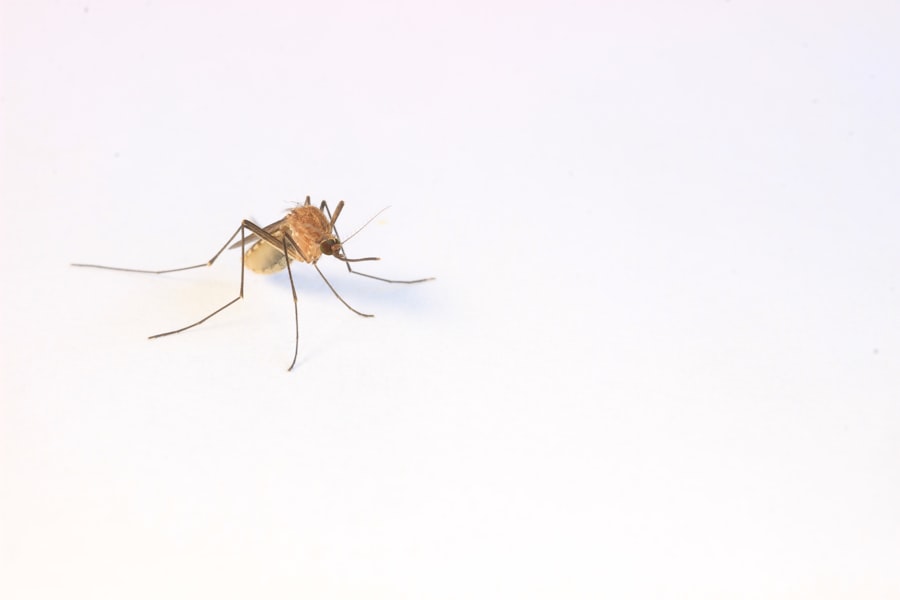
Physical Barriers and Insecticides
One widely used strategy involves insecticide-treated bed nets (ITNs), which provide a physical barrier against mosquito bites while also delivering insecticides that kill or repel mosquitoes.
Indoor Residual Spraying
In addition to ITNs, indoor residual spraying (IRS) is another effective method for controlling Anopheles gambiae populations. This technique involves applying insecticides to the interior walls of homes where mosquitoes are likely to rest after feeding.
Challenges and Adaptation
IRS can provide long-lasting protection against malaria transmission by targeting adult mosquitoes before they have a chance to lay eggs or transmit parasites. However, the emergence of insecticide resistance among Anopheles gambiae populations poses a significant challenge to these control strategies, necessitating ongoing monitoring and adaptation of insecticide use.
Research and advancements in understanding Anopheles gambiae
Research on Anopheles gambiae has advanced significantly over the past few decades, leading to a deeper understanding of its biology, behavior, and interactions with pathogens. Molecular techniques have enabled scientists to study the genetic makeup of different populations, revealing insights into their adaptability and resistance mechanisms. For instance, studies have identified specific genes associated with insecticide resistance, providing valuable information for developing new control strategies.
Moreover, advancements in genomic technologies have facilitated research into the interactions between Anopheles gambiae and the Plasmodium parasite. Understanding how the mosquito’s immune system responds to infection can inform strategies aimed at disrupting transmission cycles. For example, researchers are exploring genetic modifications that could render mosquitoes incapable of transmitting malaria parasites or enhance their natural defenses against infection.
These innovative approaches hold promise for future vector control efforts.
The future of combating Anopheles gambiae and malaria transmission
The future of combating Anopheles gambiae and reducing malaria transmission will likely involve a combination of traditional vector control methods and innovative technologies. As insecticide resistance continues to challenge existing strategies, there is an urgent need for new tools that can effectively target mosquito populations without compromising public health efforts. This may include developing novel insecticides with different modes of action or employing biological control methods such as introducing natural predators or pathogens that specifically target Anopheles gambiae.
Additionally, community engagement and education will play a crucial role in the success of malaria control programs. Empowering local communities with knowledge about prevention measures and encouraging participation in vector control initiatives can enhance the effectiveness of interventions. Furthermore, ongoing research into the ecology and behavior of Anopheles gambiae will be essential for adapting strategies to changing environmental conditions and emerging challenges.
In conclusion, addressing the threat posed by Anopheles gambiae requires a comprehensive understanding of its biology and behavior alongside innovative approaches to vector control. As global health initiatives continue to evolve, collaboration among researchers, public health officials, and communities will be vital in reducing the burden of malaria and improving health outcomes in affected regions.
An interesting related article to the mosquito Anopheles gambiae can be found on Animal Kingdom’s website. The article discusses the various species of mosquitoes and their impact on human health. It delves into the biology and behavior of these insects, shedding light on how they transmit diseases such as malaria. To learn more about this topic, you can visit Animal Kingdom’s About Us page.
FAQs
What is Anopheles gambiae?
Anopheles gambiae is a species of mosquito that is known for being a major carrier of malaria in sub-Saharan Africa.
What is the habitat of Anopheles gambiae?
Anopheles gambiae mosquitoes are commonly found in areas with standing water, such as swamps, rice fields, and other bodies of water with slow-moving or stagnant water.
How does Anopheles gambiae transmit malaria?
Anopheles gambiae mosquitoes transmit malaria by biting humans and injecting the malaria parasite into the bloodstream. When an infected mosquito bites a person, the parasite is then transmitted to the person’s blood.
What are the characteristics of Anopheles gambiae?
Anopheles gambiae mosquitoes are typically small, dark-colored mosquitoes with a preference for feeding on humans. They are most active during the night and early morning.
How can Anopheles gambiae be controlled?
Controlling Anopheles gambiae populations involves measures such as eliminating standing water, using insecticide-treated bed nets, and indoor residual spraying to reduce mosquito populations and prevent the spread of malaria.