
The Incredible Pistol Shrimp: Nature’s Tiny Powerhouse
The pistol shrimp, belonging to the family Alpheidae, is a fascinating marine creature that has captured the attention of both scientists and enthusiasts alike. These small crustaceans, often measuring just a few centimeters in length, are renowned for their remarkable adaptations and unique behaviors. Found in warm coastal waters around the world, particularly in coral reefs and mangrove habitats, pistol shrimp are not only intriguing due to their physical characteristics but also because of their complex social structures and interactions with other marine species.
Their vibrant colors and distinctive features make them a subject of interest for marine biologists and aquarists, while their ecological roles highlight the importance of biodiversity in marine environments. Pistol shrimp are often recognized by their asymmetrical claws, with one claw significantly larger than the other. This oversized claw is not merely for show; it serves as a powerful weapon and tool for communication.
The shrimp’s ability to produce a loud snapping sound by rapidly closing this claw has earned it the nickname “pistol shrimp.” This sound can reach levels of up to 210 decibels, making it one of the loudest sounds produced by any marine animal. The combination of their striking appearance, unique behaviors, and ecological significance makes the pistol shrimp a captivating subject for study and observation.
Key Takeaways
- The pistol shrimp is a small but fascinating crustacean known for its unique snapping claw and important role in the ecosystem.
- The pistol shrimp’s anatomy and behavior, including its symbiotic relationship with the goby fish, make it a remarkable creature in the animal kingdom.
- The snapping claw of the pistol shrimp is a powerful weapon that can stun or even kill prey with its high-speed snap and resulting shockwave.
- The impact of the pistol shrimp’s snapping claw extends to its ability to create cavitation bubbles and contribute to the underwater soundscapes.
- The pistol shrimp plays a crucial role in the ecosystem as a predator and a source of food for other marine animals, contributing to the balance of the underwater world.
Anatomy and Behavior of the Pistol Shrimp
The anatomy of the pistol shrimp is a marvel of evolutionary adaptation. Their bodies are typically elongated and flattened, allowing them to navigate through their complex habitats with ease. The most striking feature is the asymmetrical claws; the larger claw, known as the snapping claw, is equipped with a specialized structure that enables it to create a cavitation bubble when snapped shut.
This bubble collapses with a loud pop, producing both sound and a shockwave that can stun or even kill small prey. The smaller claw, while less powerful, is used for feeding and manipulation of objects in their environment. Behaviorally, pistol shrimp exhibit a range of fascinating traits that contribute to their survival.
They are known for their social structures, often forming symbiotic relationships with other marine species, such as gobies. In these partnerships, the shrimp excavate and maintain burrows while the goby acts as a lookout for predators. This mutualistic relationship enhances the survival chances of both species, showcasing the intricate connections within marine ecosystems.
Additionally, pistol shrimp communicate through a series of clicks and snaps produced by their claws, which serve various purposes including signaling danger or attracting mates.
The Pistol Shrimp’s Unique Weapon: The Snapping Claw
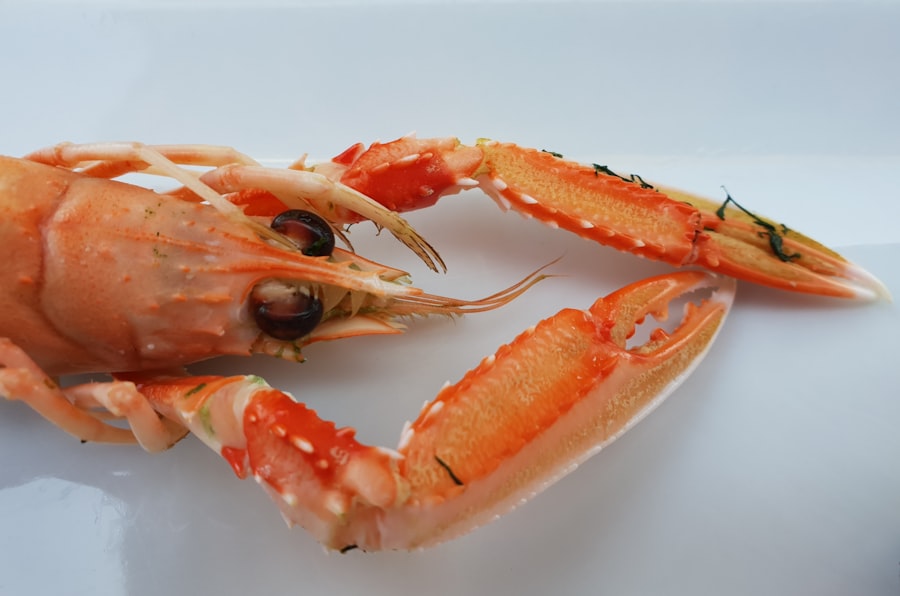
The snapping claw of the pistol shrimp is one of nature’s most extraordinary adaptations. This specialized appendage is not only larger than its counterpart but also possesses unique anatomical features that facilitate its remarkable function.
When the claw snaps shut, it creates a low-pressure area that forms a cavitation bubble; as this bubble collapses, it produces an explosive sound that can be heard from considerable distances. The implications of this snapping mechanism extend beyond mere noise production.
The shockwave generated by the collapsing bubble can incapacitate small prey, making it easier for the shrimp to capture food. This hunting strategy is particularly effective in environments where visibility is low or where prey may be hiding among rocks or coral. Furthermore, the sound produced by the snapping claw serves as a form of communication among pistol shrimp, allowing them to establish territory and attract mates.
The complexity of this behavior highlights the evolutionary advantages conferred by such a unique weapon.
The Impact of the Pistol Shrimp’s Snapping Claw
| Aspect | Measurement |
|---|---|
| Temperature Increase | 4,700 degrees Celsius |
| Sound Production | 210 decibels |
| Impact Force | 1,500 newtons |
| Water Jet Speed | 60 miles per hour |
The impact of the pistol shrimp’s snapping claw on its environment is profound and multifaceted. The loud snapping sound serves not only as a hunting tool but also as a means of communication within their social structures. Other marine organisms can hear these snaps from significant distances, which can alert them to potential threats or changes in their environment.
This auditory signal plays a crucial role in maintaining the delicate balance within marine ecosystems, as it influences predator-prey dynamics and interspecies interactions. Moreover, the physical effects of the snapping claw extend beyond sound production. The shockwave generated by the claw can disrupt sediment and dislodge small organisms from their hiding places, making them more accessible to the shrimp.
This behavior not only aids in feeding but also contributes to the overall health of the ecosystem by promoting nutrient cycling and sediment turnover. In this way, pistol shrimp act as ecosystem engineers, shaping their habitats and influencing the distribution of other marine species.
The Pistol Shrimp’s Role in the Ecosystem
Pistol shrimp play an essential role in maintaining the health and balance of marine ecosystems. Their burrowing activities create habitats for various organisms, including fish and invertebrates that seek refuge from predators. These burrows provide shelter and breeding grounds for numerous species, contributing to biodiversity in coastal environments.
By aerating sediments through their digging activities, pistol shrimp also enhance nutrient availability for other organisms living in or near these habitats. In addition to their role as habitat creators, pistol shrimp are integral components of food webs within their ecosystems. They serve as prey for larger fish and other predators, linking different trophic levels in marine environments.
Their unique hunting strategies and social behaviors further enrich the complexity of interactions among species in coral reefs and mangrove ecosystems. As such, understanding the ecological significance of pistol shrimp is crucial for conservation efforts aimed at preserving marine biodiversity.
The Pistol Shrimp’s Adaptations for Survival
Survival in diverse marine environments requires a range of adaptations, and pistol shrimp have evolved several remarkable traits that enhance their chances of thriving in various conditions. One key adaptation is their ability to camouflage themselves within their surroundings. Many species possess coloration that allows them to blend seamlessly with coral reefs or sandy substrates, providing protection from predators while they hunt or rest.
Another significant adaptation is their social behavior, particularly in relation to symbiotic relationships with gobies. This partnership not only increases individual survival rates but also enhances reproductive success by providing safe nesting sites for both species. Additionally, pistol shrimp have developed acute sensory capabilities that allow them to detect vibrations and changes in water pressure, enabling them to respond quickly to potential threats or opportunities in their environment.
Human Interest in the Pistol Shrimp
The unique characteristics and behaviors of pistol shrimp have sparked considerable interest among researchers and marine enthusiasts alike. Their extraordinary snapping claws have been studied extensively for insights into biomechanics and acoustics, with scientists exploring how these adaptations can inspire innovations in technology. For instance, researchers have investigated how the principles behind cavitation bubbles could be applied in fields such as underwater acoustics or even medical ultrasound technologies.
Aquarists also find pistol shrimp appealing due to their vibrant colors and engaging behaviors. Many species are kept in home aquariums, where they contribute to the dynamic interactions within reef tanks. Their fascinating social structures and interactions with other tank inhabitants provide endless opportunities for observation and study.
As public interest in marine life continues to grow, pistol shrimp serve as ambassadors for broader conservation messages about the importance of protecting marine ecosystems.
Conservation Efforts for the Pistol Shrimp
Despite their resilience and adaptability, pistol shrimp face threats from habitat destruction, pollution, and climate change. Coastal development projects often lead to the degradation of critical habitats such as mangroves and coral reefs, which are essential for their survival. Additionally, pollution from agricultural runoff and plastic waste poses significant risks to these delicate ecosystems.
Conservation efforts aimed at protecting pistol shrimp populations focus on habitat restoration and sustainable management practices. Initiatives to rehabilitate mangrove forests and coral reefs not only benefit pistol shrimp but also support a myriad of other marine species that rely on these habitats for survival. Public awareness campaigns highlighting the ecological importance of pistol shrimp can foster greater appreciation for marine biodiversity and encourage responsible stewardship of coastal environments.
In conclusion, understanding the biology, behavior, and ecological significance of pistol shrimp underscores their importance within marine ecosystems. As researchers continue to explore their unique adaptations and interactions with other species, it becomes increasingly clear that these small crustaceans play vital roles in maintaining healthy ocean environments. Conservation efforts aimed at protecting their habitats will be crucial for ensuring that future generations can appreciate these remarkable creatures and the intricate ecosystems they inhabit.
The Pistol Shrimp, scientifically known as Alpheus heterochaelis, is a fascinating marine creature renowned for its unique ability to produce a loud snapping sound with its specialized claw. This sound is not just for show; it serves as a powerful tool for hunting and communication. For those interested in learning more about the intriguing behaviors and adaptations of marine life, a related article on the Pistol Shrimp can be found on the Animal Kingdom website. You can explore more about this captivating species by visiting their homepage, where a wealth of information on various animal species is available.
FAQs
What is a pistol shrimp?
A pistol shrimp, also known as Alpheus heterochaelis, is a small shrimp species found in the coastal waters of the Atlantic Ocean and the Gulf of Mexico.
What makes the pistol shrimp unique?
The pistol shrimp is known for its distinctive ability to create a loud snapping sound by rapidly closing its specialized claw. This sound is one of the loudest in the ocean and is used for communication, hunting, and defense.
What is the purpose of the pistol shrimp’s snapping sound?
The snapping sound produced by the pistol shrimp is used to stun or kill prey, communicate with other shrimp, and defend its territory from predators.
What is the pistol shrimp’s relationship with the goby fish?
The pistol shrimp forms a symbiotic relationship with the goby fish, where the shrimp provides a burrow for the goby to live in, and the goby acts as a lookout for the shrimp, warning it of potential threats.
What is the diet of the pistol shrimp?
The pistol shrimp primarily feeds on small fish, crustaceans, and other invertebrates, which it stuns or kills using its powerful snapping claw.
How does the pistol shrimp reproduce?
The pistol shrimp reproduces through internal fertilization, with the female carrying the fertilized eggs until they hatch into larvae. The larvae then go through several stages of development before reaching adulthood.