
The Amazing Cleaner Shrimp: Lysmata wurdemanni
Lysmata wurdemanni, commonly known as the peppermint shrimp, is a fascinating species of marine crustacean belonging to the family Hippolytidae. This small shrimp is renowned for its vibrant coloration and unique symbiotic relationships with various marine organisms. Found primarily in the warm waters of the western Atlantic Ocean, particularly in the Caribbean Sea, Lysmata wurdemanni has garnered attention not only for its striking appearance but also for its ecological role as a cleaner shrimp.
These shrimp are often observed in coral reefs, where they engage in cleaning behaviors that benefit both themselves and other marine species. The peppermint shrimp is characterized by its distinctive reddish-brown body adorned with white stripes, which serve as a form of camouflage among the corals and rocks of its habitat. This species has become a popular choice for marine aquarists due to its captivating looks and beneficial cleaning habits.
As a cleaner shrimp, Lysmata wurdemanni plays a crucial role in maintaining the health of reef ecosystems by removing parasites and dead tissue from fish and other marine animals. This mutualistic relationship not only aids in the survival of the shrimp but also enhances the overall well-being of the reef community.
Key Takeaways
- Lysmata wurdemanni, also known as the cleaner shrimp, is a small, colorful crustacean found in marine environments.
- The cleaner shrimp has a transparent body with red, white, and sometimes blue markings, and long, white antennae.
- These shrimp are commonly found in the Western Atlantic Ocean, from the coast of the United States to the Caribbean and Gulf of Mexico.
- Cleaner shrimp are omnivorous and feed on parasites, dead tissue, and algae, providing a cleaning service to other marine species.
- The reproduction of cleaner shrimp involves a complex mating ritual, and the larvae go through several stages before reaching adulthood.
Physical characteristics of the cleaner shrimp
Lysmata wurdemanni exhibits several notable physical characteristics that distinguish it from other shrimp species. Typically, these shrimp reach an average length of about 2 to 3 inches (5 to 7.5 cm), making them relatively small compared to other marine crustaceans. Their elongated bodies are segmented into distinct regions, including the cephalothorax and abdomen, which contribute to their agile swimming abilities.
The carapace is smooth and glossy, providing a sleek appearance that is both functional and aesthetically pleasing. One of the most striking features of Lysmata wurdemanni is its coloration. The shrimp’s body is primarily a reddish-brown hue, interspersed with white stripes that run longitudinally along its sides.
These stripes not only enhance its visual appeal but also serve as a form of camouflage, allowing the shrimp to blend seamlessly into its coral reef environment. Additionally, the shrimp possesses long, slender antennae that can be several times the length of its body, which are used for sensing their surroundings and detecting potential threats or food sources. The combination of these physical traits makes Lysmata wurdemanni an adept survivor in the complex and competitive ecosystem of coral reefs.
Habitat and distribution of the cleaner shrimp
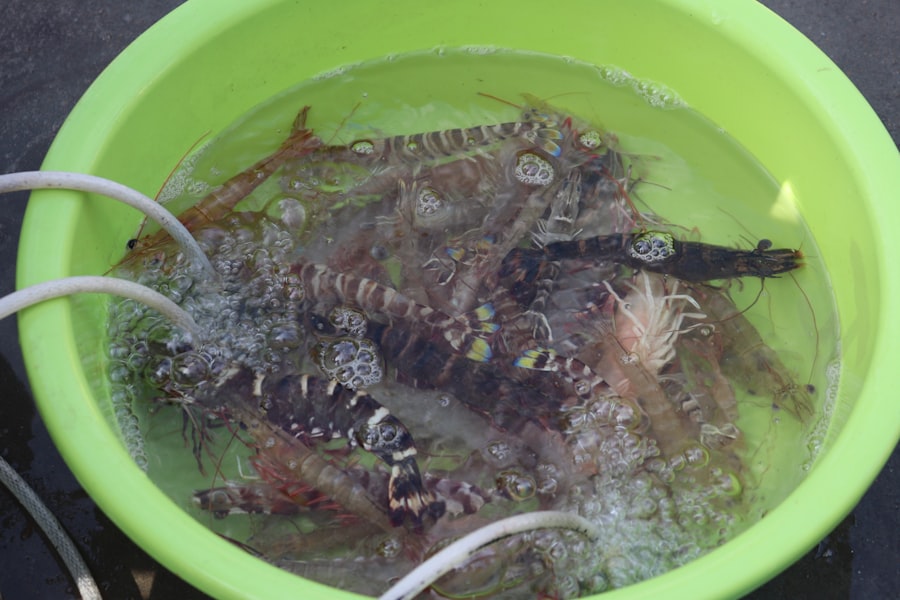
Lysmata wurdemanni is predominantly found in shallow marine environments, particularly in coral reefs, seagrass beds, and rocky substrates. Its preferred habitat typically ranges from depths of 1 to 30 meters (3 to 100 feet), where it can find ample shelter among corals and crevices. The presence of live rock and coral formations is essential for this species, as these structures provide both protection from predators and opportunities for feeding on parasites found on larger fish.
Geographically, Lysmata wurdemanni is distributed throughout the western Atlantic Ocean, with a significant presence in the Caribbean Sea. Its range extends from Florida’s southeastern coast down through the Bahamas and into the Gulf of Mexico, as well as along the coasts of Central America and parts of South America. The shrimp’s adaptability to various environmental conditions within these regions allows it to thrive in diverse habitats, from mangroves to coral reefs.
This wide distribution underscores the importance of preserving these ecosystems, as they are critical for maintaining healthy populations of Lysmata wurdemanni.
Feeding habits and behavior
| Feeding Habits and Behavior | Metrics |
|---|---|
| Prey Capture | Success rate, hunting time |
| Diet | Types of food consumed, frequency of feeding |
| Foraging Behavior | Search time, feeding locations |
| Feeding Interactions | Competition, cooperation |
The feeding habits of Lysmata wurdemanni are closely tied to its role as a cleaner shrimp within its ecosystem. These shrimp are opportunistic feeders that primarily consume parasites, dead tissue, and detritus found on larger fish and other marine organisms. By engaging in cleaning behaviors, they provide a valuable service to their clients—typically larger fish species—by removing harmful parasites and promoting overall health.
This mutualistic relationship benefits both parties; while the fish receive a cleaning service that enhances their well-being, the shrimp gain access to a reliable food source. In addition to their cleaning activities, Lysmata wurdemanni also scavenges for food in their environment. They are known to feed on small invertebrates, algae, and organic matter that settles on the substrate.
Their feeding behavior is characterized by quick movements and agile swimming, allowing them to navigate through complex reef structures in search of food. The shrimp often exhibit social behaviors during feeding, as they may congregate around larger fish or other potential clients, taking turns to clean or scavenge. This social aspect of their feeding habits highlights their adaptability and resourcefulness in a competitive marine environment.
Reproduction and life cycle of the cleaner shrimp
The reproductive strategy of Lysmata wurdemanni is fascinating and involves complex behaviors that ensure successful mating and offspring development. These shrimp are known to be protandrous hermaphrodites, meaning they initially develop as males before transitioning into females later in life. This reproductive strategy allows for greater flexibility in mating opportunities within their populations, as males can compete for females when they are abundant or change sex if there is a shortage of males.
After successful mating, females carry fertilized eggs in a specialized brood pouch located beneath their abdomen. The eggs are incubated for several weeks before hatching into free-swimming larvae known as nauplii.
These larvae undergo several molts before settling into their adult form, a process that can take several weeks to months depending on environmental factors such as temperature and food availability. The early life stages of Lysmata wurdemanni are highly vulnerable to predation; thus, successful recruitment into adult populations is crucial for maintaining stable populations within their habitats.
Importance of cleaner shrimp in the ecosystem
Lysmata wurdemanni plays an integral role in maintaining the health and balance of coral reef ecosystems through its cleaning behaviors. By removing parasites and dead tissue from larger fish species, these shrimp contribute significantly to the overall health of their clients. Healthy fish populations are essential for maintaining biodiversity within reef ecosystems, as they help control algal growth and promote coral health through grazing activities.
Moreover, cleaner shrimp like Lysmata wurdemanni serve as indicators of ecosystem health. Their presence often signifies a balanced environment with adequate food resources and suitable habitat conditions. Conversely, declines in cleaner shrimp populations can indicate underlying issues within the ecosystem, such as overfishing or habitat degradation.
As such, these shrimp are not only vital for their immediate ecological roles but also serve as important bioindicators for researchers monitoring reef health.
Interaction with other marine species
The interactions between Lysmata wurdemanni and other marine species are diverse and multifaceted. As cleaner shrimp, they engage in mutualistic relationships with various fish species that seek their cleaning services. Fish such as wrasses, groupers, and parrotfish frequently visit cleaning stations where these shrimp reside, allowing them to benefit from parasite removal while providing a food source for the shrimp.
In addition to their interactions with fish, Lysmata wurdemanni also coexists with other marine invertebrates within their habitat. They often share space with other cleaner organisms like gobies or other species of cleaner shrimp, creating a dynamic community where multiple species can benefit from similar ecological roles. These interactions highlight the interconnectedness of marine ecosystems and underscore the importance of preserving biodiversity within coral reefs.
Conservation status and threats to the cleaner shrimp population
Despite their ecological significance, populations of Lysmata wurdemanni face several threats that could impact their survival in the wild. Habitat degradation due to human activities such as coastal development, pollution, and climate change poses significant risks to coral reef ecosystems where these shrimp thrive. Coral bleaching events caused by rising sea temperatures can lead to declines in coral cover, reducing available habitat for cleaner shrimp.
Overfishing is another critical threat affecting Lysmata wurdemanni populations. As demand for aquarium species increases, targeted fishing practices can lead to unsustainable harvest levels that deplete local populations. Additionally, bycatch from fishing operations can inadvertently harm cleaner shrimp populations as they become entangled in nets or traps designed for other species.
Conservation efforts aimed at protecting coral reef habitats and regulating fishing practices are essential for ensuring the long-term survival of Lysmata wurdemanni and other marine organisms that depend on these ecosystems. Establishing marine protected areas (MPAs) can help safeguard critical habitats while promoting sustainable fishing practices that minimize impacts on local populations. By prioritizing conservation initiatives that address these threats, we can work towards preserving not only Lysmata wurdemanni but also the intricate web of life within our oceans.
The Cleaner Shrimp, scientifically known as Lysmata wurdemanni, is a fascinating marine creature renowned for its symbiotic relationship with various fish species, where it helps maintain the health of its hosts by removing parasites. For those interested in learning more about the diverse and intricate behaviors of marine life, you might find the resources available on Animal Kingdom’s website particularly insightful. Their comprehensive coverage of marine species and their ecosystems can provide a deeper understanding of the roles these creatures play in their habitats.