
Unveiling the Agile Tiger Beetle: A Fascinating Predator
The Agile Tiger Beetle, scientifically known as Cicindela campestris, is a remarkable insect that captures the fascination of entomologists and nature enthusiasts alike. This species is part of the Cicindelidae family, which encompasses a diverse group of predatory beetles known for their striking appearance and impressive speed. Agile Tiger Beetles are often found in sandy or loose soil environments, where they exhibit their characteristic hunting prowess.
Their vibrant coloration and unique behaviors make them a subject of interest in ecological studies and biodiversity assessments. The Agile Tiger Beetle is not just another insect; it represents a complex interplay of evolutionary adaptations that have allowed it to thrive in various habitats. With its keen eyesight and rapid movement, this beetle has evolved to become an efficient predator, preying on smaller insects and other invertebrates.
The study of this beetle provides insights into the ecological roles of predatory insects and their contributions to maintaining the balance within ecosystems. As we delve deeper into the physical characteristics, behaviors, and ecological significance of the Agile Tiger Beetle, we uncover the intricate details that make this species a fascinating subject of study.
Key Takeaways
- The Agile Tiger Beetle is known for its remarkable speed and agility, making it a skilled predator.
- It has distinctive physical traits, including bright coloration and long legs adapted for rapid movement.
- This beetle hunts primarily by chasing down prey, relying on its keen eyesight and quick reflexes.
- It inhabits diverse environments, often favoring sandy or open areas across various regions.
- Conservation efforts focus on protecting its habitats and understanding its ecological role to ensure its survival.
Physical Characteristics of the Agile Tiger Beetle
The Agile Tiger Beetle is easily recognizable due to its striking physical features. Typically, adults measure between 10 to 15 millimeters in length, showcasing a slender and elongated body that is well-suited for rapid movement. The exoskeleton is glossy and often exhibits a vibrant green or metallic blue hue, which can vary depending on the individual and environmental factors.
This iridescence not only serves as a form of camouflage against predators but also plays a role in attracting mates during the breeding season. One of the most notable aspects of the Agile Tiger Beetle’s anatomy is its large, bulging eyes, which provide exceptional vision. These compound eyes are adapted for detecting movement, allowing the beetle to spot potential prey from a distance.
Additionally, the long, slender legs are designed for speed; they enable the beetle to sprint across sandy terrains with remarkable agility. The forelegs are equipped with sharp claws that aid in capturing prey, while the hind legs provide powerful propulsion during rapid escapes from threats. This combination of physical traits makes the Agile Tiger Beetle one of the fastest insects on land, capable of reaching speeds up to 5 miles per hour.
Hunting and Feeding Behavior
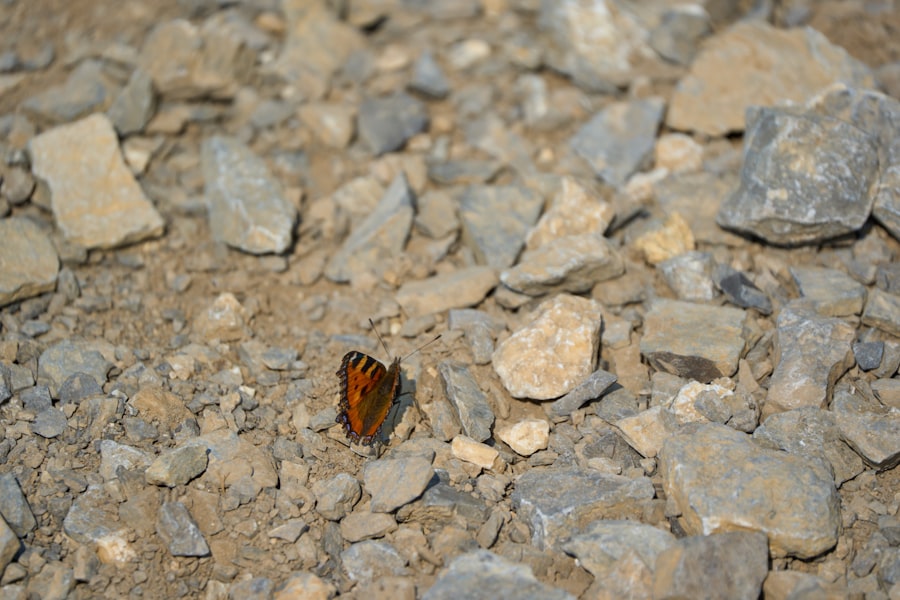
The hunting behavior of the Agile Tiger Beetle is a testament to its predatory prowess. These beetles are primarily diurnal, actively hunting during daylight hours when their vision is at its peak. They employ a sit-and-wait strategy, often positioning themselves on elevated surfaces or open ground where they can easily spot passing prey.
Once a potential target is identified, the beetle launches into a high-speed chase, using its exceptional agility to close the distance rapidly. The diet of the Agile Tiger Beetle primarily consists of small insects such as ants, aphids, and other soft-bodied invertebrates. Upon capturing its prey, the beetle employs its powerful mandibles to deliver a swift bite, immobilizing the victim before consumption.
This predatory behavior not only highlights the beetle’s role as a natural pest controller but also underscores its importance in maintaining ecological balance. Observations have shown that populations of Agile Tiger Beetles can significantly reduce pest populations in their habitats, making them valuable allies in agricultural ecosystems.
Habitat and Distribution
Agile Tiger Beetles are typically found in open habitats characterized by sandy or loose soils, which facilitate their burrowing and hunting activities. They thrive in environments such as grasslands, coastal dunes, and even disturbed areas like roadsides and construction sites. These habitats provide ample opportunities for hunting and breeding while offering protection from larger predators.
Geographically, the distribution of the Agile Tiger Beetle spans across various regions in Europe and parts of Asia. In Europe, they are commonly found in countries such as Germany, France, and the United Kingdom. Their presence is often associated with specific microhabitats that offer suitable conditions for their survival.
For instance, populations may be more abundant in areas with abundant sunlight and minimal vegetation cover, which allows them to navigate their environment effectively. Understanding their habitat preferences is crucial for conservation efforts aimed at preserving their populations and ensuring their continued role in local ecosystems.
Life Cycle and Reproduction
| Metric | Value | Details |
|---|---|---|
| Scientific Name | Cicindelinae | Subfamily of Carabidae family |
| Average Length | 10-20 mm | Varies by species |
| Speed | Up to 9 km/h (5.6 mph) | One of the fastest running insects |
| Habitat | Sandy or open areas | Commonly found near rivers, beaches, and trails |
| Diet | Carnivorous | Preys on small insects and arthropods |
| Vision | Excellent | Large compound eyes for spotting prey |
| Number of Species | ~2,600 | Worldwide distribution |
| Life Cycle | Complete metamorphosis | Egg, larva, pupa, adult stages |
The life cycle of the Agile Tiger Beetle is marked by distinct stages: egg, larva, pupa, and adult. Mating typically occurs in late spring to early summer when environmental conditions are favorable. Females lay eggs in sandy soil or loose substrates, where they can remain protected from predators and environmental extremes.
The eggs hatch after several weeks, giving rise to larvae that exhibit a predatory lifestyle similar to that of adults. Larvae are known for their unique burrowing behavior; they create small vertical tunnels in the soil where they reside until they are ready to pupate. This stage can last several months, depending on environmental conditions such as temperature and moisture levels.
Once fully developed, larvae emerge from their burrows to pupate in a nearby sheltered area before transforming into adults. The entire life cycle can take anywhere from one to two years to complete, with adults typically living for several months during which they actively hunt and reproduce.
Adaptations for Speed and Agility

The Agile Tiger Beetle’s adaptations for speed and agility are among its most remarkable features. Its streamlined body shape reduces air resistance during high-speed chases, allowing it to maneuver swiftly across various terrains. The long legs not only provide stability but also enhance its ability to accelerate rapidly when pursuing prey or escaping threats.
Additionally, the beetle’s compound eyes are finely tuned for detecting motion at great distances. This acute vision enables it to track fast-moving prey while simultaneously scanning for potential dangers in its environment. The combination of these adaptations allows the Agile Tiger Beetle to excel as a predator in its habitat, showcasing an evolutionary design that prioritizes both speed and efficiency.
Another fascinating adaptation is its ability to perform quick directional changes while running at high speeds. This agility is crucial when navigating through complex environments filled with obstacles such as rocks or vegetation. The beetle’s nervous system is highly responsive, allowing it to react almost instantaneously to changes in its surroundings.
Such adaptations not only enhance its hunting success but also play a vital role in avoiding predation from larger animals.
Interactions with Humans and Conservation Efforts
The Agile Tiger Beetle has garnered attention not only for its ecological significance but also for its interactions with humans. In agricultural settings, these beetles can be beneficial by controlling pest populations that threaten crops. Farmers often appreciate their presence as natural pest controllers; however, habitat destruction due to urbanization and agricultural expansion poses significant threats to their populations.
Initiatives include creating awareness about the importance of maintaining biodiversity within ecosystems and implementing measures to reduce pesticide use that could harm beneficial insect populations. Additionally, habitat restoration projects aim to rehabilitate areas that have been degraded by human activity, providing suitable environments for these beetles to thrive.
Research plays a crucial role in conservation strategies as well; understanding population dynamics and habitat requirements helps inform management practices that can mitigate threats to the Agile Tiger Beetle’s survival. By fostering collaboration between scientists, conservationists, and local communities, efforts can be made to ensure that this fascinating species continues to play its vital role within ecosystems.
The Fascinating Nature of the Agile Tiger Beetle
The Agile Tiger Beetle stands out as an extraordinary example of nature’s ingenuity in adapting to specific ecological niches.
As we continue to explore the complexities of biodiversity, understanding species like the Agile Tiger Beetle becomes increasingly important for conservation efforts aimed at preserving our planet’s rich natural heritage.
Through ongoing research and conservation initiatives, we can ensure that future generations will have the opportunity to appreciate these remarkable insects and their contributions to ecological balance. The Agile Tiger Beetle serves as a reminder of the delicate interplay between species and their environments—a testament to nature’s resilience and adaptability in an ever-changing world.
Tiger beetles, belonging to the subfamily Cicindelinae, are fascinating insects known for their speed and predatory behavior. For those interested in learning more about these remarkable creatures and their ecological significance, you can explore a related article on the Animal Kingdom website. This article delves into the various species of tiger beetles, their habitats, and their unique adaptations. To read more, visit this link.
FAQs
What is a Tiger Beetle?
Tiger Beetles are a group of beetles belonging to the subfamily Cicindelinae. They are known for their aggressive predatory habits and fast running speed.
Where are Tiger Beetles commonly found?
Tiger Beetles are found worldwide, with species inhabiting a variety of environments including sandy beaches, riverbanks, forests, and grasslands.
What do Tiger Beetles eat?
Tiger Beetles are carnivorous and primarily feed on other small insects and arthropods, which they catch using their speed and strong mandibles.
How fast can Tiger Beetles run?
Tiger Beetles are among the fastest running insects, capable of speeds up to 5.6 miles per hour (9 km/h), which helps them catch prey and evade predators.
What are the distinctive features of Tiger Beetles?
Tiger Beetles typically have large, prominent eyes, long legs, and brightly colored or metallic bodies. Their mandibles are large and powerful, adapted for hunting.
Are Tiger Beetles harmful to humans?
No, Tiger Beetles are not harmful to humans. They may bite if handled roughly, but their bite is not venomous or dangerous.
How do Tiger Beetles reproduce?
Female Tiger Beetles lay eggs in soil or sand. The larvae live in burrows and are also predatory, waiting to ambush passing prey.
Why are Tiger Beetles important in the ecosystem?
Tiger Beetles help control populations of other insects, acting as natural pest controllers. They also serve as indicators of environmental health.
Can Tiger Beetles fly?
Yes, most Tiger Beetle species have wings and can fly, although they are more commonly seen running on the ground.
Are Tiger Beetles endangered?
Some species of Tiger Beetles are considered threatened or endangered due to habitat loss and environmental changes, but many species remain widespread and common.