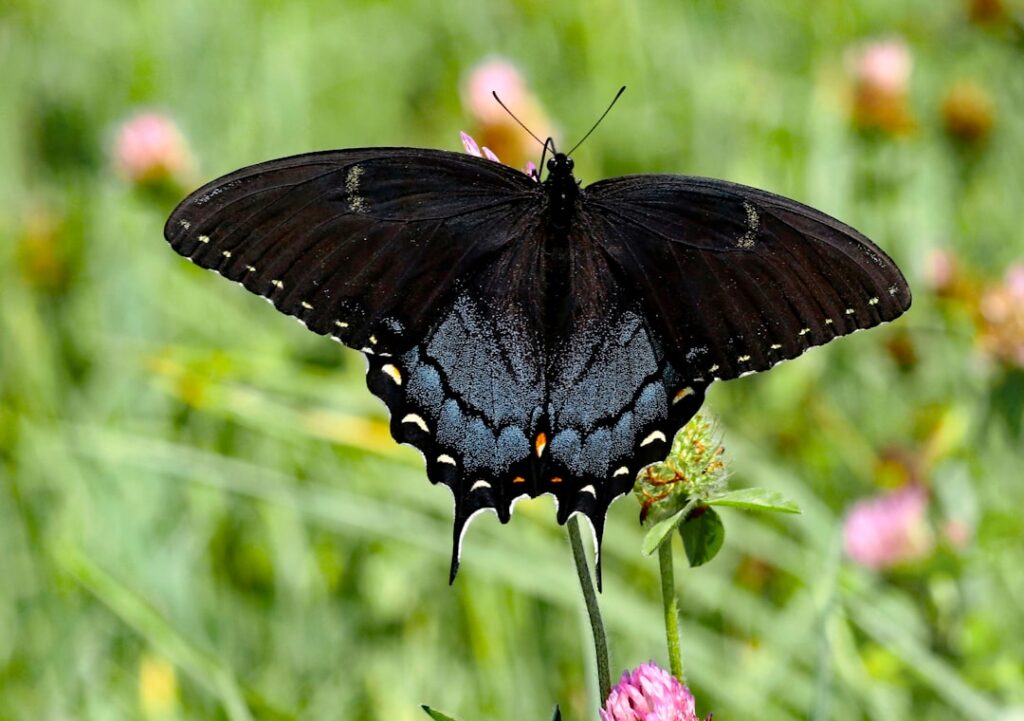
Discover the Beauty of the Swallowtail Butterfly
The Swallowtail butterfly family (Papilionidae) comprises over 550 species distributed across all continents except Antarctica. These butterflies are characterized by distinctive tail-like projections on their hindwings, from which their common name derives. The family exhibits considerable diversity in size, coloration, and habitat preferences, ranging from tropical rainforests to temperate gardens and meadows.
Swallowtail butterflies function as important pollinators in their respective ecosystems. Adults feed primarily on nectar from flowers, transferring pollen between plants during foraging activities. This pollination service supports plant reproduction and contributes to ecosystem stability and biodiversity maintenance.
Their presence often serves as an indicator of environmental health. The species follows a complete metamorphosis life cycle consisting of four distinct stages: egg, larva (caterpillar), pupa (chrysalis), and adult. Each developmental stage exhibits specific morphological and behavioral adaptations suited to different ecological functions.
Larvae typically feed on specific host plants, while adults focus on nectar sources and reproduction. The duration and characteristics of each stage vary among species and are influenced by environmental factors such as temperature, humidity, and seasonal patterns.
Key Takeaways
- Swallowtail butterflies are known for their distinctive tail-like wing extensions and vibrant colors.
- They inhabit diverse environments worldwide, from forests to meadows.
- Their life cycle includes stages as egg, larva (caterpillar), pupa, and adult butterfly.
- Swallowtails play a crucial role in pollination and maintaining ecological balance.
- Conservation efforts focus on habitat protection due to threats like habitat loss and climate change.
Physical Characteristics of the Swallowtail Butterfly
Swallowtail butterflies exhibit a remarkable array of physical characteristics that set them apart from other butterfly families. One of the most striking features is their size; many species can boast wingspans ranging from 2 to 6 inches, making them some of the larger butterflies in their habitats. Their wings are adorned with vibrant colors, often featuring a combination of yellows, blues, and blacks.
For instance, the Eastern Tiger Swallowtail (Papilio glaucus) showcases a stunning yellow and black pattern that mimics the appearance of a tiger, providing both beauty and camouflage against predators. In addition to their coloration, swallowtails possess unique markings that serve various purposes. The hindwings often feature eye spots that can confuse or deter potential predators by mimicking the eyes of larger animals.
Furthermore, their tails are not just for show; they can help to distract predators during flight. When threatened, a swallowtail may flutter its wings rapidly or even drop to the ground, using its coloration and tail to mislead attackers. This combination of size, color, and behavior makes swallowtails not only visually captivating but also fascinating subjects for study in terms of evolutionary adaptation and survival strategies.
Habitats and Distribution of the Swallowtail Butterfly
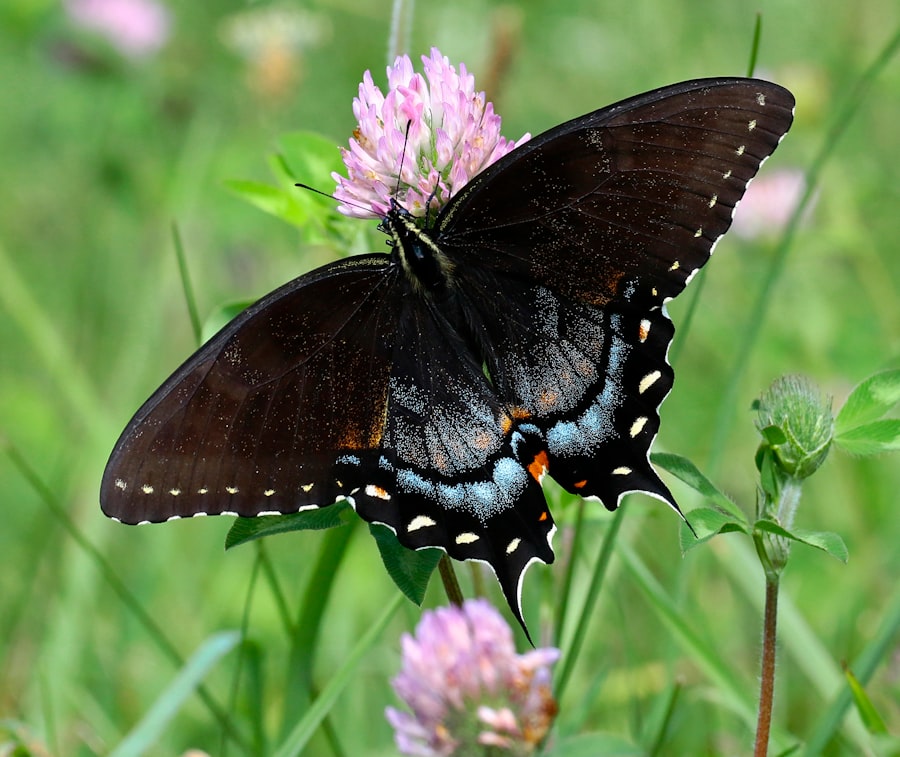
Swallowtail butterflies inhabit a wide range of environments, from lush forests to arid deserts, demonstrating their remarkable adaptability. They are commonly found in temperate regions but can also thrive in tropical climates. For example, the Giant Swallowtail (Papilio cresphontes) is prevalent in southern parts of North America and can be spotted in gardens and citrus groves, where its larvae feed on plants like rue and citrus trees.
In contrast, species such as the Zebra Swallowtail (Eurytides marcellus) prefer areas near rivers and streams, where their host plants thrive in moist conditions. The distribution of swallowtail butterflies is influenced by several factors, including climate, availability of host plants for larvae, and seasonal changes. Many species exhibit migratory behavior; for instance, the Eastern Tiger Swallowtail can be found across eastern North America during warmer months but may retreat to more sheltered areas as temperatures drop.
This seasonal movement not only aids in survival but also allows for genetic exchange between populations, contributing to the overall health of swallowtail species. Understanding their habitats is crucial for conservation efforts aimed at preserving these beautiful insects and the ecosystems they inhabit.
Life Cycle of the Swallowtail Butterfly
The life cycle of the swallowtail butterfly is a captivating journey that unfolds in four distinct stages: egg, larva (caterpillar), pupa (chrysalis), and adult butterfly. The process begins when a female butterfly lays her eggs on specific host plants that will provide nourishment for her offspring once they hatch. These eggs are often laid in clusters or singly on the underside of leaves to protect them from predators.
Depending on the species and environmental conditions, the eggs typically hatch within a week or two. Once hatched, the larvae emerge as caterpillars, which are often strikingly different in appearance from their adult forms. Swallowtail caterpillars are known for their unique coloration and patterns that can mimic bird droppings or resemble twigs, providing effective camouflage against predators.
As they grow, they undergo several molts, shedding their skin multiple times before entering the pupal stage.
This metamorphosis can take anywhere from a few days to several weeks, depending on environmental factors such as temperature and humidity.
Importance of the Swallowtail Butterfly in the Ecosystem
| Metric | Data |
|---|---|
| Scientific Name | Papilio machaon |
| Common Name | Swallowtail Butterfly |
| Wingspan | 65-86 mm |
| Habitat | Meadows, gardens, and open countryside |
| Distribution | Europe, Asia, and North America |
| Flight Period | April to September |
| Larval Food Plants | Carrot, fennel, parsley, and other Apiaceae |
| Conservation Status | Least Concern |
Swallowtail butterflies play an integral role in maintaining ecological balance through their activities as pollinators. As they feed on nectar from various flowering plants, they inadvertently transfer pollen from one bloom to another, facilitating plant reproduction. This process is vital for many crops and wild plants that rely on insect pollination for fruit and seed production.
For instance, swallowtails are known to visit flowers such as milkweed, coneflowers, and various herbs, contributing to the health and diversity of plant communities. Moreover, swallowtails serve as indicators of environmental health. Their presence often signifies a thriving ecosystem with abundant flora and clean air quality.
Conversely, declines in swallowtail populations can signal ecological distress due to habitat loss or pesticide use. By monitoring these butterflies and their habitats, conservationists can gain insights into broader environmental changes and take action to protect vulnerable ecosystems.
Threats and Conservation Efforts for the Swallowtail Butterfly
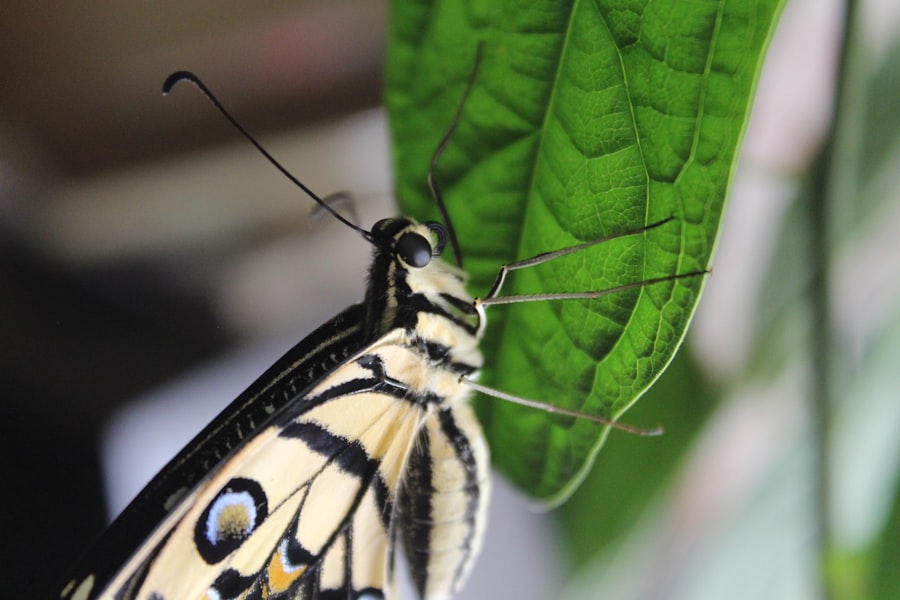
Despite their resilience and adaptability, swallowtail butterflies face numerous threats that jeopardize their populations. Habitat loss due to urbanization, agricultural expansion, and deforestation poses significant challenges for these insects. As natural habitats are converted into developed land or monoculture farms, the availability of host plants diminishes, leading to declines in caterpillar populations.
Additionally, pesticide use in agriculture can have detrimental effects on swallowtails at all life stages; exposure to chemicals can reduce survival rates and disrupt reproductive success. Conservation efforts aimed at protecting swallowtail butterflies are multifaceted and involve habitat restoration, public education, and research initiatives. Organizations dedicated to butterfly conservation often work to create butterfly gardens that provide essential nectar sources and host plants for larvae.
These gardens not only support local swallowtail populations but also educate communities about the importance of biodiversity and sustainable practices. Furthermore, researchers are studying swallowtail behavior and genetics to better understand their needs and develop targeted conservation strategies that address specific threats.
Attracting Swallowtail Butterflies to Your Garden
Creating an inviting environment for swallowtail butterflies in your garden can be both rewarding and beneficial for local ecosystems. To attract these beautiful insects, it is essential to plant a variety of nectar-rich flowers that bloom throughout the growing season. Species such as milkweed, coneflowers, lantana, and butterfly bush are particularly appealing to swallowtails due to their abundant nectar supply.
Additionally, incorporating native plants into your garden design can enhance its attractiveness to local butterfly populations while supporting overall biodiversity. Providing suitable host plants for swallowtail caterpillars is equally important for fostering their life cycle within your garden. Different species of swallowtails have specific host plant preferences; for example, Eastern Tiger Swallowtails favor trees like tulip poplar and cherry while Giant Swallowtails are drawn to citrus trees and rue.
By including these plants in your garden landscape, you create a nurturing environment where caterpillars can thrive before transforming into beautiful adults. Creating a habitat that supports both adult butterflies and their larvae contributes significantly to local conservation efforts.
The Symbolism and Cultural Significance of the Swallowtail Butterfly
Throughout history and across cultures, swallowtail butterflies have held significant symbolic meaning. In many traditions, they represent transformation and renewal due to their remarkable metamorphosis from caterpillar to butterfly. This transformation resonates with themes of personal growth and change; many people view swallowtails as symbols of hope and new beginnings.
In various cultures around the world, these butterflies are associated with spiritual journeys or messages from loved ones who have passed away. In art and literature, swallowtails have been depicted as symbols of beauty and grace. Their vibrant colors have inspired countless artists who seek to capture their ephemeral nature on canvas or in poetry.
In some Native American cultures, butterflies are seen as messengers between worlds or as embodiments of joy and lightness of being. This cultural significance underscores not only the aesthetic appeal of swallowtails but also their deeper connections to human experiences and emotions. As we continue to explore our relationship with nature through these symbols, swallowtail butterflies remain enduring icons of beauty and transformation in our lives.
The Swallowtail Butterfly (Papilio machaon) is a fascinating species known for its vibrant colors and distinctive tail-like extensions on its wings. For those interested in learning more about the conservation efforts and legal considerations surrounding wildlife, you can refer to our terms of use which outline the guidelines for engaging with content related to various animal species, including the Swallowtail Butterfly.
FAQs
What is the Swallowtail Butterfly (Papilio machaon)?
The Swallowtail Butterfly, scientifically known as Papilio machaon, is a large and colorful butterfly species found across Europe, Asia, and North America. It is known for its distinctive yellow and black wing patterns and tail-like extensions on its hindwings.
What does the Swallowtail Butterfly look like?
The Swallowtail Butterfly has bright yellow wings with black tiger stripes and blue and red eye spots near the tail. The hindwings have characteristic tail-like projections, which give the butterfly its common name.
Where can Swallowtail Butterflies be found?
Swallowtail Butterflies are widely distributed across temperate regions of Europe, Asia, and North America. They inhabit meadows, gardens, grasslands, and open countryside where host plants are available.
What do Swallowtail Butterfly caterpillars feed on?
The caterpillars of Papilio machaon primarily feed on plants in the Apiaceae family, such as fennel, parsley, dill, and carrot. These host plants provide essential nutrients for their growth and development.
What is the life cycle of the Swallowtail Butterfly?
The life cycle includes four stages: egg, larva (caterpillar), pupa (chrysalis), and adult butterfly. The caterpillar stage feeds and grows before pupating, and the adult emerges to mate and lay eggs, continuing the cycle.
Are Swallowtail Butterflies endangered?
The Swallowtail Butterfly is not currently considered endangered and is relatively common in many parts of its range. However, habitat loss and pesticide use can impact local populations.
How long do Swallowtail Butterflies live?
Adult Swallowtail Butterflies typically live for about 2 to 3 weeks. Their lifespan depends on environmental conditions and availability of food sources.
Do Swallowtail Butterflies migrate?
Swallowtail Butterflies do not undertake long-distance migrations like some other butterfly species, but they may move locally in search of suitable habitats and host plants.
How can I attract Swallowtail Butterflies to my garden?
To attract Swallowtail Butterflies, plant host plants such as fennel, parsley, and dill for caterpillars, and nectar-rich flowers like buddleia, lavender, and thistles for adult butterflies.
What role do Swallowtail Butterflies play in the ecosystem?
Swallowtail Butterflies are important pollinators for many flowering plants. Their caterpillars also serve as a food source for birds and other predators, contributing to the food web.