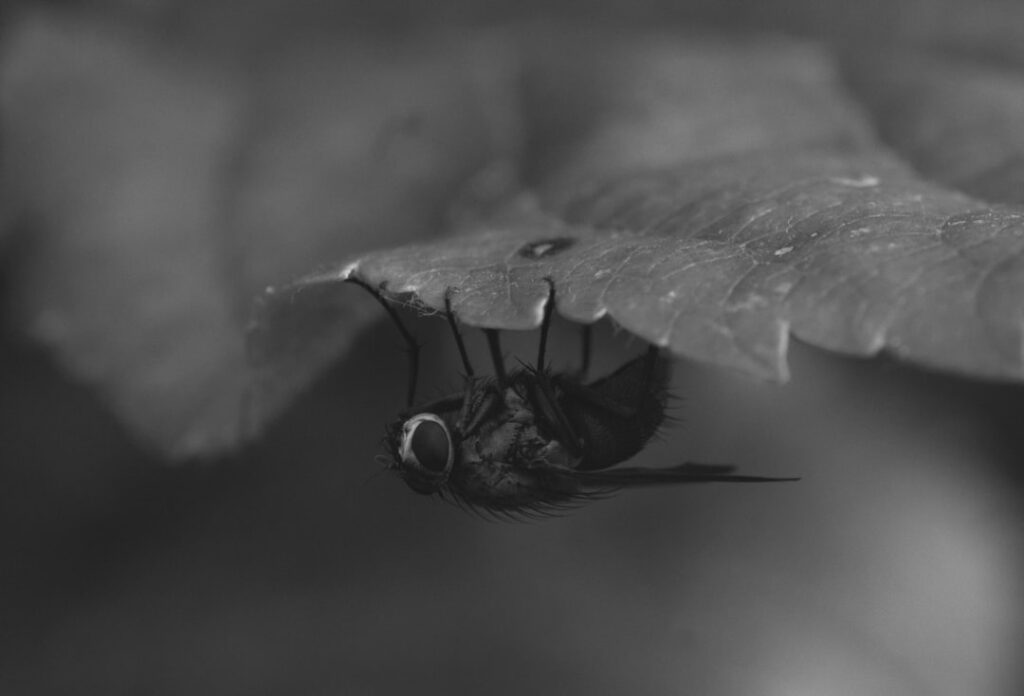
The Buzz About Black Fly (Simulium)
Black flies, belonging to the genus Simulium, are small, blood-feeding insects that are often found in close proximity to water bodies. These flies are commonly referred to as “buffalo gnats” due to their robust bodies and distinctive appearance. With over 1,800 species identified worldwide, black flies are particularly prevalent in temperate and tropical regions. Their life cycle is closely tied to aquatic environments, as their larvae develop in flowing water, making them a common sight near rivers and streams.
The significance of black flies extends beyond their ecological presence; they are also known for their biting behavior, which can cause discomfort and irritation in humans and animals. While not all species of black flies are vectors of disease, some have been implicated in the transmission of various pathogens. Understanding the biology and behavior of black flies is essential for managing their populations and mitigating their impact on human health and the environment.
Black flies, belonging to the genus Simulium, are notorious for their biting behavior and can be a significant nuisance in various regions. For those interested in learning more about the ecological impact and management of these insects, a related article can be found at Animal Kingdom. This resource provides valuable insights into the behavior and control methods for black flies, making it a useful read for anyone looking to understand these pests better.
Key Takeaways
- Black flies (Simulium) have a complex life cycle involving aquatic habitats.
- They can significantly impact human health through painful bites and disease transmission.
- Black flies play important ecological roles, including nutrient cycling and serving as food for other species.
- Controlling black fly populations involves environmental management and chemical treatments.
- Ongoing research focuses on better understanding black fly biology and improving control methods.
Life Cycle and Habitat of Black Fly
The life cycle of black flies consists of four distinct stages: egg, larva, pupa, and adult. Female black flies lay their eggs in or near fast-flowing water, where the larvae can find suitable conditions for growth. The eggs hatch into larvae within a few days, and these aquatic larvae attach themselves to submerged surfaces using specialized structures. They feed on organic matter and microorganisms present in the water, growing through several instars before entering the pupal stage.
Pupation occurs in the same aquatic environment, where the larvae transform into adults. This process can take several weeks, depending on environmental conditions such as temperature and water flow.
Once emerged, adult black flies typically live for a few weeks to a couple of months, during which time they seek out blood meals for reproduction.
Their preference for flowing water habitats makes them particularly abundant in areas with rivers, streams, and other freshwater sources.
The Impact of Black Fly on Human Health
Black flies can have a significant impact on human health, primarily through their biting behavior. The bites of female black flies can cause intense itching, swelling, and discomfort. In some cases, individuals may experience allergic reactions to the saliva injected during feeding.
While these reactions are generally mild, they can lead to secondary infections if scratching occurs. More concerning is the role that certain species of black flies play in disease transmission. For instance, some black flies are known vectors for the parasitic disease onchocerciasis, commonly referred to as river blindness.
This disease is caused by the filarial worm Onchocerca volvulus, which can lead to severe visual impairment and even blindness if left untreated. The presence of black flies in endemic regions poses a public health challenge, necessitating ongoing surveillance and control measures to reduce their populations and mitigate the risk of disease transmission.
Black Fly’s Role in the Ecosystem
Black flies play a multifaceted role in their ecosystems, contributing to both aquatic and terrestrial food webs. As larvae, they serve as a food source for various aquatic organisms, including fish and other invertebrates. Their presence in flowing water helps maintain ecological balance by participating in nutrient cycling and organic matter breakdown.
Adult black flies also contribute to pollination processes as they feed on nectar from flowers. While they are not as efficient as bees or butterflies in this role, their activity can still facilitate plant reproduction. Additionally, the interactions between black flies and their predators help regulate populations within ecosystems, highlighting their importance in maintaining biodiversity.
Black flies, belonging to the genus Simulium, are notorious for their biting habits and can be a significant nuisance in many regions. These small insects are not only a concern for outdoor enthusiasts but also play a role in the ecosystem as pollinators and as a food source for various animals. For those interested in learning more about the impact of black flies on both humans and wildlife, a related article can provide valuable insights. You can read more about their ecological significance and management strategies in this informative piece.
Controlling Black Fly Populations
| Metric | Data |
|---|---|
| Scientific Name | Simulium spp. |
| Common Name | Black Fly |
| Family | Simuliidae |
| Adult Size | 1.5 – 5 mm |
| Larval Habitat | Fast-flowing streams and rivers |
| Adult Lifespan | 2 – 3 weeks |
| Feeding Behavior | Females are blood feeders; males feed on nectar |
| Reproductive Rate | Up to 200 eggs per female |
| Disease Vector | Yes, transmits Onchocerciasis (river blindness) |
| Geographical Distribution | Worldwide, especially near flowing water bodies |
Controlling black fly populations is essential for minimizing their impact on human health and comfort. Various strategies have been employed to manage these insects effectively. One common approach involves the use of insecticides targeted at larval stages in aquatic habitats. These chemicals can reduce larval survival rates and subsequently decrease adult populations.
Biological control methods have also gained attention as environmentally friendly alternatives. For instance, introducing natural predators or competitors into black fly habitats can help regulate their numbers without relying solely on chemical interventions. Additionally, habitat modification—such as reducing water flow or altering vegetation around breeding sites—can disrupt the life cycle of black flies and limit their reproduction.
Black flies, belonging to the genus Simulium, are notorious for their biting habits and can be a significant nuisance in many regions. These small insects are not only bothersome but can also transmit diseases to both humans and animals. For those interested in learning more about their impact on ecosystems and human health, a related article can provide valuable insights. You can read more about this topic by visiting this link. Understanding the behavior and life cycle of black flies is essential for effective management and prevention strategies.
Tips for Avoiding Black Fly Bites
Preventing bites from black flies requires a combination of personal protection measures and environmental awareness. When venturing into areas known for high black fly populations, individuals should wear long sleeves and pants to minimize exposed skin. Light-colored clothing may also help reduce attraction since dark colors tend to draw these insects.
Using insect repellents containing DEET or other effective ingredients can provide additional protection against bites. Applying repellent to exposed skin and clothing can deter black flies from landing and feeding. Furthermore, avoiding outdoor activities during peak biting times—typically early morning and late afternoon—can reduce the likelihood of encounters with these pests.
Black Fly’s Role in Disease Transmission
Certain species of black flies are significant vectors for various diseases, most notably onchocerciasis. The transmission cycle begins when a female black fly feeds on an infected host, acquiring microfilariae from the bloodstream. These larvae develop within the fly before being transmitted to another host during subsequent blood meals. This cycle underscores the importance of understanding black fly behavior and ecology in disease prevention efforts.
In addition to onchocerciasis, other diseases may also be associated with black fly bites, including some viral infections. The potential for disease transmission highlights the need for ongoing research into the epidemiology of diseases linked to black flies and the development of effective control strategies to protect public health.
Future Research and Management Strategies for Black Fly
Future research on black flies should focus on understanding their ecology, behavior, and interactions with pathogens more comprehensively. Investigating the genetic diversity among different species may provide insights into their adaptability and resilience in changing environments. Additionally, studying the effects of climate change on black fly populations could inform management strategies as shifting weather patterns may alter their distribution and abundance.
Management strategies will likely need to evolve alongside new research findings. Integrated pest management approaches that combine biological control methods with targeted insecticide use may prove most effective in controlling black fly populations while minimizing environmental impact. Public education campaigns about the risks associated with black fly bites and disease transmission will also be crucial in fostering community awareness and encouraging preventive measures.
In conclusion, understanding the biology and ecological role of black flies is essential for managing their populations effectively while addressing public health concerns associated with their bites and disease transmission. Continued research will be vital in developing innovative strategies to mitigate their impact on human health and ecosystems alike.
FAQs
What is a black fly (Simulium)?
Black flies, belonging to the genus Simulium, are small, blood-feeding insects known for their biting behavior. They are typically found near flowing water where their larvae develop.
Where are black flies commonly found?
Black flies are commonly found in temperate and tropical regions worldwide, especially near rivers and streams where their larvae attach to submerged rocks and vegetation.
What is the life cycle of a black fly?
The black fly life cycle includes four stages: egg, larva, pupa, and adult. Eggs are laid in or near flowing water, larvae develop attached to submerged surfaces, pupae form underwater, and adults emerge to feed and reproduce.
Do black flies pose any health risks to humans?
Yes, black flies can pose health risks as their bites can cause itching, swelling, and allergic reactions. In some regions, they are vectors for diseases such as river blindness (onchocerciasis).
How can black fly bites be prevented?
Prevention methods include using insect repellents, wearing protective clothing, avoiding outdoor activities during peak black fly activity times, and using physical barriers like screens or nets.