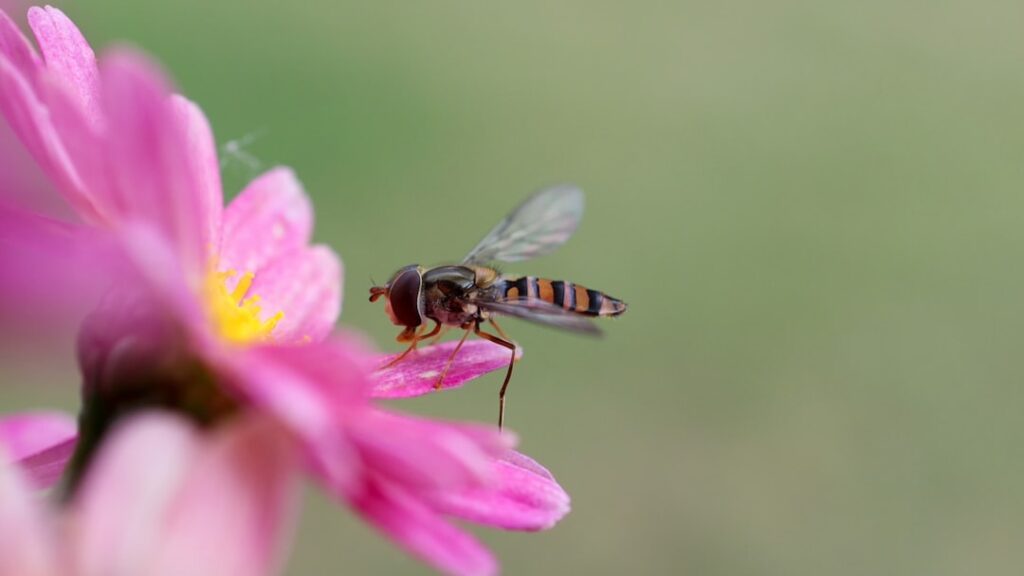
The Fascinating World of Hoverfly (Syrphidae)
Hoverflies, belonging to the family Syrphidae, are a diverse group of insects commonly found in various environments around the world. They are often recognized for their remarkable flying abilities, which allow them to hover in mid-air, a skill that has earned them their name. Hoverflies are frequently mistaken for bees or wasps due to their similar coloration and body shape, but they are harmless and do not possess stingers. This family of flies plays a crucial role in ecosystems, particularly in pollination and as a food source for other animals.
The study of hoverflies has gained attention in recent years due to their ecological significance. With over 6,000 species identified globally, hoverflies exhibit a wide range of behaviors and adaptations that contribute to their survival and ecological roles. Understanding these insects is essential for appreciating their contributions to biodiversity and the health of ecosystems. This article will explore various aspects of hoverflies, including their physical characteristics, habitat, importance in pollination, and the challenges they face in the modern world.
Hoverflies, belonging to the family Syrphidae, are fascinating insects known for their mimicry of bees and wasps, which helps them avoid predators. For more in-depth information about these intriguing creatures, you can explore a related article that discusses their ecological roles and behaviors. Check it out here: Hoverflies in the Animal Kingdom.
Key Takeaways
- Hoverflies are important pollinators with distinctive physical traits and behaviors.
- They inhabit diverse environments worldwide, adapting to various habitats.
- Their mimicry of bees and wasps serves as an effective defense mechanism.
- Hoverflies contribute significantly to agriculture by controlling pests and aiding pollination.
- Conservation efforts are crucial due to threats impacting hoverfly populations.
Physical Characteristics and Behavior
Hoverflies exhibit a variety of physical traits that distinguish them from other insects. Typically, they possess a robust body that can range in size from 5 to 25 millimeters in length. Their coloration often includes bright yellows and blacks, which serve as a warning signal to potential predators. The eyes of hoverflies are large and prominent, providing them with excellent vision that aids in navigation and foraging. Their wings are long and slender, allowing for agile flight patterns, including the ability to hover in place.
Behaviorally, hoverflies are known for their unique flight capabilities. They can perform intricate aerial maneuvers, which are not only impressive but also essential for their feeding habits. Hoverflies primarily feed on nectar and pollen from flowers, making them important pollinators. Their feeding behavior is characterized by a rapid approach to flowers, where they can hover momentarily before landing to extract food.
This behavior not only aids in their survival but also facilitates the pollination of various plant species.
Habitat and Distribution
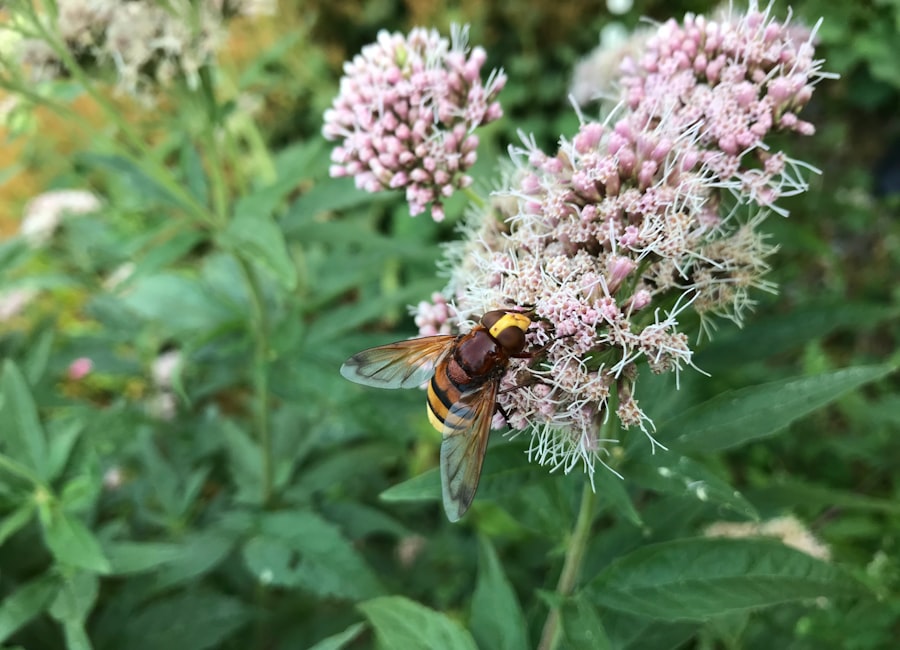
Hoverflies are adaptable insects found in a wide range of habitats, including gardens, forests, wetlands, and grasslands. They thrive in environments rich in flowering plants, as these provide essential food sources. Urban areas also support hoverfly populations, particularly in parks and gardens where diverse plant life exists.
The presence of water bodies can enhance habitat suitability, as many hoverfly larvae develop in aquatic environments. Geographically, hoverflies are distributed across all continents except Antarctica. Their adaptability allows them to occupy various ecological niches, from temperate regions to tropical climates.
In Europe and North America, hoverfly populations are particularly well-studied, with numerous species documented. However, many regions remain under-researched, highlighting the need for further exploration of hoverfly diversity and distribution patterns worldwide.
Importance in Pollination
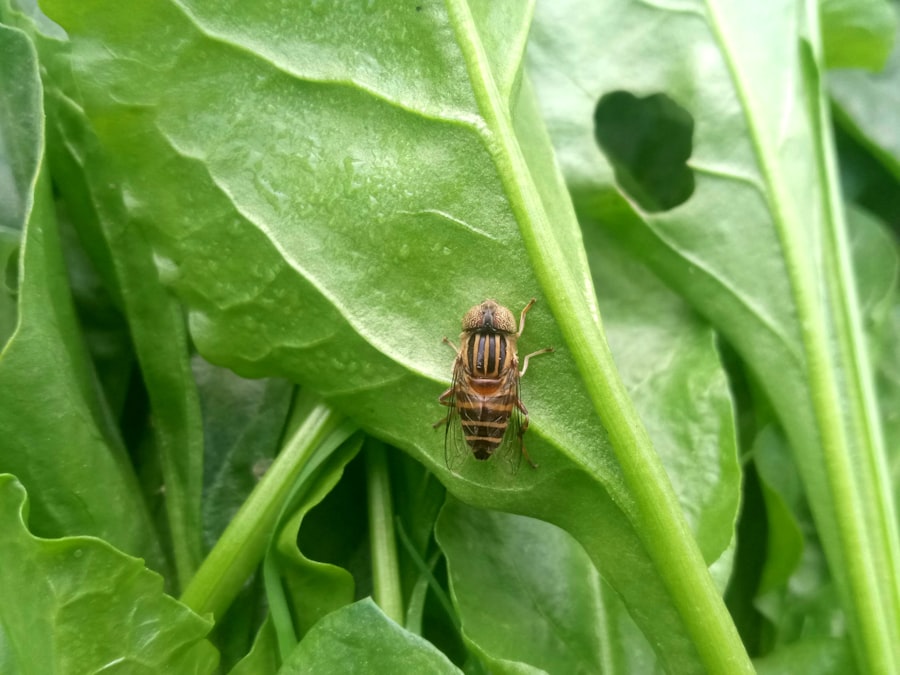
Hoverflies play a significant role in pollination, contributing to the reproductive success of many flowering plants. As they feed on nectar and pollen, they inadvertently transfer pollen from one flower to another, facilitating cross-pollination. This process is vital for the production of fruits and seeds, which are essential for plant reproduction and ecosystem health. Studies have shown that hoverflies can be as effective as honeybees in pollinating certain crops, making them valuable allies in agricultural settings.
The importance of hoverflies extends beyond individual plants; they contribute to overall biodiversity by supporting the growth of various plant species. This diversity is crucial for maintaining healthy ecosystems, as it provides habitat and food sources for other organisms. Additionally, hoverflies can help sustain agricultural productivity by enhancing crop yields through effective pollination services. Their role in pollination underscores the need for conservation efforts aimed at protecting these insects and their habitats.
Hoverflies, belonging to the family Syrphidae, are fascinating insects known for their mimicry of bees and wasps, which helps them avoid predators. These beneficial pollinators play a crucial role in ecosystems by aiding in the pollination of various plants. For those interested in learning more about the ecological importance of hoverflies and their unique behaviors, a related article can be found here: exploring their role in biodiversity. Understanding these insects can enhance our appreciation for the delicate balance of nature and the vital services they provide.
Mimicry and Defense Mechanisms
| Metric | Value | Details |
|---|---|---|
| Family | Syrphidae | Commonly known as hoverflies or flower flies |
| Average Size | 6-20 mm | Varies by species within the family |
| Flight Behavior | Hovering | Can remain nearly motionless in flight |
| Larval Diet | Varies | Includes aphids, decaying plant and animal matter, or aquatic microorganisms |
| Adult Diet | Nectar and Pollen | Important pollinators for many plants |
| Number of Species | Approximately 6,000 | Worldwide distribution |
| Ecological Role | Pollinators and Biological Control Agents | Larvae help control aphid populations |
| Habitat | Various | Found in gardens, meadows, forests, and wetlands |
One of the most fascinating aspects of hoverflies is their mimicry of bees and wasps. This evolutionary adaptation serves as a defense mechanism against predators that may avoid stinging insects. By resembling these more dangerous insects in coloration and body shape, hoverflies can deter potential threats without possessing any venomous capabilities themselves. This form of mimicry is an example of Batesian mimicry, where a harmless species evolves to imitate the warning signals of a harmful one.
In addition to mimicry, hoverflies employ other defense strategies to enhance their survival. Some species exhibit behaviors such as rapid flight or sudden changes in direction when threatened, making it difficult for predators to capture them. Furthermore, certain hoverfly larvae have developed unique adaptations that allow them to thrive in specific environments while avoiding predation. For instance, some larvae are aquatic and can camouflage themselves among algae or detritus, reducing their visibility to potential predators.
Hoverflies, belonging to the family Syrphidae, are fascinating insects known for their mimicry of bees and wasps, which helps them evade predators. These beneficial pollinators play a crucial role in ecosystems by aiding in the pollination of various plants. If you’re interested in learning more about the ecological importance and behavior of hoverflies, you can check out this informative article on their role in agriculture and biodiversity. For further details, visit this link.
Life Cycle and Reproduction
The life cycle of hoverflies consists of four distinct stages: egg, larva, pupa, and adult. Female hoverflies typically lay their eggs on or near host plants that provide food for the larvae upon hatching. The eggs are small and often laid in clusters or singly on leaves or flowers. After a few days, the larvae emerge and begin feeding on plant material or aphids, depending on the species.
The larval stage is crucial for growth and development; larvae can consume large quantities of food during this period. After several molts, they enter the pupal stage, where they undergo metamorphosis into adult flies. This transformation can take anywhere from a few days to several weeks, depending on environmental conditions such as temperature and food availability. Once emerged as adults, hoverflies seek out mates to reproduce and continue the cycle.
Hoverflies in Agriculture and Pest Control
Hoverflies are increasingly recognized for their role in agriculture as natural pest controllers. Many species feed on aphids and other plant pests during their larval stage, helping to regulate pest populations without the need for chemical pesticides.
This natural form of pest control is beneficial for sustainable farming practices and contributes to healthier ecosystems.
Farmers can enhance hoverfly populations by creating habitats that support their life cycles. Planting diverse flowering crops and maintaining areas with native vegetation can attract adult hoverflies seeking nectar and pollen. By fostering an environment conducive to hoverfly presence, agricultural systems can benefit from improved pest management while promoting biodiversity.
Conservation and Threats to Hoverfly Populations
Despite their ecological importance, hoverfly populations face several threats that could impact their survival. Habitat loss due to urbanization, agricultural expansion, and land-use changes poses significant challenges for these insects. The decline of flowering plants due to monoculture farming practices further exacerbates the issue by reducing food sources for adult hoverflies.
Additionally, climate change presents a growing concern for hoverfly populations. Altered weather patterns can affect the availability of habitats and food resources while also influencing reproductive cycles. Conservation efforts aimed at protecting habitats and promoting biodiversity are essential for ensuring the continued presence of hoverflies in ecosystems worldwide. Public awareness campaigns can also play a role in highlighting the importance of these insects and encouraging practices that support their conservation.
In conclusion, hoverflies are vital components of ecosystems due to their roles in pollination and pest control. Their unique physical characteristics, behaviors, and life cycles contribute to their ecological significance. However, ongoing threats necessitate concerted conservation efforts to protect these insects and maintain the health of our natural environments. Understanding the complexities of hoverfly biology and ecology is crucial for fostering appreciation and support for their conservation among both scientists and the general public alike.
FAQs
What are hoverflies (Syrphidae)?
Hoverflies, also known as Syrphidae, are a family of flies known for their ability to hover in place. They are often seen around flowers and are important pollinators in many ecosystems.
How can you identify a hoverfly?
Hoverflies typically have bright, often yellow and black markings that mimic bees or wasps. They have large eyes, short antennae, and a characteristic hovering flight pattern. Unlike bees, they have only one pair of wings.
What is the ecological role of hoverflies?
Hoverflies play a crucial role as pollinators for many plants. Additionally, their larvae often feed on aphids and other plant pests, making them beneficial for natural pest control.
Where are hoverflies commonly found?
Hoverflies are found worldwide, inhabiting a variety of environments including gardens, meadows, forests, and wetlands. They are most active during warm months when flowers are abundant.
Are hoverflies harmful to humans?
No, hoverflies are harmless to humans. They do not sting or bite and are considered beneficial insects due to their pollination and pest control activities.