The Lethal Predator: Robber Fly (Asilidae)
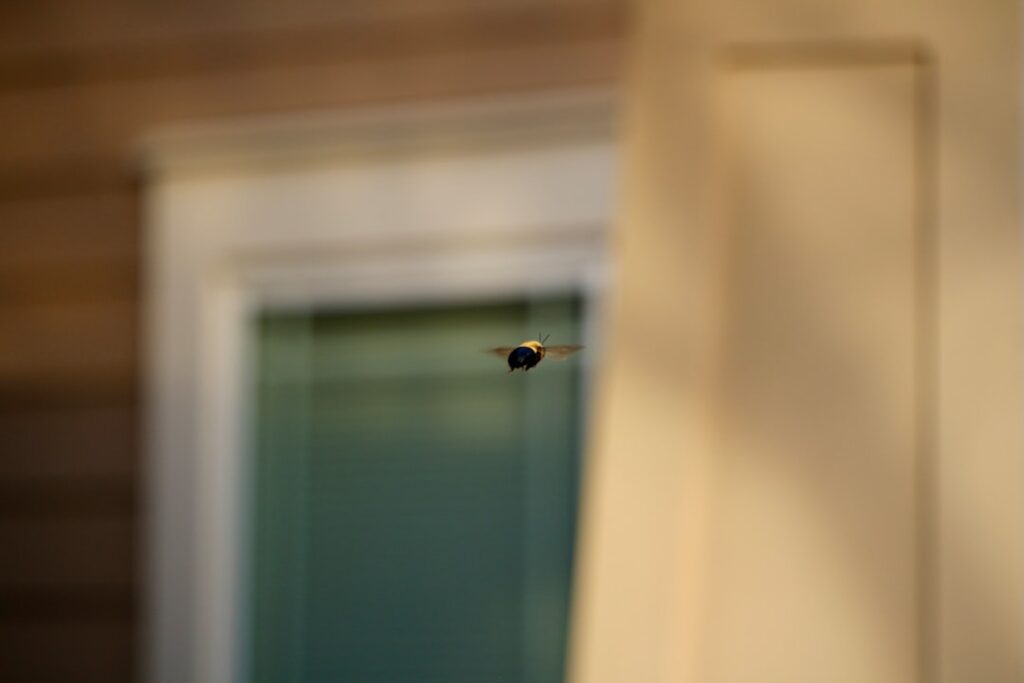
Robber flies, belonging to the family Asilidae, are a diverse group of predatory insects found in various environments around the world. With over 7,000 species identified, they exhibit a wide range of sizes, colors, and behaviors. These insects are known for their distinctive appearance and remarkable hunting skills, which have earned them the name “robber” due to their predatory nature. They are often seen perched on vegetation or in flight, where they display their agility and keen eyesight.
The ecological role of robber flies is significant, as they contribute to the control of pest populations.
By preying on other insects, including flies, bees, and beetles, they help maintain a balance within their ecosystems.
Their presence can indicate a healthy environment, as they thrive in areas with abundant prey and suitable habitats. Understanding the biology and behavior of robber flies is essential for appreciating their role in nature and the potential implications for biodiversity.
Robber flies, belonging to the family Asilidae, are fascinating predators known for their impressive hunting skills and unique appearance. If you’re interested in learning more about these remarkable insects, you can explore a related article that delves into their behavior, habitat, and role in the ecosystem. For more information, visit this article to discover the intriguing world of robber flies and their ecological significance.
Key Takeaways
- Robber flies are predatory insects known for their aggressive hunting behavior.
- They have distinctive physical traits, including a stout, hairy body and strong legs.
- These flies capture prey mid-air and feed on other insects, playing a key role in controlling pest populations.
- Robber flies inhabit diverse environments worldwide, from forests to grasslands.
- Conservation efforts focus on preserving their habitats to maintain ecological balance and biodiversity.
Physical Characteristics and Behavior
Robber flies exhibit a range of physical characteristics that make them easily identifiable. They typically have elongated bodies, which can vary in size from a few millimeters to several centimeters in length. Their coloration ranges from dull browns and grays to more vibrant hues, depending on the species.
One of the most notable features of robber flies is their large, multifaceted eyes, which provide them with excellent vision.
This adaptation is crucial for spotting prey from a distance.
Behaviorally, robber flies are known for their aggressive hunting techniques. They are adept fliers, capable of rapid movements that allow them to chase down and capture prey mid-air. When hunting, they often employ a strategy of ambush, waiting patiently on a perch before launching themselves at unsuspecting insects. Their strong legs and sharp mouthparts enable them to grasp and immobilize their prey quickly. This predatory behavior is not only fascinating but also highlights their role as effective hunters in their respective ecosystems.
Hunting and Feeding Habits
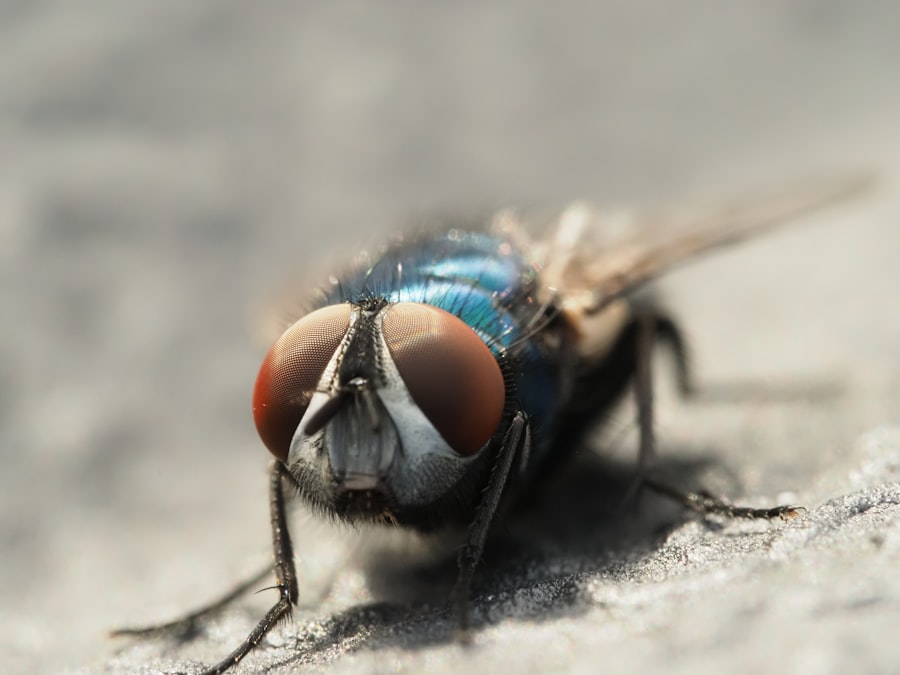
The hunting strategies of robber flies are varied and highly effective. They primarily feed on other flying insects, using their exceptional vision to detect movement from a distance. Once they spot potential prey, they take off in pursuit, often engaging in aerial chases that can be quite dramatic.
Their speed and agility allow them to outmaneuver many of their targets, making them formidable predators. Upon capturing their prey, robber flies utilize their specialized mouthparts to inject digestive enzymes that begin breaking down the soft tissues of the insect. This process allows them to consume their meal efficiently.
Robber flies are opportunistic feeders and will take advantage of whatever prey is available in their environment. This adaptability in feeding habits contributes to their success as predators and underscores their importance in controlling insect populations.
Range and Habitat
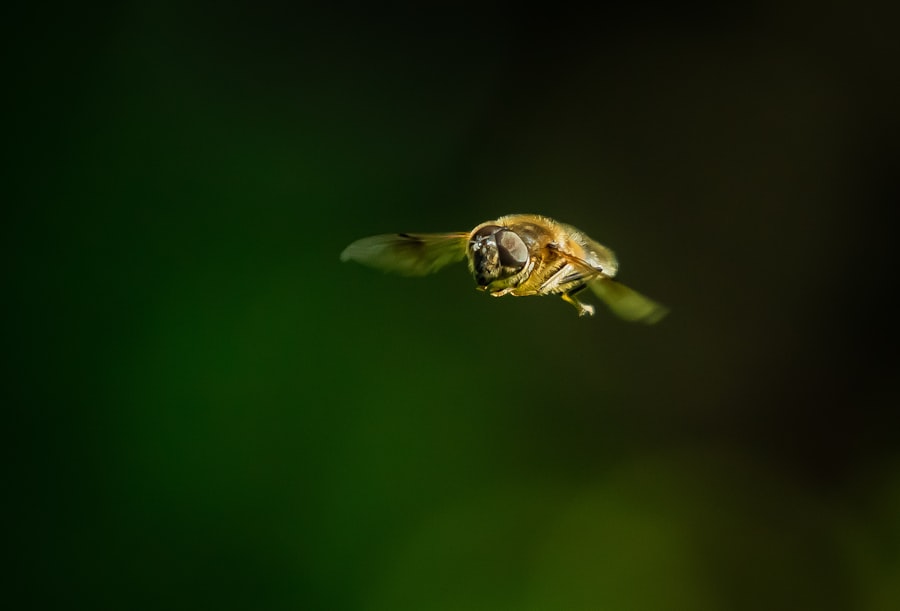
Robber flies are found on every continent except Antarctica, showcasing their adaptability to various climates and environments. They inhabit diverse ecosystems, including forests, grasslands, deserts, and urban areas. Their presence is often associated with open spaces where they can easily spot prey and perch for hunting. Some species prefer specific habitats, such as wetlands or sandy areas, while others are more generalist in their distribution.
The range of robber flies can vary significantly between species. Some may be localized to specific regions or habitats, while others have a broader distribution across continents. This variability in range is influenced by factors such as climate, availability of prey, and habitat structure. Understanding the distribution patterns of robber flies is essential for studying their ecological roles and the potential impacts of environmental changes on their populations.
Robber flies, belonging to the family Asilidae, are fascinating predators known for their impressive hunting skills and unique appearance. These insects are often found in open habitats where they can easily spot their prey, which typically includes other flying insects. For those interested in learning more about the diverse world of insects and their ecological roles, a related article can be found here. This resource provides valuable insights into various insect species and their contributions to the ecosystem, making it a great read for entomology enthusiasts.
Life Cycle and Reproduction
| Metric | Value | Details |
|---|---|---|
| Family | Asilidae | Commonly known as Robber Flies |
| Average Size | 5 to 50 mm | Varies widely among species |
| Number of Species | Approximately 7,000 | Worldwide distribution |
| Habitat | Various | Forests, grasslands, deserts, and wetlands |
| Diet | Carnivorous | Preys on other insects and arthropods |
| Flight Speed | Up to 40 km/h | Fast and agile hunters |
| Lifespan | Several weeks to months | Depends on species and environmental conditions |
| Reproductive Rate | Varies | Females lay hundreds of eggs in soil or plant debris |
| Predatory Behavior | Aggressive | Uses strong legs and piercing mouthparts to capture prey |
The life cycle of robber flies typically consists of four stages: egg, larva, pupa, and adult. Female robber flies lay eggs in suitable environments where the larvae can find food upon hatching. The eggs are often deposited in soil or on vegetation near potential prey sources. Once the eggs hatch, the larvae emerge and begin their predatory life cycle.
Robber fly larvae are also carnivorous and often feed on other insect larvae or small invertebrates. After undergoing several molts, they eventually pupate before emerging as adults. The duration of each life stage can vary depending on environmental conditions and species-specific factors. Adult robber flies are known for their relatively long lifespan compared to other insects, which can range from several months to a few years.
Importance in the Ecosystem
Robber flies play a crucial role in maintaining ecological balance by regulating insect populations. As predators, they help control the numbers of various pest species that can negatively impact agriculture and natural ecosystems. By preying on these insects, robber flies contribute to the overall health of their environments.
Additionally, robber flies serve as indicators of ecosystem health. Their presence often signifies a balanced environment with sufficient prey availability and suitable habitats. Changes in robber fly populations can reflect shifts in ecosystem dynamics, making them valuable subjects for ecological research and monitoring efforts.
Interactions with Humans
While robber flies are primarily known for their ecological roles, they also have interactions with humans that can be both positive and negative. On one hand, their predatory nature helps control pest populations that may affect crops or gardens, providing a natural form of pest management. Farmers and gardeners may benefit from the presence of these insects as they reduce the need for chemical pesticides.
On the other hand, some people may perceive robber flies as nuisances due to their aggressive hunting behavior or because they may inadvertently come into contact with humans during flight. However, it is important to recognize that robber flies pose no direct threat to humans; they do not bite or sting unless provoked. Educating the public about the ecological benefits of these insects can help foster a greater appreciation for their role in nature.
Conservation Efforts
Conservation efforts aimed at protecting robber fly populations are essential for maintaining biodiversity and ecosystem health. Habitat loss due to urbanization, agriculture, and climate change poses significant threats to these insects. Preserving natural habitats and creating green spaces can help support robust populations of robber flies and other beneficial insects.
Research initiatives focused on understanding the ecology and behavior of robber flies can inform conservation strategies. By studying their life cycles, habitat preferences, and interactions with other species, scientists can develop targeted approaches to protect these insects. Public awareness campaigns that highlight the importance of robber flies in pest control and ecosystem balance can also encourage conservation efforts at local levels.
In conclusion, robber flies are fascinating insects that play vital roles in ecosystems around the world. Their unique physical characteristics, hunting behaviors, and ecological significance make them important subjects for study and conservation efforts. By understanding these insects better, we can appreciate their contributions to biodiversity and work towards ensuring their continued presence in our environments.
FAQs
What is a robber fly (Asilidae)?
Robber flies, belonging to the family Asilidae, are predatory insects known for their aggressive hunting behavior. They have stout, spiny legs, a dense mustache of bristles on the face called the mystax, and a strong, piercing proboscis used to capture and kill prey.
Where are robber flies commonly found?
Robber flies are found worldwide, inhabiting a variety of environments including forests, grasslands, deserts, and gardens. They are most commonly seen in sunny, open areas where they perch and wait to ambush prey.
What do robber flies eat?
Robber flies are carnivorous and primarily feed on other insects. They prey on a wide range of insects such as bees, wasps, dragonflies, grasshoppers, and other flies, capturing them in flight with their strong legs.
How do robber flies catch their prey?
Robber flies use their excellent vision and swift flight to hunt. They typically perch on a vantage point and launch a rapid aerial attack to seize prey mid-air. They then inject their prey with saliva containing neurotoxic and proteolytic enzymes to immobilize and digest the internal tissues.
Are robber flies harmful to humans?
Robber flies are generally not harmful to humans. While they can bite if handled or provoked, they do not seek out humans as prey and are considered beneficial insects because they help control populations of pest insects.