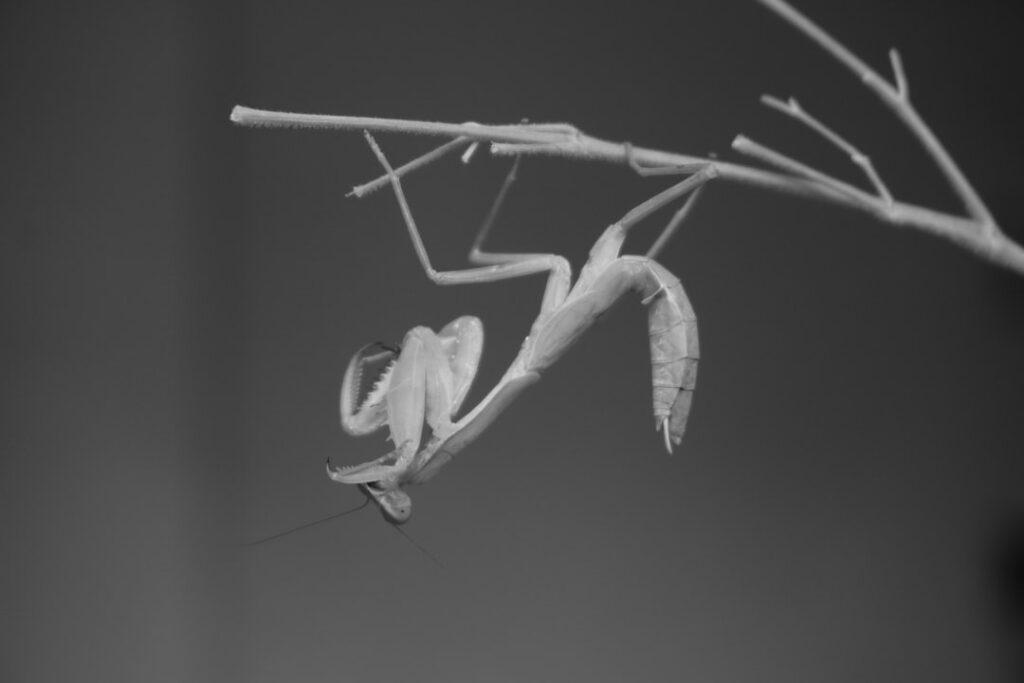
Master of Disguise: The Orchid Mantis
The orchid mantis, known scientifically as *Hymenopus coronatus*, is a fascinating insect that captivates both entomologists and casual observers alike. Native to tropical regions of Southeast Asia, this mantis is renowned for its striking resemblance to orchid flowers, which serves as a clever camouflage in its natural habitat. This unique adaptation not only aids in hunting but also plays a significant role in its survival. If you’ve ever wondered about the life of this extraordinary insect, you’re in for a treat.
In this article, we’ll explore the physical characteristics, behaviors, and ecological significance of the orchid mantis. We’ll also delve into its hunting techniques, reproductive habits, and even its presence in popular culture. By the end, you’ll have a comprehensive understanding of why the orchid mantis is such a remarkable creature.
The Orchid Mantis (Hymenopus coronatus) is a fascinating insect known for its remarkable ability to mimic the appearance of orchids, which helps it attract prey and evade predators. For those interested in learning more about this captivating species and its unique adaptations, you can explore a related article that delves into its behavior and habitat. To read more, visit this article.
Key Takeaways
- The Orchid Mantis is a unique and fascinating insect known for its remarkable camouflage and predatory behavior.
- With its pink and white coloration, the Orchid Mantis closely resembles the flowers it inhabits, making it a master of disguise.
- The Orchid Mantis exhibits a swaying motion to mimic the movement of a flower in the wind, luring unsuspecting prey to their demise.
- This predatory insect is known for its stealthy hunting techniques, patiently waiting for its prey to come within striking distance before ambushing them.
- The Orchid Mantis undergoes a series of molts as it grows, eventually reaching adulthood and reproducing before the end of its relatively short lifespan.
Physical Characteristics of the Orchid Mantis
The orchid mantis is easily recognizable due to its stunning appearance. Its body can range from pale green to white, often adorned with pink or purple markings that mimic the petals of an orchid. This coloration not only enhances its disguise but also makes it one of the most visually striking mantids in the world. Adult orchid mantises can grow up to 10 centimeters in length, with females typically being larger than males. Their elongated bodies and unique limb structure allow them to blend seamlessly into their floral surroundings.
One of the most distinctive features of the orchid mantis is its forelegs, which are modified for grasping prey. These legs are flattened and resemble flower petals, further enhancing their camouflage. The mantis’s large compound eyes provide excellent vision, allowing it to detect movement from a distance. This combination of physical traits makes the orchid mantis not just a beautiful insect but also an effective predator.
Behavioral Adaptations of the Orchid Mantis
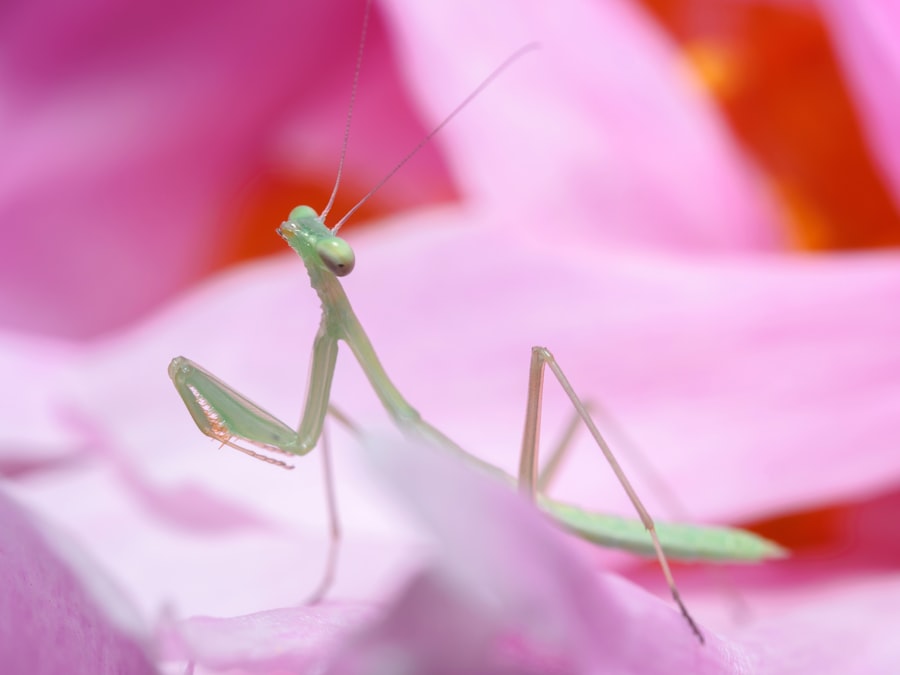
When perched on a flower, the mantis can blend in so well that it becomes nearly invisible, waiting patiently for unsuspecting insects to come close. In addition to its stillness, the orchid mantis employs a unique hunting strategy known as ambush predation. Instead of actively chasing down prey, it relies on its camouflage to lure insects within striking distance. When an unsuspecting insect lands nearby, the mantis strikes with lightning speed, using its powerful forelegs to capture and immobilize its meal.
This method not only conserves energy but also increases the likelihood of a successful hunt.
Hunting and Feeding Habits of the Orchid Mantis
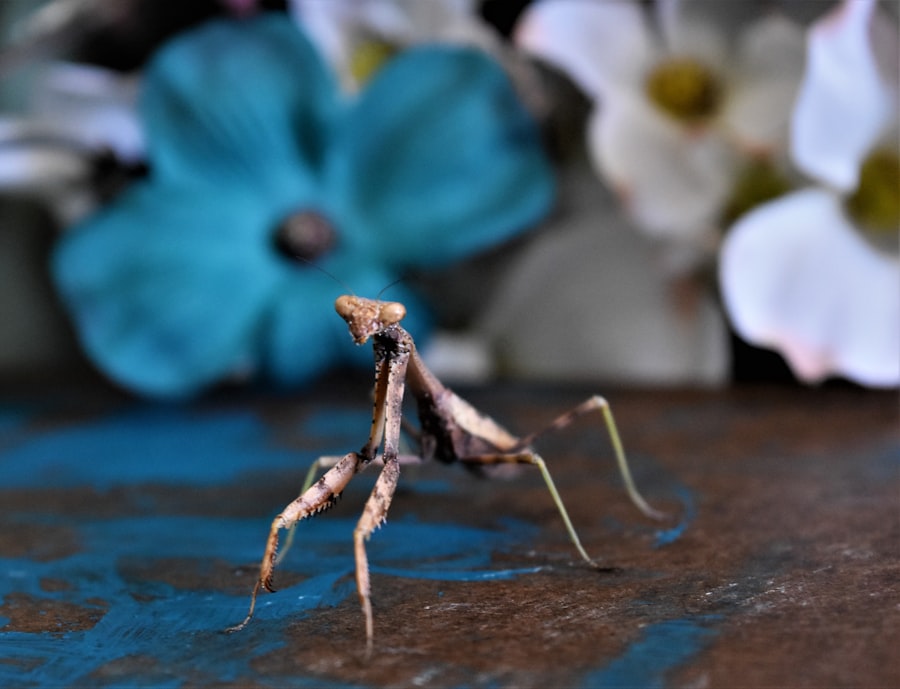
The diet of the orchid mantis primarily consists of small insects, including flies, bees, and butterflies. Its hunting technique is highly specialized; it often mimics the movements of flowers swaying in the breeze to attract potential prey. This behavior is particularly effective in environments rich with flowering plants, where insects are naturally drawn.
Once prey is within reach, the orchid mantis employs a swift and precise strike. Its forelegs snap out with incredible speed, grasping the insect and bringing it closer for consumption. The mantis then uses its sharp mandibles to dissect and consume its meal. Interestingly, female orchid mantises are known for their cannibalistic tendencies; they may consume males during or after mating. This behavior may seem brutal, but it provides nutritional benefits that can enhance reproductive success.
The Orchid Mantis (Hymenopus coronatus) is a fascinating insect known for its remarkable camouflage, which allows it to blend seamlessly into its floral surroundings.
This unique adaptation not only aids in hunting but also serves as protection from predators.
For those interested in learning more about the intriguing behaviors and characteristics of this captivating species, you can explore a related article that delves deeper into its natural habitat and lifestyle. To read more, visit this article.
Reproduction and Life Cycle of the Orchid Mantis
| Category | Information |
|---|---|
| Scientific Name | Hymenopus coronatus |
| Family | Hymenopodidae |
| Native Habitat | Southeast Asia |
| Size | 2.5 to 5 cm |
| Color | Pink or white with purple or brown markings |
| Diet | Preys on insects |
| Camouflage | Resembles a flower to attract prey |
The reproductive habits of the orchid mantis are as intriguing as its hunting techniques. Mating typically occurs during the warmer months when food is abundant. After a courtship display that involves intricate movements and posturing, the male approaches the female cautiously. However, this encounter can be perilous for him; females may engage in sexual cannibalism, consuming their partners after mating.
Once mating is successful, the female lays her eggs in a protective case known as an ootheca. This case can contain dozens of eggs and is often camouflaged to blend in with its surroundings. The eggs hatch into nymphs that resemble miniature versions of adults but lack wings and coloration. As they grow, they undergo several molts before reaching maturity, a process that can take several months depending on environmental conditions.
The Orchid Mantis (Hymenopus coronatus) is a fascinating insect known for its remarkable camouflage, which allows it to blend seamlessly into its floral surroundings. This unique adaptation not only aids in hunting prey but also serves as a defense mechanism against predators. For those interested in learning more about the intriguing behaviors and characteristics of this remarkable species, you can explore a related article that delves deeper into its life cycle and habitat. To read more, visit this link.
Orchid Mantis in Popular Culture and Folklore
The orchid mantis has made its mark not only in scientific circles but also in popular culture and folklore. Its striking appearance has inspired artists and filmmakers alike, often symbolizing beauty and danger intertwined. In various cultures, mantises are seen as symbols of patience and stillness due to their hunting techniques.
In some Asian cultures, the orchid mantis is associated with good fortune and prosperity. Its ability to blend into flowers has led to interpretations of it as a guardian spirit of nature. This duality—being both admired for its beauty and feared for its predatory nature—adds depth to its representation in stories and art.
Conservation Status and Threats to the Orchid Mantis
Despite its captivating nature, the orchid mantis faces several threats that could impact its populations. Habitat loss due to deforestation and agricultural expansion poses significant risks to their natural environments. As tropical forests are cleared for development or farming, these insects lose their homes and food sources.
Additionally, climate change affects their habitats by altering temperature and rainfall patterns, which can disrupt their life cycles and reproductive success. While there are currently no specific conservation measures targeting the orchid mantis, preserving their natural habitats is crucial for their survival. Awareness and education about these insects can help promote conservation efforts.
How to Spot an Orchid Mantis in the Wild
If you’re eager to spot an orchid mantis in its natural habitat, there are a few tips to keep in mind. First, focus your search on tropical regions where orchids thrive—think Southeast Asia or similar climates. Look for them perched on flowers or leaves; their excellent camouflage means they can be challenging to spot at first glance.
Patience is key when observing these insects. Take your time and scan flowers carefully; you might be surprised at how well they blend in with their surroundings. Early morning or late afternoon are often the best times for spotting them when they are most active. Remember to respect their space; observing from a distance ensures you don’t disturb their natural behavior.
In conclusion, the orchid mantis is a remarkable insect that showcases nature’s ingenuity through its physical adaptations and behaviors. From its stunning appearance to its unique hunting strategies, this creature offers a glimpse into the complexities of life in tropical ecosystems. Understanding more about the orchid mantis not only enriches our knowledge of biodiversity but also highlights the importance of conservation efforts to protect these fascinating insects and their habitats.
FAQs
What is an Orchid Mantis?
An Orchid Mantis (Hymenopus coronatus) is a species of praying mantis known for its unique appearance and behavior. It is named for its resemblance to the orchid flower, which it uses to camouflage itself and ambush prey.
Where are Orchid Mantises found?
Orchid Mantises are native to Southeast Asia, including countries such as Malaysia, Indonesia, and Thailand. They are typically found in tropical rainforests and other lush, humid environments.
What do Orchid Mantises eat?
Orchid Mantises are carnivorous and primarily feed on insects, such as flies, bees, and butterflies. They are known for their specialized hunting technique, where they mimic the appearance of a flower to attract unsuspecting prey.
How do Orchid Mantises reproduce?
Female Orchid Mantises lay their eggs in a foamy protective case called an ootheca. The eggs hatch into nymphs, which resemble miniature versions of the adult mantises. The nymphs undergo several molts before reaching adulthood.
Are Orchid Mantises endangered?
Orchid Mantises are not currently listed as endangered, but their populations may be at risk due to habitat loss and collection for the pet trade. Conservation efforts are important to ensure the continued survival of this unique species.