
Bumblebee: The Vital Role of Bombus terrestris in Ecosystems
Bombus terrestris, commonly known as the buff-tailed bumblebee, is a species that has garnered significant attention due to its ecological importance and distinctive characteristics. This robust insect is easily recognizable by its large size, fuzzy body, and the characteristic buff-colored tail that gives it its name. Native to Europe and parts of Asia, Bombus terrestris has adapted well to various habitats, including gardens, meadows, and agricultural landscapes.
Its social structure is fascinating; these bumblebees live in colonies that can range from 50 to 400 individuals, with a queen, workers, and drones playing distinct roles within the hive. The queen is responsible for reproduction, while the workers forage for nectar and pollen, maintaining the colony’s health and productivity. The life cycle of Bombus terrestris is particularly intriguing.
The queen emerges from hibernation in early spring, seeking a suitable nesting site to establish her colony. After mating, she lays eggs that develop into workers, who then take over foraging duties and care for subsequent generations. This cyclical process not only ensures the survival of the species but also plays a crucial role in pollination, which is vital for many flowering plants.
As a generalist pollinator, Bombus terrestris visits a wide variety of flowers, making it an essential player in maintaining the health of ecosystems. Its ability to thrive in diverse environments has allowed it to expand its range, even being introduced to regions outside its native habitat for agricultural purposes.
Key Takeaways
- Bombus terrestris, also known as the buff-tailed bumblebee, is a species of bumblebee found in Europe, Asia, and North Africa.
- Bumblebees play a crucial role in pollination, contributing to the reproduction of many plant species and the production of fruits and seeds.
- The decline of bumblebee populations has a significant impact on ecosystems, leading to reduced plant diversity and affecting other species that rely on bumblebees for pollination.
- Conservation efforts for bumblebees include creating and preserving habitats, reducing pesticide use, and raising awareness about the importance of bumblebees in ecosystems.
- Bumblebees help maintain biodiversity by pollinating a wide variety of plant species, contributing to the health and stability of ecosystems.
Pollination and the Importance of Bumblebees
Pollination is a critical ecological process that facilitates the reproduction of flowering plants by transferring pollen from male anthers to female stigmas.
Their ability to perform “buzz pollination,” where they vibrate their bodies to release pollen from certain flowers, sets them apart from other pollinators.
This technique is especially beneficial for plants such as tomatoes and blueberries, which require this specific method for optimal pollen release. The efficiency of Bombus terrestris in pollination directly contributes to the reproductive success of numerous plant species, thereby supporting entire ecosystems. The importance of bumblebees extends beyond mere plant reproduction; they are integral to food webs and ecosystem stability.
By facilitating the growth of flowering plants, Bombus terrestris indirectly supports herbivores that rely on these plants for sustenance. In turn, these herbivores serve as food sources for higher trophic levels, including predators and scavengers. The decline of bumblebee populations could disrupt these intricate relationships, leading to cascading effects throughout ecosystems.
Furthermore, many crops that humans rely on for food production depend on effective pollination services provided by bumblebees. The economic implications of their role in agriculture cannot be overstated; without these industrious insects, food security could be jeopardized.
Bumblebee Decline and its Impact on Ecosystems
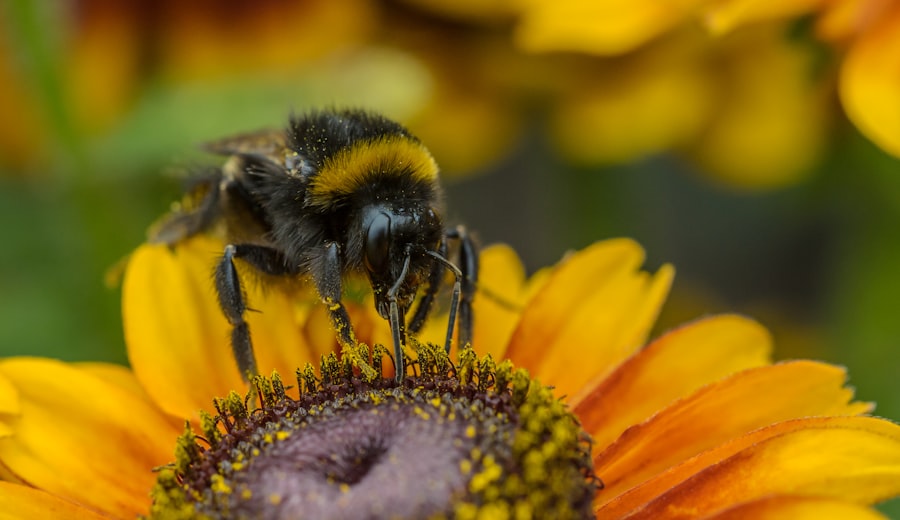
In recent decades, bumblebee populations have experienced alarming declines across various regions. Factors contributing to this decline include habitat loss due to urbanization and agricultural expansion, pesticide use, climate change, and the spread of diseases and parasites. Habitat destruction reduces the availability of nesting sites and floral resources essential for bumblebee survival.
Pesticides, particularly neonicotinoids, have been shown to have detrimental effects on bumblebee health and behavior, impairing their foraging abilities and reproductive success. The consequences of bumblebee decline extend far beyond the loss of a single species; they pose significant threats to ecosystem integrity. As key pollinators, bumblebees play a vital role in maintaining plant diversity.
A reduction in their populations can lead to decreased pollination rates for many flowering plants, resulting in lower seed production and reduced plant diversity. This decline can create a ripple effect throughout ecosystems, affecting herbivores that depend on these plants for food and ultimately impacting higher trophic levels. The loss of biodiversity can also make ecosystems more vulnerable to environmental changes and reduce their resilience against disturbances such as climate change or invasive species.
Bumblebee Conservation Efforts
| Conservation Effort | Metrics |
|---|---|
| Habitat Restoration | Acres of wildflower meadows restored |
| Education Programs | Number of schools reached |
| Research Projects | Number of bumblebee species studied |
| Policy Advocacy | Number of policies influenced |
Recognizing the critical role that bumblebees play in ecosystems and agriculture has spurred various conservation efforts aimed at protecting Bombus terrestris and other bumblebee species. These initiatives often focus on habitat restoration and enhancement, creating environments that support bumblebee populations. Planting native wildflowers and maintaining hedgerows can provide essential forage resources and nesting sites for bumblebees.
In addition to habitat restoration, research plays a vital role in conservation efforts. Scientists are studying bumblebee behavior, ecology, and genetics to better understand their needs and vulnerabilities.
This research informs conservation strategies and helps identify priority areas for protection. Furthermore, organizations dedicated to pollinator conservation are advocating for policy changes that promote sustainable agricultural practices and reduce pesticide use. By fostering collaboration between scientists, policymakers, farmers, and the public, these efforts aim to create a more favorable environment for bumblebees and ensure their survival for future generations.
Bumblebee’s Role in Maintaining Biodiversity
Bumblebees like Bombus terrestris are essential contributors to biodiversity maintenance within ecosystems. Their role as pollinators supports the reproduction of a wide array of flowering plants, which in turn sustains diverse habitats that provide food and shelter for numerous organisms. The intricate relationships between plants and their pollinators are foundational to ecosystem health; when bumblebees thrive, so do the myriad species that depend on flowering plants for survival.
Moreover, the presence of diverse plant species fosters resilience within ecosystems by providing varied resources that can withstand environmental changes. For instance, a diverse plant community can better cope with pests or diseases than a monoculture system. Bumblebees contribute to this diversity by ensuring that multiple plant species can reproduce successfully.
This dynamic interplay highlights the interconnectedness of species within ecosystems; the decline of bumblebees could lead to reduced plant diversity, which would subsequently impact herbivores and other dependent species.
Bumblebee’s Impact on Agriculture and Food Production
The Economic Significance of Bumblebees
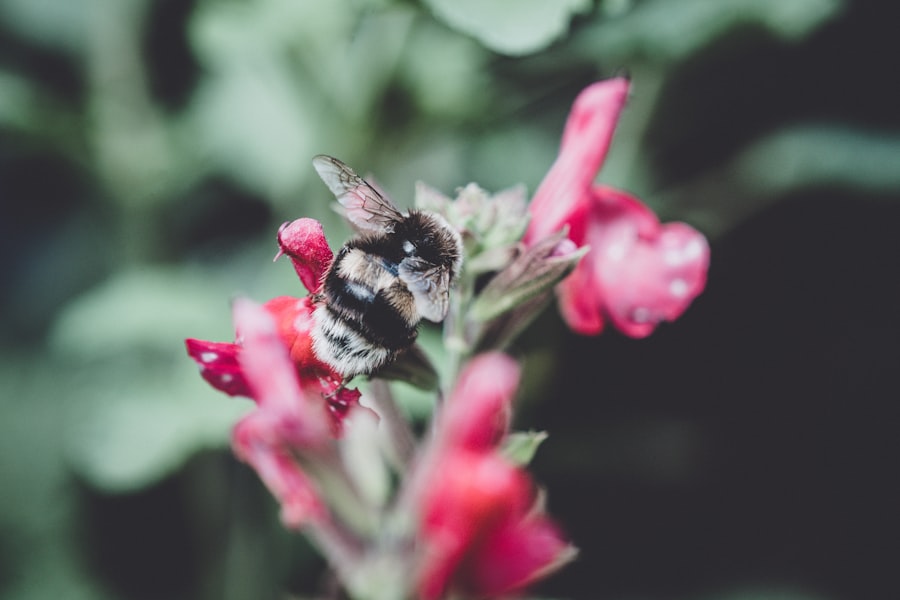
The reliance on bumblebees highlights their economic importance, with global crop production worth billions of dollars dependent on insect pollination. Moreover, bumblebees contribute to agricultural biodiversity by supporting wildflower populations within farming landscapes, which provide additional forage for bumblebees and attract other beneficial insects that help control pests naturally.
Promoting Sustainable Farming Practices
Integrating wildflower strips into agricultural systems can create a more sustainable farming approach while enhancing overall ecosystem health. As farmers increasingly recognize the value of pollinators in their operations, there is a growing movement towards practices that promote pollinator-friendly environments.
Agricultural Biodiversity and Ecosystem Health
By supporting wildflower populations, bumblebees contribute to agricultural biodiversity, which is essential for maintaining healthy ecosystems. This, in turn, can lead to more resilient and productive agricultural systems that benefit both farmers and the environment.
The Relationship Between Bumblebees and Other Species
The relationship between Bombus terrestris and other species within ecosystems is complex and multifaceted. As primary pollinators, bumblebees facilitate interactions between flowering plants and various organisms that depend on those plants for food or habitat. For instance, many bird species rely on seeds produced by flowering plants for nourishment; thus, a decline in bumblebee populations could indirectly affect avian communities as well.
Additionally, bumblebees themselves are part of a broader food web. They serve as prey for various predators such as birds, mammals, and even some insects. The decline of bumblebee populations could disrupt these predator-prey dynamics, leading to potential declines in predator populations as well.
Furthermore, the presence of healthy bumblebee populations can enhance overall ecosystem stability by promoting biodiversity at multiple trophic levels.
The Future of Bombus terrestris in Ecosystems
The future of Bombus terrestris hinges on our collective ability to address the challenges facing this vital species. Climate change poses significant threats through altered flowering times and habitat shifts that may not align with bumblebee life cycles. As temperatures rise and weather patterns become more erratic, the delicate balance between bumblebees and their floral resources may be disrupted.
Conservation efforts must be intensified to ensure the survival of Bombus terrestris in changing environments. This includes not only habitat restoration but also implementing policies that mitigate climate change impacts through sustainable practices across various sectors. Public awareness campaigns can further bolster support for conservation initiatives by highlighting the importance of bumblebees in our ecosystems.
In conclusion, Bombus terrestris serves as a keystone species within ecosystems due to its critical role in pollination and biodiversity maintenance. The challenges it faces require urgent action from individuals, communities, scientists, and policymakers alike to secure its future in our rapidly changing world.
If you are interested in learning more about the conservation efforts for bumblebees like the Bumblebee (Bombus terrestris), you may want to check out the article on Animal Kingdom’s website. This article discusses the importance of protecting pollinators and the role they play in our ecosystem. It provides valuable information on how individuals can help support bumblebee populations and ensure their survival for future generations.
FAQs
What is a Bumblebee (Bombus terrestris)?
Bumblebee (Bombus terrestris) is a species of bee that belongs to the genus Bombus. They are known for their large, furry bodies and their distinctive black and yellow stripes.
Where are Bumblebees (Bombus terrestris) found?
Bumblebees (Bombus terrestris) are found in various parts of Europe, Asia, and North Africa. They are also commonly found in gardens, meadows, and other open habitats.
What do Bumblebees (Bombus terrestris) eat?
Bumblebees (Bombus terrestris) primarily feed on nectar and pollen from flowers. They play a crucial role in pollination and are important for the reproduction of many plant species.
How do Bumblebees (Bombus terrestris) contribute to the ecosystem?
Bumblebees (Bombus terrestris) are important pollinators and play a crucial role in the reproduction of many plant species. They also contribute to the overall biodiversity of their habitats.
Are Bumblebees (Bombus terrestris) endangered?
Bumblebees, including Bombus terrestris, are facing threats such as habitat loss, pesticide use, and climate change. Some species of bumblebees are considered to be at risk of extinction.