
Discovering the Unique Clam Shrimp: Cyzicus mexicanus
Cyzicus mexicanus, commonly known as the clam shrimp, is a fascinating and often overlooked member of the crustacean family. This small, bivalve-like organism is part of the order Branchiopoda, which also includes other intriguing species such as water fleas and fairy shrimp. Clam shrimp are characterized by their unique morphology, which resembles that of a clam, hence their name.
They possess a carapace that encases their body, providing protection and a streamlined shape that aids in their aquatic lifestyle. The study of Cyzicus mexicanus not only sheds light on the diversity of life in freshwater ecosystems but also highlights the intricate relationships these organisms have with their environment. Cyzicus mexicanus is particularly interesting due to its adaptations to ephemeral water bodies, such as temporary ponds and seasonal wetlands.
These habitats are often subject to drastic changes in water levels and quality, making the survival strategies of clam shrimp a subject of great interest to ecologists and biologists. Understanding the biology and ecology of Cyzicus mexicanus can provide insights into broader ecological patterns and the health of freshwater ecosystems, especially in the face of climate change and habitat destruction.
Key Takeaways
- Cyzicus mexicanus is a species of clam shrimp found in freshwater habitats in Mexico and the southern United States.
- They are known for their unique physical characteristics, including a bivalve shell and a long, slender body with numerous appendages.
- Cyzicus mexicanus reproduces through a process called parthenogenesis, where females produce offspring without fertilization from males.
- As filter feeders, Cyzicus mexicanus plays a crucial role in maintaining water quality and controlling algae populations in their ecosystems.
- Despite their ecological importance, Cyzicus mexicanus faces threats from habitat destruction and pollution, making conservation efforts crucial for their survival.
Habitat and Distribution of Cyzicus mexicanus
Cyzicus mexicanus is predominantly found in North America, with a distribution that spans various regions, particularly in the southern United States and parts of Mexico. This species thrives in temporary ponds, marshes, and other shallow freshwater environments that experience seasonal flooding. These habitats are crucial for the life cycle of clam shrimp, as they provide both a breeding ground and a source of food.
The ephemeral nature of these water bodies means that Cyzicus mexicanus has adapted to complete its life cycle rapidly, often emerging from dormant eggs when conditions are favorable. The distribution of Cyzicus mexicanus is closely tied to its habitat preferences. It is often found in areas with rich vegetation and organic matter, which contribute to the nutrient dynamics of these ecosystems.
The presence of aquatic plants not only provides shelter but also serves as a food source for these organisms. As climate patterns shift and human activities alter natural landscapes, understanding the specific habitat requirements of Cyzicus mexicanus becomes increasingly important for conservation efforts.
Physical Characteristics of Cyzicus mexicanus
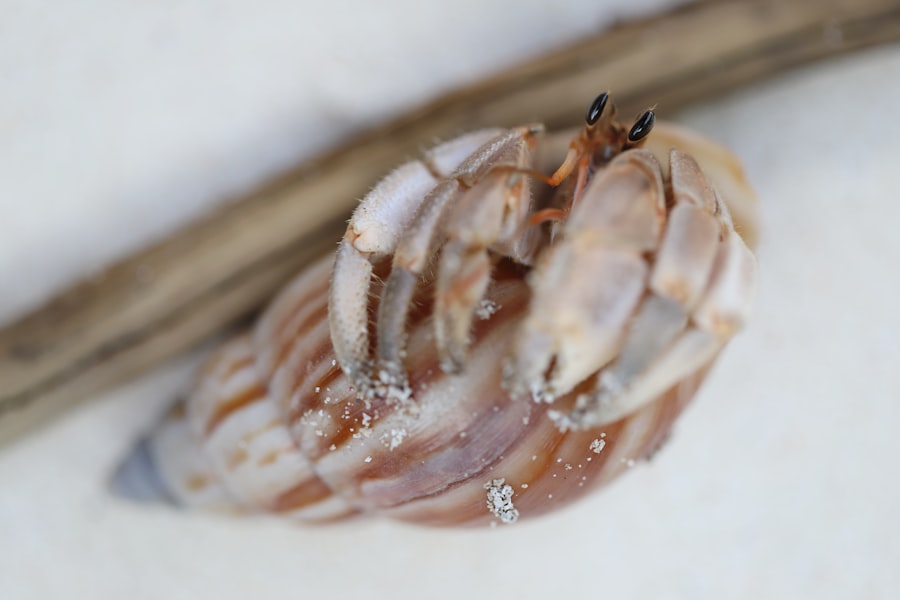
Cyzicus mexicanus exhibits several distinctive physical characteristics that set it apart from other crustaceans. One of the most notable features is its bivalve-like carapace, which is composed of two hinged shells that protect its body. This carapace can vary in color from translucent to brownish or greenish hues, often reflecting the surrounding environment.
The size of adult clam shrimp typically ranges from 1 to 2 centimeters in length, making them relatively small compared to other aquatic organisms. In addition to its carapace, Cyzicus mexicanus possesses a series of appendages that are adapted for swimming and feeding. These appendages include antennae that are used for locomotion and sensory perception, as well as specialized limbs that help in filter-feeding.
The overall morphology of Cyzicus mexicanus is an excellent example of evolutionary adaptation to its specific ecological niche, allowing it to thrive in dynamic freshwater environments.
Reproduction and Life Cycle of Cyzicus mexicanus
| Life Cycle Stage | Description |
|---|---|
| Egg | The eggs are laid in the sediment at the bottom of the water body. |
| Nauplius Larva | After hatching, the larvae go through several molts before reaching the next stage. |
| Cyprid Larva | The cyprid larvae settle on a substrate and undergo metamorphosis into adults. |
| Adult | The adults reproduce by laying eggs, completing the life cycle. |
The reproductive strategy of Cyzicus mexicanus is particularly fascinating due to its reliance on environmental cues for breeding. Clam shrimp are known for their ability to produce both sexual and asexual offspring, depending on the conditions of their habitat. In favorable environments with abundant resources, sexual reproduction occurs, leading to the production of fertilized eggs that develop into free-swimming nauplii.
Conversely, in harsher conditions where survival is uncertain, parthenogenetic reproduction may take place, allowing females to produce eggs without fertilization. The life cycle of Cyzicus mexicanus is remarkably rapid, often completing within a few weeks during optimal conditions. After hatching, the nauplii undergo several molts before reaching maturity.
This quick development is crucial for survival in ephemeral habitats where water levels can fluctuate dramatically. The ability to enter a dormant state as encysted eggs allows Cyzicus mexicanus to withstand periods of desiccation and re-emerge when conditions improve, ensuring the continuation of the species.
Feeding Habits of Cyzicus mexicanus
Cyzicus mexicanus primarily feeds on microscopic algae, detritus, and organic matter suspended in the water column. Its feeding mechanism involves filter-feeding, where it uses specialized appendages to capture food particles from the surrounding water. The clam shrimp’s mouthparts are adapted for this purpose, allowing it to efficiently sift through sediment and extract nutrients necessary for growth and reproduction.
The feeding habits of Cyzicus mexicanus play a significant role in nutrient cycling within its ecosystem. By consuming algae and organic debris, these organisms help maintain water quality and clarity, which benefits other aquatic life forms. Their presence can indicate the health of freshwater habitats; an abundance of clam shrimp often correlates with productive ecosystems rich in biodiversity.
Importance of Cyzicus mexicanus in the Ecosystem
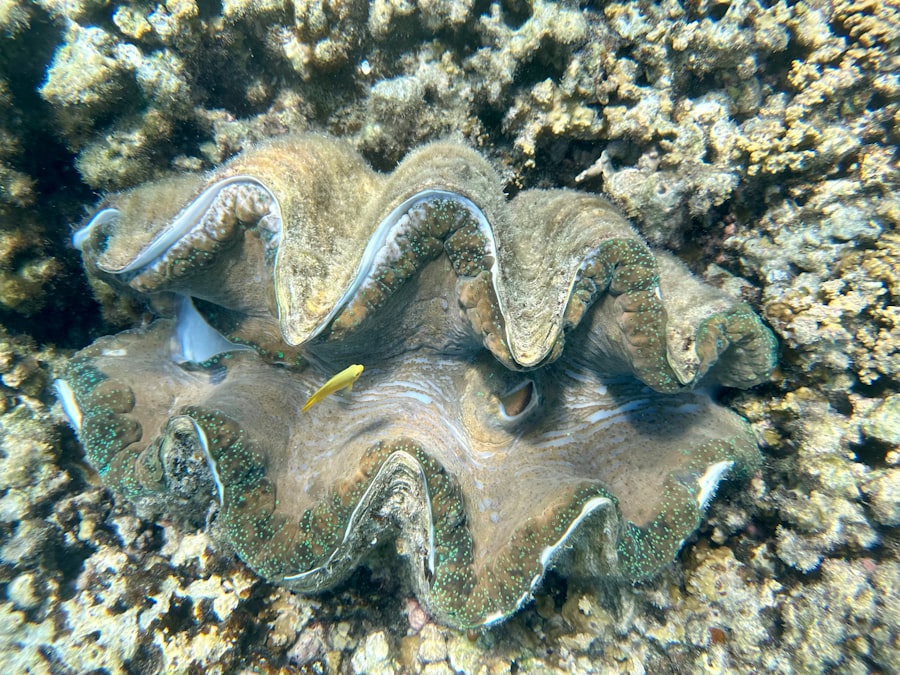
Cyzicus mexicanus serves as an important component of freshwater ecosystems due to its role in food webs and nutrient cycling. As a primary consumer, it occupies a critical position by converting primary production (in the form of algae) into biomass that can be utilized by higher trophic levels, including fish and amphibians. This makes clam shrimp an essential food source for various predators within their habitat.
Moreover, the activities of Cyzicus mexicanus contribute to sediment turnover and nutrient recycling within temporary ponds and wetlands. By feeding on detritus and organic matter, they help break down complex materials into simpler forms that can be utilized by other organisms in the ecosystem. This process enhances overall productivity and supports a diverse array of life forms that depend on these dynamic environments.
Threats and Conservation Efforts for Cyzicus mexicanus
Despite its ecological significance, Cyzicus mexicanus faces several threats primarily linked to habitat loss and environmental degradation. Urbanization, agricultural expansion, and climate change have led to the destruction of temporary ponds and wetlands where these organisms thrive. The alteration of hydrological patterns can result in reduced availability of suitable habitats for clam shrimp, jeopardizing their populations.
Additionally, public awareness campaigns can help highlight the importance of these ecosystems and promote sustainable practices that mitigate human impact on freshwater habitats.
Opportunities for Further Research on Cyzicus mexicanus
The study of Cyzicus mexicanus presents numerous opportunities for further research across various scientific disciplines. Ecologists may explore its role in nutrient cycling more deeply or investigate how changes in environmental conditions affect its population dynamics. Given the ongoing challenges posed by climate change, understanding how this species adapts to shifting habitats could provide valuable insights into resilience mechanisms among aquatic organisms.
Furthermore, genetic studies could reveal more about the evolutionary history and diversity within populations of Cyzicus mexicanus. Investigating its reproductive strategies could also yield important information about how this species copes with environmental stressors. As researchers continue to uncover the complexities surrounding this intriguing organism, they will contribute significantly to our understanding of freshwater ecosystems and their conservation needs.
Clam shrimp, specifically Cyzicus mexicanus, are fascinating crustaceans that inhabit temporary freshwater pools. These unique creatures are known for their ability to survive in ephemeral environments, making them a subject of interest for researchers studying aquatic life in fluctuating habitats. For more information on similar aquatic species and their adaptations, you can explore a related article on the Animal Kingdom website. Visit their homepage to discover a wealth of information about various animal species and their ecosystems.
FAQs
What is a Clam Shrimp (Cyzicus mexicanus)?
Clam shrimp (Cyzicus mexicanus) is a species of small freshwater crustaceans that belong to the family Cyzicidae. They are known for their unique appearance and behavior.
Where are Clam Shrimp (Cyzicus mexicanus) found?
Clam shrimp (Cyzicus mexicanus) are found in freshwater habitats such as temporary ponds, marshes, and vernal pools. They are commonly found in North and Central America.
What do Clam Shrimp (Cyzicus mexicanus) eat?
Clam shrimp (Cyzicus mexicanus) are filter feeders, meaning they feed on small particles and microorganisms in the water column. They use their specialized appendages to filter food from the water.
How do Clam Shrimp (Cyzicus mexicanus) reproduce?
Clam shrimp (Cyzicus mexicanus) reproduce through a unique process called parthenogenesis, where females produce offspring without fertilization by males. This allows them to rapidly increase their population in favorable conditions.
Are Clam Shrimp (Cyzicus mexicanus) endangered?
Clam shrimp (Cyzicus mexicanus) are not currently listed as endangered. However, their habitats are at risk due to human activities such as habitat destruction and pollution. Conservation efforts are important to protect their populations.