
Fascinating Fairy Shrimp: The Enigmatic Branchinecta lynchi
Fairy shrimp, belonging to the order Anostraca, are small, freshwater crustaceans that have captivated the interest of both scientists and nature enthusiasts alike. These delicate creatures are often found in temporary ponds and vernal pools, where they thrive in environments that may seem inhospitable to many other forms of life. Characterized by their elongated bodies and large, translucent antennae, fairy shrimp exhibit a unique beauty that belies their ecological significance.
Among the various species of fairy shrimp, Branchinecta lynchi stands out as a notable representative, particularly due to its status as a threatened species in certain regions of the United States. The enchanting appearance of fairy shrimp, with their graceful swimming motions and shimmering bodies, has led to their endearing nickname. They are often described as “living fossils,” as they have existed for millions of years, with some species dating back to the Triassic period.
Their evolutionary history is a testament to their resilience and adaptability, allowing them to survive in ephemeral habitats that are subject to seasonal changes. This article delves into the habitat, life cycle, feeding habits, ecological importance, adaptations, threats, and conservation efforts surrounding Branchinecta lynchi, providing a comprehensive overview of these fascinating crustaceans.
Key Takeaways
- Fairy shrimp are small, freshwater crustaceans that belong to the order Anostraca and are known for their delicate and graceful appearance.
- Branchinecta lynchi, a species of fairy shrimp, is found in temporary pools and wetlands across the southwestern United States and northern Mexico.
- Fairy shrimp have a unique life cycle, with eggs hatching into nauplius larvae, which then develop into adult shrimp before reproducing and laying eggs.
- Branchinecta lynchi feed on algae and detritus, and they are preyed upon by various aquatic insects, fish, and amphibians.
- Fairy shrimp play a crucial role in aquatic ecosystems, serving as food for many organisms and contributing to nutrient cycling.
Habitat and Distribution of Branchinecta lynchi
Branchinecta lynchi is primarily found in the western United States, particularly in California, Oregon, and Washington. Its preferred habitats are temporary ponds and vernal pools—seasonal wetlands that fill with rainwater during the winter and spring months but dry up during the summer. These unique ecosystems are characterized by their fluctuating water levels and varying salinity, creating a dynamic environment that supports a diverse array of organisms.
The fairy shrimp’s ability to thrive in such conditions is a remarkable adaptation that allows them to exploit resources that many other species cannot. The distribution of Branchinecta lynchi is closely tied to the availability of suitable habitats. These shrimp are often found in low-lying areas where water collects after rainfall, forming shallow pools that provide the necessary conditions for their life cycle.
However, the specific locations where they can be found are becoming increasingly limited due to urban development, agricultural practices, and climate change. As these ephemeral habitats are drained or altered, the populations of fairy shrimp face significant challenges, leading to concerns about their long-term survival.
Life Cycle and Reproduction of Fairy Shrimp
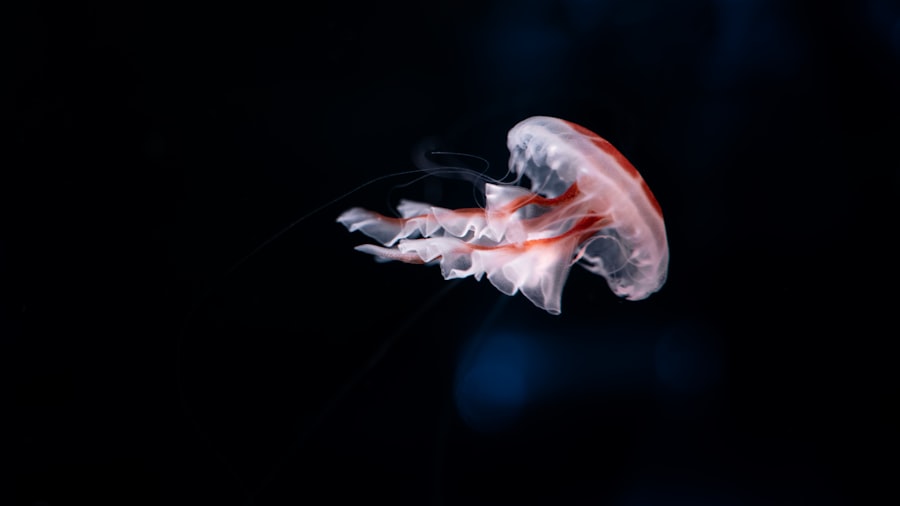
The life cycle of Branchinecta lynchi is intricately linked to the seasonal nature of its habitat. These shrimp begin their lives as dormant eggs, which can withstand desiccation and extreme environmental conditions. When the temporary ponds fill with water during the rainy season, the eggs hatch into nauplii—tiny larvae that are free-swimming and begin to feed on microscopic algae and organic matter present in the water.
This hatching process can occur within a matter of days or weeks, depending on water temperature and other environmental factors. As they grow, fairy shrimp undergo several molts, transitioning through various stages until they reach maturity. This rapid growth is essential for their survival, as the lifespan of Branchinecta lynchi is typically short—often lasting only a few weeks to a couple of months.
During this time, they engage in reproduction to ensure the continuation of their species. Mating occurs when males grasp females with specialized antennae, leading to fertilization. After mating, females produce cysts—encased embryos that can remain dormant until conditions are favorable for hatching.
This reproductive strategy allows fairy shrimp to persist through periods of drought and habitat loss.
Feeding and Predation of Branchinecta lynchi
| Feeding and Predation of Branchinecta lynchi | |
|---|---|
| Feeding Habits | Filter feeders, consuming algae, bacteria, and detritus |
| Predation | Preyed upon by various aquatic insects, fish, and amphibians |
| Feeding Rate | Can consume large amounts of food relative to their body size |
| Predation Impact | Significant impact on the population dynamics of their prey species |
Branchinecta lynchi primarily feeds on phytoplankton, detritus, and other microscopic organisms found in their aquatic environment. Their feeding mechanism involves using their large antennae to create water currents that draw food particles toward their mouths. This filter-feeding behavior is highly efficient in the nutrient-rich waters of temporary ponds, where organic matter accumulates as plants die off and decompose.
The ability to exploit these resources is crucial for their growth and reproduction. Despite their small size—typically measuring between 1 to 2 inches in length—fairy shrimp are not without predators. They face threats from various aquatic organisms such as fish, amphibians, and larger invertebrates that inhabit the same ecosystems.
The presence of these predators can significantly impact fairy shrimp populations, particularly in permanent water bodies where predation pressure is higher. In response to predation risks, fairy shrimp have developed behaviors such as swimming rapidly away from threats and utilizing their transparent bodies as a form of camouflage against potential predators.
Importance of Fairy Shrimp in Ecosystems
Fairy shrimp play a vital role in maintaining the health and balance of their ecosystems. As primary consumers, they contribute to the regulation of algal populations by feeding on phytoplankton and detritus. This feeding activity helps prevent algal blooms that can deplete oxygen levels in water bodies and harm other aquatic life forms.
By recycling nutrients within their habitats, fairy shrimp facilitate energy transfer through the food web, supporting a diverse array of organisms that rely on them for sustenance. Moreover, fairy shrimp serve as an important food source for various predators within their ecosystems. Birds, amphibians, and other aquatic animals depend on these crustaceans for nutrition during critical life stages.
Their decline can signal broader ecological issues that may affect other species within these habitats.
Adaptations and Unique Characteristics of Branchinecta lynchi
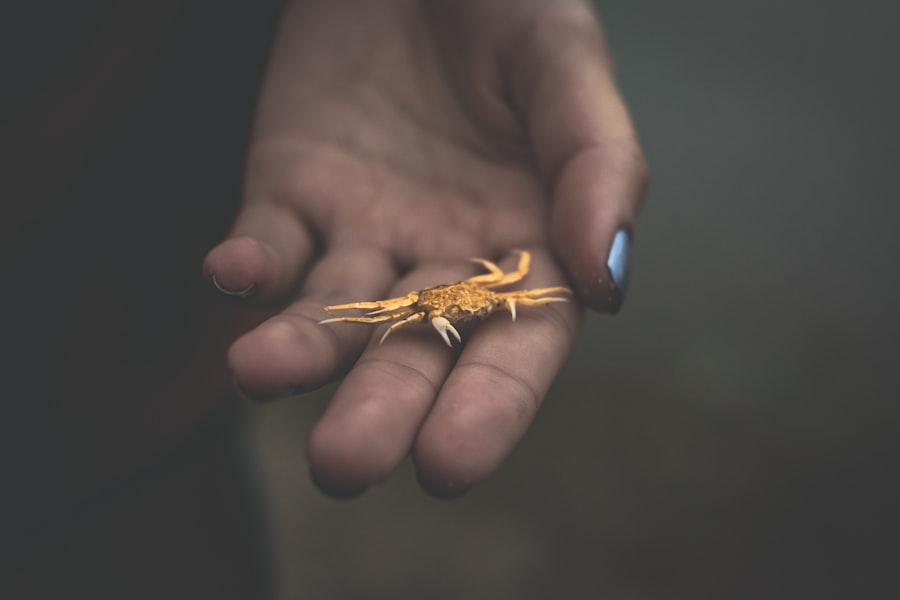
Branchinecta lynchi exhibits several unique adaptations that enable it to thrive in its ephemeral habitat. One of the most notable characteristics is its ability to produce dormant cysts that can withstand extreme environmental conditions. These cysts can remain viable for years or even decades in a desiccated state until they are rehydrated by water.
This adaptation is crucial for survival in environments where water availability is unpredictable. Additionally, fairy shrimp possess specialized appendages that aid in locomotion and feeding. Their long antennae not only help them navigate through the water but also serve as tools for capturing food particles.
The transparent body structure allows them to blend into their surroundings, providing an effective means of avoiding predation. Furthermore, their rapid growth rate enables them to complete their life cycle quickly before their habitats dry up—a remarkable evolutionary strategy that underscores their resilience.
Threats and Conservation Efforts for Fairy Shrimp
Despite their remarkable adaptations, Branchinecta lynchi faces numerous threats that jeopardize its survival. Habitat loss due to urbanization, agriculture, and land development has led to significant declines in suitable environments for these fairy shrimp. The draining of wetlands for agricultural purposes or construction projects disrupts their breeding grounds and reduces population sizes.
Additionally, climate change poses a growing threat by altering precipitation patterns and increasing the frequency of droughts. Conservation efforts aimed at protecting Branchinecta lynchi have gained momentum in recent years. Various organizations and governmental agencies have initiated programs focused on habitat restoration and protection.
These efforts include designating critical habitats as protected areas and implementing regulations to limit development near vernal pools. Public awareness campaigns also play a crucial role in educating communities about the importance of preserving these unique ecosystems and the species that inhabit them.
Studying and Observing Fairy Shrimp in the Wild
Studying fairy shrimp in their natural habitats provides valuable insights into their ecology and behavior. Researchers often conduct field studies during the rainy season when temporary ponds are filled with water and fairy shrimp populations are at their peak. Observations can include monitoring population dynamics, reproductive behaviors, and interactions with other species within the ecosystem.
Citizen science initiatives have also emerged as a means for enthusiasts to engage with fairy shrimp research. By participating in monitoring programs or contributing observations from local vernal pools, individuals can help gather data that informs conservation strategies. These collaborative efforts not only enhance scientific understanding but also foster a sense of stewardship among communities invested in protecting these fragile ecosystems.
In conclusion, fairy shrimp like Branchinecta lynchi represent a fascinating intersection of ecology and evolution within ephemeral habitats. Their unique adaptations allow them to thrive in challenging environments while playing essential roles in maintaining ecosystem health. As we continue to study these remarkable creatures and advocate for their conservation, we gain deeper insights into the intricate web of life that exists within our planet’s diverse ecosystems.
Fairy Shrimp (Branchinecta lynchi) are fascinating crustaceans that inhabit temporary pools of water, often appearing after rainfalls in vernal pools. These tiny creatures play a crucial role in their ecosystems, serving as a food source for various birds and amphibians. For more information on the diverse species within the animal kingdom, you can explore a related article on the Animal Kingdom website, which provides insights into various animal species and their unique habitats.
FAQs
What is a fairy shrimp?
Fairy shrimp are small, freshwater crustaceans that belong to the order Anostraca. They are known for their delicate, transparent bodies and graceful swimming movements.
Where are fairy shrimp found?
Fairy shrimp are found in temporary or seasonal freshwater habitats such as vernal pools, ponds, and marshes. They are commonly found in North America, but can also be found in other parts of the world.
What do fairy shrimp eat?
Fairy shrimp are filter feeders, meaning they feed on small particles and microorganisms in the water. They use their feathery appendages to create currents that bring food particles towards their mouth.
How do fairy shrimp reproduce?
Fairy shrimp reproduce through a process called “conchostracan reproduction,” in which females lay eggs that are then fertilized by males. The eggs can remain dormant for long periods of time until conditions are suitable for hatching.
Are fairy shrimp endangered?
Some species of fairy shrimp, including the Branchinecta lynchi, are considered to be endangered due to habitat loss and degradation. Conservation efforts are being made to protect their habitats and populations.