Hornet: The Mandarinia Menace
The Mandarinia hornet, scientifically known as Vespa mandarinia, has garnered significant attention in recent years due to its size and potential impact on ecosystems and human health. Commonly referred to as the Asian giant hornet, this species is native to East Asia and has been the subject of various studies and media reports, particularly following its introduction to North America. The hornet is notable for its impressive size, aggressive behavior, and potent venom, which can pose serious risks to those who encounter it. Understanding the biology and behavior of the Mandarinia hornet is crucial for managing its presence in non-native regions and mitigating its potential threats.
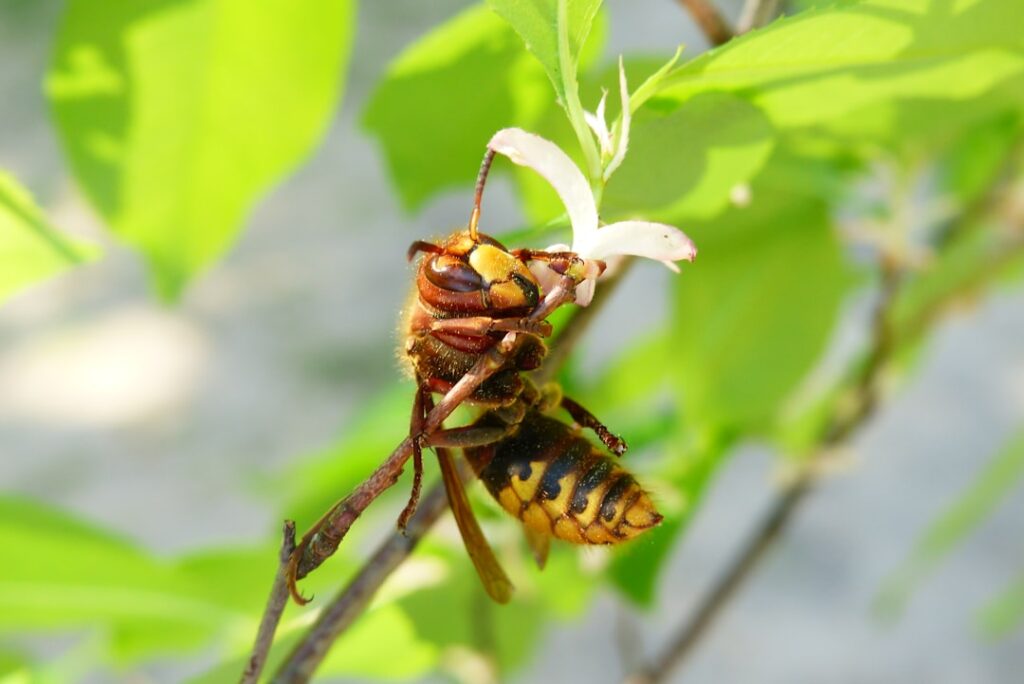
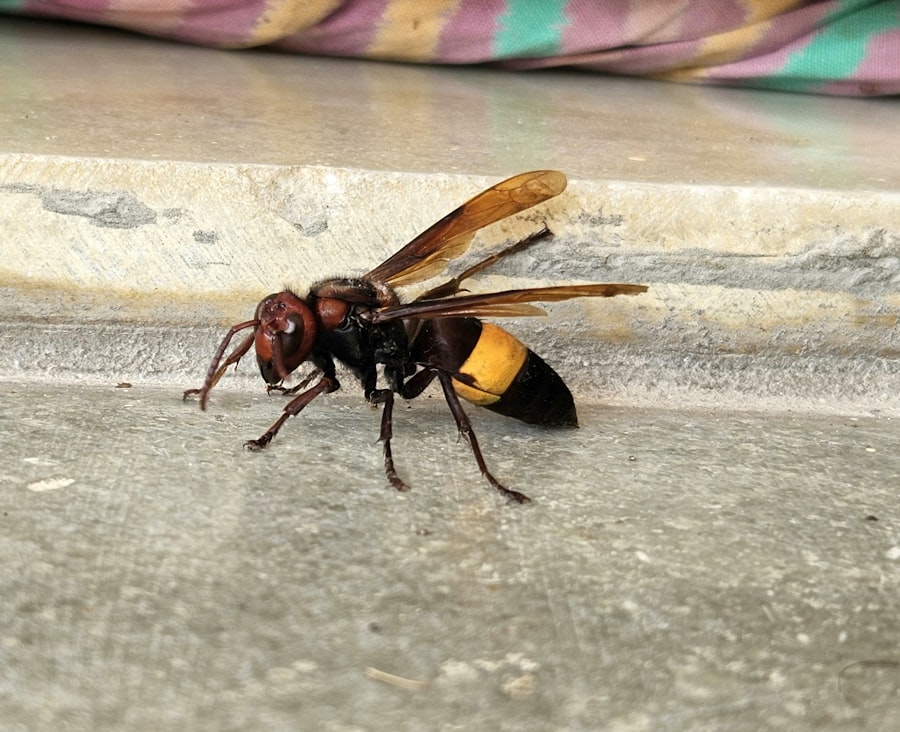
The Mandarinia hornet is often depicted as a formidable insect, with a body length that can reach up to 5 centimeters (about 2 inches) and a wingspan that can extend even further. Its striking appearance, characterized by a large, orange-yellow head and dark brown body, makes it easily distinguishable from other hornet species. As it continues to spread beyond its native habitat, awareness of its characteristics and behaviors becomes increasingly important for both public safety and ecological balance.
The Hornet (Vespa mandarinia), often referred to as the Asian giant hornet, has garnered significant attention due to its size and potential impact on local ecosystems. For those interested in learning more about this fascinating insect and its interactions with other species, a related article can be found at Animal Kingdom. This resource provides insights into the behavior, habitat, and ecological significance of the Hornet, making it a valuable read for enthusiasts and researchers alike.
Key Takeaways
- The Mandarinia Hornet is a distinctive and potentially dangerous insect species.
- It can be identified by unique physical characteristics detailed in the article.
- The hornet poses threats to ecosystems, humans, and pets in affected areas.
- Its geographic range is expanding, necessitating increased management efforts.
- Ongoing research and conservation aim to balance control measures with ecological impact.
Identifying Characteristics of the Mandarinia Hornet
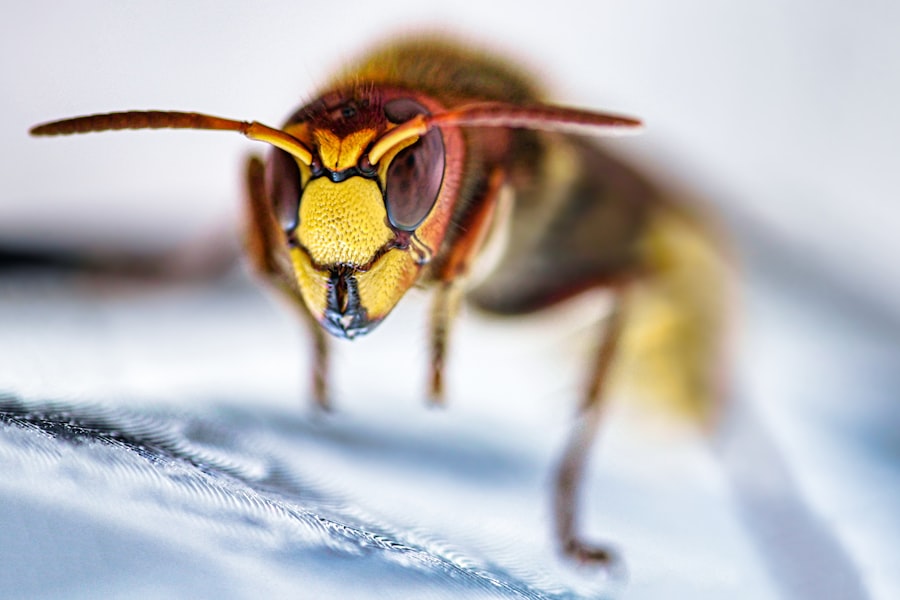
The Mandarinia hornet is distinguished by several key physical traits that set it apart from other hornets and wasps. One of the most notable features is its size; it is one of the largest hornet species in the world. Adult individuals typically measure between 4 to 5 centimeters in length, with queens being larger than workers. The hornet’s coloration is also distinctive, featuring a combination of orange and black hues. The head is particularly striking, with large compound eyes and prominent mandibles that are adapted for cutting through tough materials.
In addition to its size and coloration, the Mandarinia hornet exhibits specific behavioral traits that are important for identification. These hornets are social insects that live in colonies, which can consist of hundreds of individuals.
They are known for their aggressive defense of their nests, especially during late summer and early fall when they are most active.
Their flight patterns are also noteworthy; they can fly at speeds of up to 40 kilometers per hour (about 25 miles per hour), making them swift and agile in the air. Observing these characteristics can help individuals identify the Mandarinia hornet in the wild.
The Threat of the Mandarinia Hornet
The introduction of the Mandarinia hornet to new regions has raised concerns about its potential threats to local ecosystems and human populations. One of the primary issues is its predation on honeybees, which are vital pollinators in many agricultural systems. The hornet’s hunting behavior involves targeting honeybee colonies, where it can decimate populations in a short period.
This predation not only threatens honeybee survival but also poses risks to food production and biodiversity. In addition to ecological concerns, the Mandarinia hornet poses direct threats to human health. Its venom contains potent neurotoxins that can cause severe pain, allergic reactions, and in some cases, fatalities.
Reports of multiple stings from these hornets have highlighted the dangers they present, particularly for individuals who may be allergic to insect venom. The potential for aggressive encounters increases as these hornets defend their nests, making it essential for communities to be aware of their presence and take precautions.
Geographic Distribution of the Mandarinia Hornet
The native range of the Mandarinia hornet primarily includes parts of East Asia, such as Japan, China, Korea, and Taiwan. In these regions, the species has established itself within various habitats, including forests and agricultural areas. The hornet thrives in warm climates where it can find ample food sources and suitable nesting sites. Its ability to adapt to different environments has contributed to its success as a species in its native range.
In recent years, however, there have been reports of the Mandarinia hornet expanding its geographic distribution beyond its native territories. Notably, sightings have been confirmed in North America, particularly in the Pacific Northwest region of the United States and Canada. This expansion raises concerns about the potential establishment of populations in new areas where they could disrupt local ecosystems and threaten native species. Monitoring efforts are underway to track their spread and assess the implications for both agriculture and public health.
The Hornet, scientifically known as Vespa mandarinia, has garnered significant attention due to its unique characteristics and ecological impact. For those interested in learning more about this fascinating insect and its role in the ecosystem, you can explore a related article that delves into its behavior and habitat. Understanding these aspects can provide valuable insights into the balance of nature and the importance of various species. To read more about it, visit this informative article that offers a comprehensive overview.
Interactions with Humans and Pets
| Metric | Value | Details |
|---|---|---|
| Scientific Name | Vespa mandarinia | Also known as the Asian giant hornet |
| Common Name | Asian Giant Hornet | Often referred to as “murder hornet” |
| Size | 2 to 5 cm (0.8 to 2 inches) | Largest hornet species in the world |
| Wingspan | 4.5 to 7.6 cm (1.8 to 3 inches) | Measured from wingtip to wingtip |
| Sting Length | 6 mm | Longer than most other hornets and wasps |
| Venom Toxicity | High | Contains neurotoxins and cytolytic peptides |
| Colony Size | Several hundred to a few thousand | Varies by season and location |
| Geographic Range | East Asia, including Japan, China, Korea, Taiwan | Recently detected in parts of North America |
| Diet | Insects (especially honeybees), tree sap, fruit | Predatory behavior towards honeybee colonies |
| Flight Speed | Up to 40 km/h (25 mph) | Fast and agile flyer |
| Life Span | Several months (queen up to 1 year) | Worker hornets live shorter lives |
Interactions between humans and the Mandarinia hornet can lead to various outcomes, ranging from benign encounters to dangerous confrontations. In areas where these hornets have established themselves, people may inadvertently come into contact with them while gardening or engaging in outdoor activities. While most encounters do not result in stings, there is always a risk when individuals approach nests or provoke these insects.
Pets can also be affected by the presence of Mandarinia hornets. Dogs and cats that explore outdoor environments may encounter these hornets while playing or investigating their surroundings. If a pet disturbs a nest or provokes a hornet, it may suffer painful stings or allergic reactions similar to those experienced by humans. Pet owners should be vigilant about monitoring their animals’ behavior outdoors and take precautions to minimize interactions with these potentially dangerous insects.
The Hornet, scientifically known as Vespa mandarinia, has garnered significant attention due to its unique characteristics and ecological impact. For those interested in learning more about this fascinating insect and its role in the environment, a related article can provide deeper insights into its behavior and habitat. You can explore this further in the article about the ecological significance of hornets, which discusses their interactions within ecosystems and the importance of maintaining biodiversity.
Management and Control of the Mandarinia Hornet
Effective management and control strategies are essential for addressing the challenges posed by the Mandarinia hornet in non-native regions. One approach involves public education campaigns aimed at raising awareness about the species’ identification and behavior. By informing communities about how to recognize these hornets and avoid encounters, individuals can take proactive measures to protect themselves and their pets.
In addition to education, monitoring programs are crucial for tracking the spread of the Mandarinia hornet. These programs often involve setting traps designed to capture hornets while minimizing harm to non-target species. Once populations are detected, targeted removal efforts can be implemented to eliminate nests before they grow larger and pose greater risks. Collaboration between government agencies, researchers, and local communities is vital for developing effective management plans that address both ecological concerns and public safety.
Research and Conservation Efforts
Research on the Mandarinia hornet has intensified in response to its expanding range and potential impacts on ecosystems. Scientists are studying various aspects of its biology, including its reproductive habits, foraging behavior, and interactions with other species. Understanding these factors is essential for developing effective management strategies and predicting how this species may affect local environments.
Conservation efforts also play a role in addressing the challenges posed by the Mandarinia hornet. Protecting native pollinators like honeybees is critical for maintaining biodiversity and agricultural productivity. Initiatives aimed at conserving bee populations can help mitigate some of the negative impacts associated with the presence of the Mandarinia hornet. By fostering healthy ecosystems that support a variety of pollinators, researchers hope to create resilience against invasive species like this hornet.
Living with the Mandarinia Hornet
As awareness of the Mandarinia hornet continues to grow, it is essential for communities to adopt informed approaches to coexist with this species. While it poses certain risks, understanding its behavior and ecology can help mitigate potential threats. Public education initiatives can empower individuals to recognize these hornets and respond appropriately when encounters occur.
Ultimately, living with the Mandarinia hornet requires a balance between managing risks and appreciating the complexities of ecosystems. Ongoing research will provide valuable insights into how this species interacts with its environment and how best to address its presence in non-native regions. By fostering collaboration among researchers, policymakers, and local communities, it is possible to develop effective strategies that promote safety while preserving ecological integrity.
FAQs
What is a Hornet (Vespa mandarinia)?
The Hornet (Vespa mandarinia), also known as the Asian giant hornet, is the world’s largest hornet species. It is native to temperate and tropical East Asia and is known for its large size, distinctive yellow and black coloration, and potent sting.
Where are Hornet (Vespa mandarinia) typically found?
Hornet (Vespa mandarinia) is primarily found in East Asia, including countries such as Japan, China, Korea, and parts of Southeast Asia. They prefer forested areas and low mountains but can sometimes be found near human settlements.
What do Hornet (Vespa mandarinia) hornets eat?
These hornets are predators and primarily feed on other insects, including bees, which they hunt to feed their larvae. They also consume tree sap and fruit juices as part of their diet.
Are Hornet (Vespa mandarinia) stings dangerous to humans?
Yes, the sting of the Hornet (Vespa mandarinia) can be very painful and potentially dangerous. Their venom contains neurotoxins and can cause severe allergic reactions or even fatalities in rare cases, especially if multiple stings occur or if the person is allergic.
How do Hornet (Vespa mandarinia) hornets impact the environment?
Hornet (Vespa mandarinia) plays a role in controlling insect populations, but they can also negatively impact local bee populations, which are important pollinators. Their predation on honeybees can threaten beekeeping and local ecosystems where bees are vital.