
Managing Carpenter Ant Infestations: Camponotus pennsylvanicus
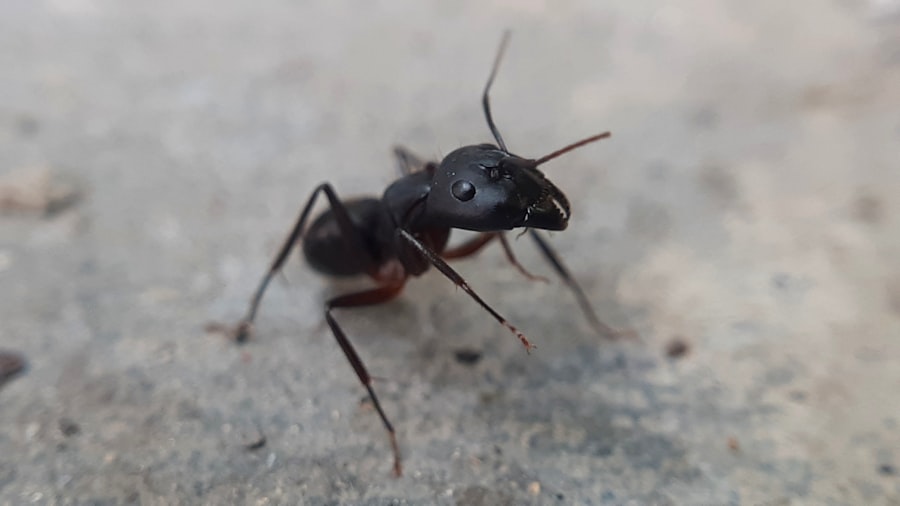
Carpenter ants, scientifically known as Camponotus pennsylvanicus, are among the largest ant species in North America. They can be identified by their size, typically ranging from 0.25 to 1 inch in length, and their distinctive coloration, which can vary from black to reddish-brown. Their bodies are characterized by a smooth, rounded thorax without spines, and they possess large mandibles that are well-adapted for excavating wood. The presence of a single node between the thorax and abdomen is another identifying feature of this species.
In addition to their physical characteristics, carpenter ants exhibit specific behaviors that can aid in identification. They are primarily nocturnal and tend to be more active during the night, foraging for food and establishing new colonies. Unlike termites, which consume wood, carpenter ants excavate it to create nests, often leaving behind fine wood shavings and frass. Observing these behaviors and signs can help homeowners determine if they are dealing with carpenter ants rather than other ant species.
Carpenter ants (Camponotus pennsylvanicus) are fascinating insects known for their wood-nesting habits, which can sometimes lead to structural damage in homes. For those interested in learning more about these intriguing creatures and their behavior, a related article can provide valuable insights into their ecology and management. You can read more about it in this informative piece: here.
Key Takeaways
- Carpenter ants, specifically Camponotus pennsylvanicus, are identifiable by their large size and black or reddish coloration.
- Common signs of infestation include sawdust-like frass, rustling noises in walls, and visible ant trails.
- Carpenter ants prefer moist or decayed wood and can cause structural damage by hollowing it out for nesting.
- Prevention involves reducing moisture, sealing entry points, and removing wood debris near the home.
- Control options range from natural remedies like essential oils to chemical treatments, with professional pest control recommended for severe infestations.
Signs of Carpenter Ant Infestations
Detecting a carpenter ant infestation early is crucial for effective management. One of the most common signs is the presence of sawdust-like material around wooden structures, which is actually wood shavings produced as the ants tunnel through the wood. This frass can accumulate near entry points or nesting sites, indicating that a colony may be nearby. Homeowners should also be vigilant for small holes in wooden surfaces, which serve as entry points for these ants.
Another indicator of an infestation is the sighting of the ants themselves. Carpenter ants are often seen foraging for food, especially during warmer months. They may travel in trails, making them easier to spot. Additionally, if you notice winged ants inside your home during spring or early summer, it could signify that a colony is present nearby, as these are reproductive individuals that leave the nest to mate and establish new colonies. Recognizing these signs early can help mitigate potential damage to wooden structures.
Understanding Carpenter Ant Behavior
Carpenter ants are social insects that live in colonies, which can range from a few dozen to several thousand individuals. Their colonies typically consist of a queen, workers, and sometimes winged reproductive ants. The queen is responsible for laying eggs, while worker ants perform various tasks such as foraging for food, caring for the young, and maintaining the nest.
Understanding this social structure is essential for addressing infestations effectively. These ants are omnivorous and have a diverse diet that includes proteins, sugars, and fats. They are particularly attracted to sources of moisture and decaying wood, which provide both food and nesting material.
Carpenter ants do not eat wood but rather excavate it to create their nests. This behavior can lead to significant structural damage over time if left unchecked.
Their preference for damp or decaying wood means that areas with water damage or high humidity levels are particularly susceptible to infestations.
Prevention Methods for Carpenter Ant Infestations
Preventing carpenter ant infestations requires a proactive approach to home maintenance and environmental management. One of the most effective methods is to eliminate sources of moisture around the home. This includes repairing leaks in plumbing, ensuring proper drainage around the foundation, and using dehumidifiers in damp areas such as basements or crawl spaces. By reducing moisture levels, homeowners can make their properties less attractive to carpenter ants.
Another important prevention strategy involves sealing potential entry points into the home. This includes caulking gaps around windows and doors, repairing cracks in walls or foundations, and ensuring that vents are properly screened. Additionally, removing wood debris from around the property, such as fallen branches or old stumps, can help reduce nesting sites for carpenter ants. Regular inspections of wooden structures can also aid in early detection of any potential issues before they escalate into infestations.
Carpenter ants, scientifically known as Camponotus pennsylvanicus, are fascinating insects that play a significant role in their ecosystems by helping to break down decaying wood. If you’re interested in learning more about these remarkable creatures and their behaviors, you might find this article on their nesting habits particularly insightful. For further information, you can check out the details in this related article. Understanding their role in nature can help us appreciate the complexity of our environment.
Natural Remedies for Carpenter Ant Control
| Metric | Details |
|---|---|
| Scientific Name | Camponotus pennsylvanicus |
| Common Name | Carpenter Ant |
| Size | 6 to 12 mm (workers), up to 20 mm (queens) |
| Color | Black or dark brown with reddish legs |
| Habitat | Wooded areas, inside dead or damp wood |
| Diet | Insects, honeydew, plant juices |
| Colony Size | Thousands of individuals |
| Life Span | Workers: 1-3 years; Queens: up to 7 years |
| Reproduction | Winged males and females swarm in spring for mating |
| Damage Potential | Excavates wood to build nests, can damage wooden structures |
For those seeking environmentally friendly options for controlling carpenter ants, several natural remedies can be effective. One popular method involves using diatomaceous earth, a fine powder made from fossilized algae that can be sprinkled in areas where ants are active. When ants come into contact with this substance, it damages their exoskeletons and leads to dehydration. This method is non-toxic to humans and pets but should be applied carefully to avoid harming beneficial insects.
Another natural remedy involves using essential oils known for their insect-repelling properties. Oils such as peppermint, tea tree, and citrus can be mixed with water and sprayed in areas where carpenter ants are observed. The strong scents of these oils can deter ants from entering the home while providing a pleasant aroma. Additionally, vinegar solutions can be used to clean surfaces where ants have been seen, as the strong smell disrupts their scent trails and may discourage them from returning.
Carpenter ants (Camponotus pennsylvanicus) are fascinating insects known for their unique nesting habits and significant role in the ecosystem.
These ants are often found in decaying wood, where they excavate tunnels to create their colonies.
If you’re interested in learning more about their behavior and habitat, you can check out this informative article on their life cycle and ecological impact. For further details, visit this link to explore more about these remarkable creatures.
Chemical Treatment Options for Carpenter Ant Infestations
In cases where natural remedies prove insufficient, chemical treatments may be necessary to manage carpenter ant infestations effectively. Various insecticides are available specifically designed for ant control. These products often contain active ingredients such as fipronil or hydramethylnon, which target the nervous system of the ants upon ingestion or contact. It is essential to follow label instructions carefully when applying these chemicals to ensure safety and effectiveness.
Baiting systems are another common chemical treatment option. These systems involve placing bait stations containing slow-acting insecticides near ant trails or nesting sites. Worker ants consume the bait and carry it back to the colony, where it is shared with other members, including the queen. This method allows for targeted control of the entire colony rather than just individual ants. Homeowners should exercise caution when using chemical treatments, especially in homes with children or pets.
Hiring a Professional Pest Control Service
When dealing with a significant carpenter ant infestation or if DIY methods have proven ineffective, hiring a professional pest control service may be the best course of action. Pest control experts have access to advanced tools and techniques that can effectively eliminate infestations while minimizing risks to occupants and pets. They can conduct thorough inspections to identify nesting sites and entry points that may not be apparent to homeowners.
Professional services also offer tailored treatment plans based on the specific needs of the property and the severity of the infestation. They can provide ongoing monitoring and maintenance services to prevent future infestations from occurring. Additionally, pest control professionals can educate homeowners on best practices for preventing carpenter ant problems in the future.
Maintaining a Carpenter Ant-Free Home
Once an infestation has been addressed, maintaining a carpenter ant-free home requires ongoing vigilance and proactive measures. Regular inspections of wooden structures should be conducted to identify any signs of damage or new activity early on. Homeowners should also continue implementing moisture control measures by promptly addressing leaks and ensuring proper ventilation in damp areas.
Furthermore, maintaining a clean environment both inside and outside the home is crucial in deterring carpenter ants. Keeping food stored securely and cleaning up spills promptly can reduce attractants for these pests. Outside, trimming back vegetation away from the foundation and removing any wood debris will help minimize potential nesting sites. By adopting these practices consistently, homeowners can significantly reduce the likelihood of future carpenter ant infestations and protect their property from damage.
FAQs
What is a Carpenter Ant (Camponotus pennsylvanicus)?
Carpenter Ants (Camponotus pennsylvanicus) are large ants commonly found in North America. They are known for their ability to excavate wood to create nests, but unlike termites, they do not eat the wood. Instead, they remove it to form galleries for their colonies.
Where are Carpenter Ants typically found?
Carpenter Ants are usually found in wooded areas, forests, and sometimes in homes or buildings where there is moist or decaying wood. They prefer damp environments because softened wood is easier for them to excavate.
How can you identify a Carpenter Ant?
Carpenter Ants are generally large, ranging from 6 to 12 mm in length, and are usually black or dark brown. They have a smooth, rounded thorax and a single node (petiole) between the thorax and abdomen, which helps distinguish them from other ant species.
Do Carpenter Ants cause damage to homes?
Yes, Carpenter Ants can cause structural damage by hollowing out wood to build their nests. While they do not consume the wood, their tunneling can weaken wooden structures over time, especially if the infestation is extensive and left untreated.
How can Carpenter Ant infestations be controlled or prevented?
Controlling Carpenter Ants involves locating and removing their nests, reducing moisture around the home, and sealing entry points. Professional pest control may be necessary for severe infestations. Preventative measures include repairing leaks, removing decayed wood, and maintaining proper ventilation to keep wood dry.