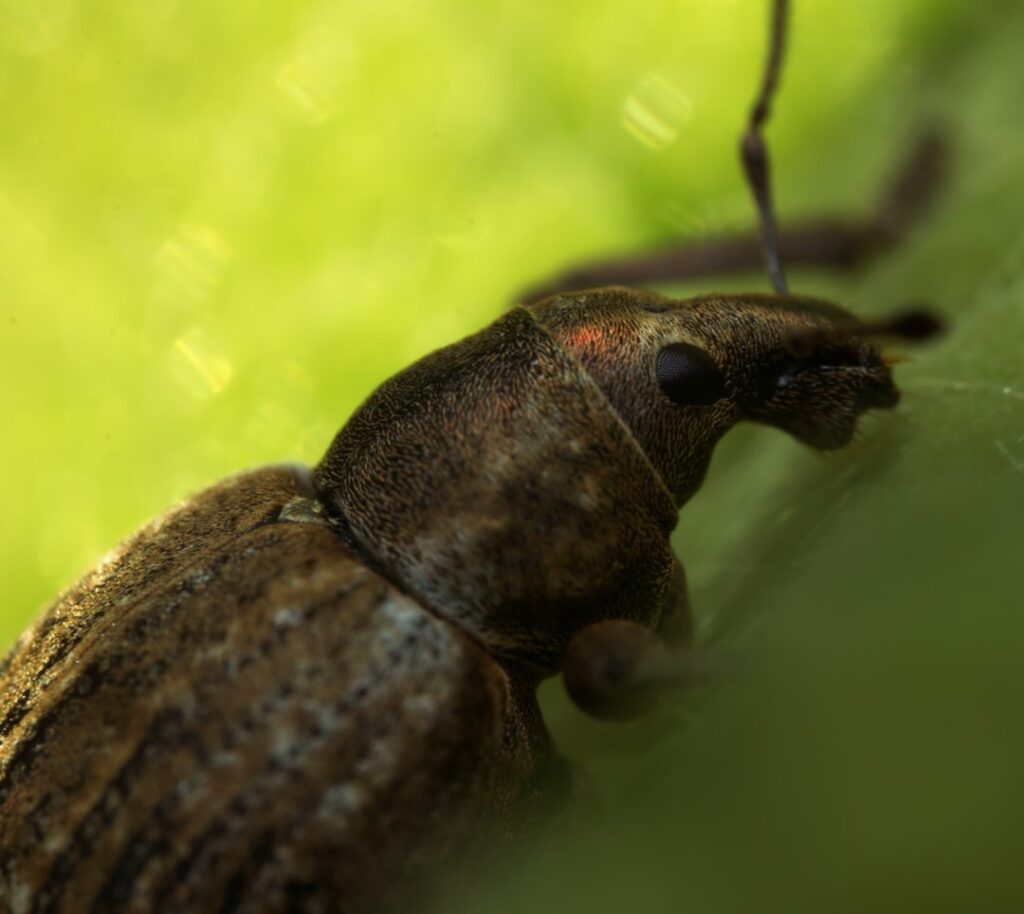
Mole Cricket: The Underground Invader
Mole crickets are fascinating insects that often go unnoticed due to their underground lifestyle. These creatures belong to the family Gryllotalpidae and are known for their unique adaptations that allow them to thrive in a subterranean environment. With their distinctive burrowing habits and intriguing behaviors, mole crickets play a significant role in their ecosystems. Understanding these insects is essential, especially for those involved in agriculture or pest management, as they can have both beneficial and detrimental effects on crops.
In this article, we will explore various aspects of mole crickets, including their physical characteristics, habitat, life cycle, feeding habits, and their impact on agriculture. We will also discuss effective control and management strategies for those who may encounter these insects in their gardens or fields. By the end, you’ll have a comprehensive understanding of mole crickets and their role in the environment.
The Mole Cricket (Gryllotalpa brachyptera) is a fascinating insect known for its burrowing habits and unique adaptations. For those interested in learning more about this intriguing species and its ecological role, you can check out a related article that delves into its behavior, habitat, and conservation status. To read more, visit this article.
Key Takeaways
- Mole crickets are subterranean insects known for their destructive feeding habits and unique burrowing behavior.
- They have a cylindrical body, large front legs for digging, and are primarily nocturnal, feeding on roots, grass, and other organic matter.
- Mole crickets are found in various habitats around the world, including grasslands, pastures, and agricultural fields.
- Their life cycle includes egg, nymph, and adult stages, with females laying eggs in the soil during the spring and summer months.
- Mole crickets are considered pests in agriculture, causing damage to crops and turf, and management strategies include biological control and insecticide applications.
Physical Characteristics and Behavior
Mole crickets are easily recognizable due to their unique physical features. They possess a robust body that can range from 1 to 2 inches in length, with a cylindrical shape that aids in their burrowing lifestyle. Their front legs are particularly adapted for digging; they are thick and spade-like, allowing them to tunnel through soil with ease. The hind legs are long and powerful, enabling them to jump when necessary, although they prefer to remain underground.
In terms of coloration, mole crickets typically exhibit shades of brown or tan, which helps them blend into their surroundings. This camouflage is crucial for avoiding predators. Behaviorally, mole crickets are nocturnal, emerging at night to mate or forage.
They are known for their distinctive chirping sounds, produced by males to attract females during the breeding season.
This vocalization is not only a means of communication but also serves as a territorial display.
Habitat and Distribution
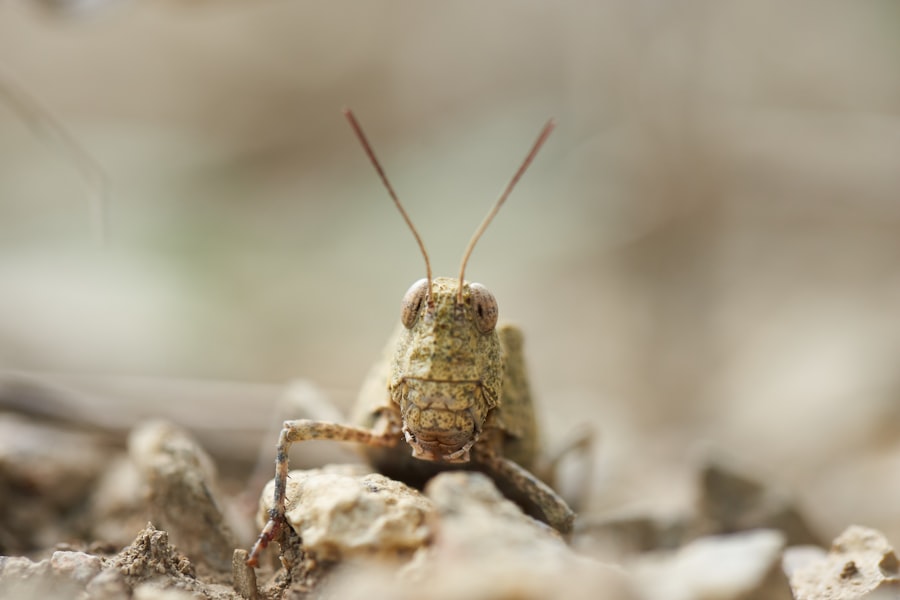
Mole crickets thrive in a variety of habitats, primarily favoring moist, sandy soils where they can easily dig and create extensive burrow systems. They are commonly found in grasslands, gardens, and agricultural fields. Their preference for well-drained soils makes them particularly prevalent in areas with good moisture retention, as this environment supports their life cycle and feeding habits.
Geographically, mole crickets are distributed across many regions worldwide, with different species adapted to specific climates.
In the United States, the southern mole cricket (Scapteriscus borellii) is one of the most common species found in the southeastern states.
These insects have adapted well to urban environments, often found in lawns and golf courses where they can cause significant damage if left unchecked.
Life Cycle and Reproduction
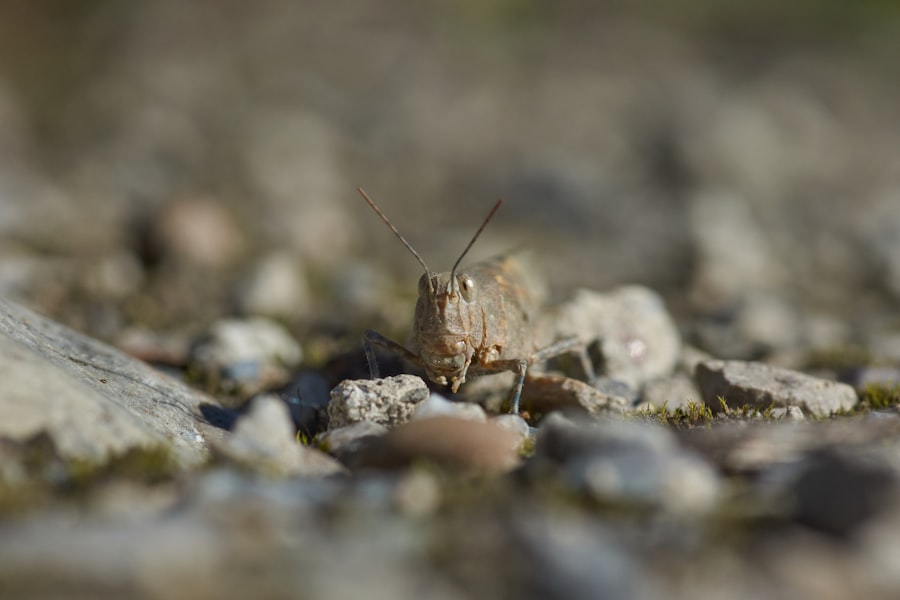
The life cycle of a mole cricket consists of three main stages: egg, nymph, and adult. The reproductive process begins when males attract females through their characteristic chirping sounds. After mating, females lay eggs in underground chambers, typically in late spring or early summer. A single female can lay hundreds of eggs at once, ensuring a high chance of survival for the next generation.
Once the eggs hatch, nymphs emerge and begin to develop through several molts before reaching adulthood. Nymphs resemble miniature adults but lack fully developed wings. This stage can last several weeks to months, depending on environmental conditions such as temperature and moisture levels. As they mature, nymphs continue to burrow and feed on organic matter in the soil until they reach adulthood, at which point they gain wings and become capable of flight.
The Mole Cricket (Gryllotalpa brachyptera) is a fascinating insect known for its burrowing habits and unique adaptations. If you’re interested in learning more about the diverse world of insects and their behaviors, you might find this related article on animal behavior insightful. It explores various aspects of how different species interact with their environments and each other, shedding light on the complexities of their lives. You can read more about it here.
Feeding Habits and Diet
| Aspect | Measurement |
|---|---|
| Scientific Name | Gryllotalpa brachyptera |
| Family | Gryllotalpidae |
| Habitat | Grasslands, gardens, and agricultural fields |
| Diet | Plant roots, seeds, and small invertebrates |
| Size | 3-5 cm in length |
| Behavior | Nocturnal and burrowing |
Mole crickets are omnivorous feeders with a diet that primarily consists of plant roots, decaying organic matter, and other small insects. Their burrowing behavior allows them to access a variety of food sources underground. They are particularly fond of grass roots and can cause significant damage to lawns and crops by feeding on these vital structures.
In addition to plant material, mole crickets also consume other insects and larvae found within their burrows. This opportunistic feeding behavior helps regulate pest populations in the soil ecosystem. However, when mole cricket populations become too high, their feeding can lead to severe damage to turfgrass and agricultural crops, making them a concern for farmers and gardeners alike.
Impact on Agriculture and Ecosystem
The impact of mole crickets on agriculture can be both positive and negative. On one hand, their burrowing activity aerates the soil, improving drainage and promoting root growth for plants. This natural tilling can enhance soil health and contribute to a more robust ecosystem. Additionally, by feeding on decaying organic matter and other pests, mole crickets can help maintain a balanced soil environment.
On the other hand, when mole cricket populations explode, they can become serious pests. Their feeding habits can lead to significant damage to crops such as corn, soybeans, and various grasses. In lawns and golf courses, they create unsightly tunnels that can result in dead patches of grass. Farmers often find themselves needing to implement control measures to mitigate the damage caused by these insects.
Control and Management Strategies
Managing mole cricket populations requires a combination of cultural practices and targeted control measures. One effective strategy is to maintain healthy soil conditions through proper irrigation and fertilization practices. Healthy plants are more resilient to pest damage and can better withstand the feeding habits of mole crickets.
If mole cricket populations become problematic, several control options are available. Biological control methods involve introducing natural predators or parasites that target mole crickets without harming beneficial insects. Additionally, insecticides specifically formulated for mole crickets can be applied during their active periods for effective population management.
Cultural practices such as regular lawn maintenance—mowing at appropriate heights and maintaining proper soil moisture—can also help deter mole crickets from establishing themselves in your garden or lawn.
Conclusion and Future Research
Mole crickets are intriguing insects that play complex roles within their ecosystems. While they can be beneficial by aerating soil and controlling pest populations, they also pose challenges for agriculture when their numbers grow unchecked. Understanding their biology and behavior is crucial for effective management strategies.
Future research into mole cricket behavior, life cycle dynamics, and ecological impacts will be essential for developing sustainable control methods that minimize harm to beneficial species while effectively managing pest populations. As we continue to learn more about these fascinating insects, we can better appreciate their role in our ecosystems and find ways to coexist with them while protecting our agricultural interests.
FAQs
What is a mole cricket (Gryllotalpa brachyptera)?
Mole crickets are insects that belong to the family Gryllotalpidae. They are known for their powerful front legs, which they use for burrowing underground. Mole crickets are found in various parts of the world, including North America, Europe, and Asia.
What do mole crickets look like?
Mole crickets have a cylindrical body with large, powerful front legs that are adapted for digging. They have wings, but they are not strong fliers. Mole crickets are typically brown or black in color and can grow to be around 1.5 inches in length.
What do mole crickets eat?
Mole crickets are omnivorous and feed on a variety of plant material, including roots, stems, and leaves. They also consume small insects and other invertebrates. Mole crickets are considered pests in agricultural settings due to their feeding habits.
Where do mole crickets live?
Mole crickets are primarily found in moist, sandy soils, where they burrow and create extensive tunnel systems. They are most active at night and are often attracted to artificial lights. Mole crickets are commonly found in grasslands, pastures, and agricultural fields.
What is the significance of mole crickets in the ecosystem?
Mole crickets play a role in the ecosystem by aerating the soil through their burrowing activities. However, they are also considered pests in agricultural and turfgrass settings due to their feeding habits, which can cause damage to crops and lawns.