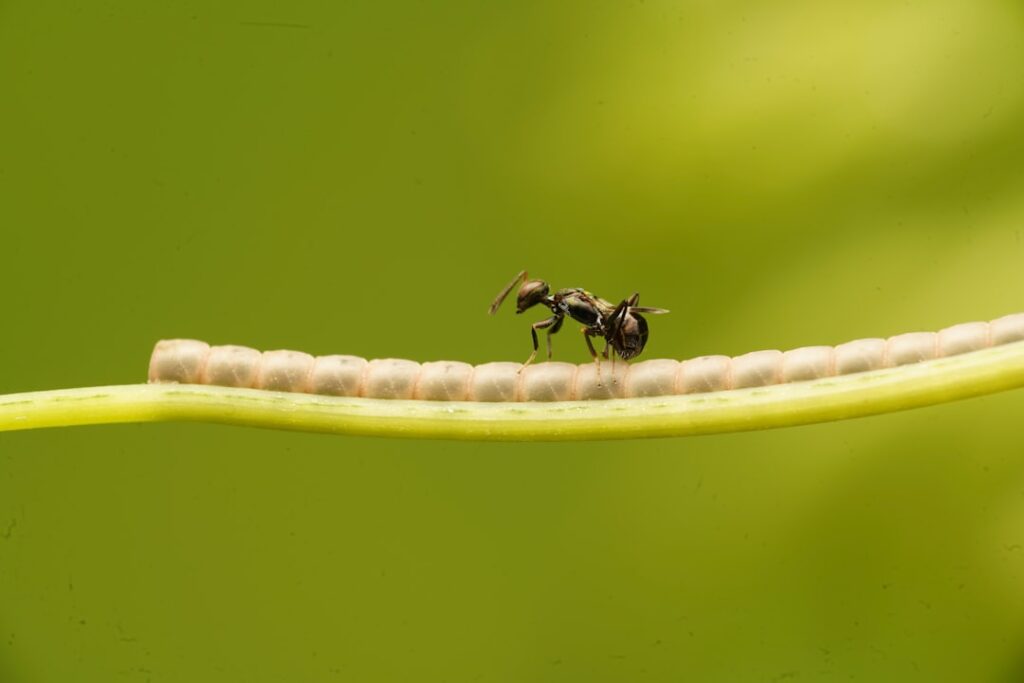
The Fascinating Weaver Ant: Oecophylla smaragdina
The weaver ant, belonging to the genus Oecophylla, is a remarkable insect known for its unique nesting behavior and complex social structure. These ants are primarily found in tropical and subtropical regions, where they play a significant role in their ecosystems. Weaver ants are particularly noted for their ability to construct nests by weaving together leaves using silk produced by their larvae. This behavior not only showcases their ingenuity but also highlights their adaptability to various environmental conditions.
Weaver ants are often recognized for their aggressive defense of their territory, which is essential for the survival of their colonies. They exhibit a range of behaviors that contribute to their success as a species, including cooperative foraging and sophisticated communication methods. Their ecological importance extends beyond their immediate environment, as they serve as both predators and prey within their ecosystems, influencing the population dynamics of other species.
Weaver ants (Oecophylla smaragdina) are fascinating insects known for their unique nesting behavior and cooperative social structure. A related article that delves deeper into the ecological significance and behavioral traits of these remarkable ants can be found at Animal Kingdom. This resource provides valuable insights into their role in the ecosystem, their interactions with other species, and their impressive ability to construct nests using silk produced by their larvae.
Key Takeaways
- Weaver ants are known for their unique nest-building behavior using leaves and silk.
- They primarily inhabit tropical and subtropical regions, especially in Asia and Australia.
- These ants exhibit distinct physical traits and complex social behaviors within their colonies.
- Their diet mainly consists of insects, and they play a crucial role in controlling pest populations.
- Conservation efforts focus on preserving their habitats and understanding their ecological impact.
Habitat and Distribution
Weaver ants are predominantly found in the tropical and subtropical regions of Africa, Asia, and Australia. Their preferred habitats include forests, plantations, and gardens, where they can easily access the leaves necessary for nest construction. These ants thrive in warm climates with high humidity, which supports their nesting and foraging activities. The presence of suitable tree species is crucial, as they rely on specific types of leaves to build their nests.
The distribution of weaver ants is closely linked to the availability of resources and suitable nesting sites. In Southeast Asia, for instance, they are commonly found in rubber and fruit plantations, where they help control pest populations. Their adaptability allows them to occupy a range of habitats, from dense rainforests to urban gardens, making them one of the more versatile ant species. However, habitat destruction and climate change pose significant threats to their populations, potentially impacting their distribution in the future.
Physical Characteristics and Behavior
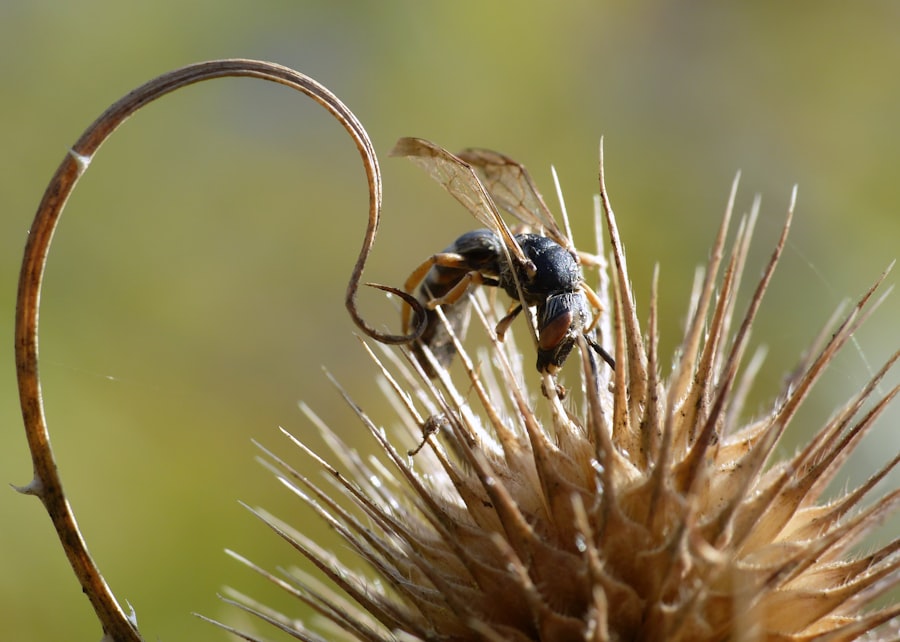
Weaver ants exhibit distinct physical characteristics that set them apart from other ant species. They are medium-sized ants with a slender body structure, typically ranging from 5 to 15 millimeters in length. Their coloration varies from bright green to yellowish-green, which helps them blend into their leafy surroundings.
The workers possess large mandibles that are essential for cutting leaves and defending the colony against intruders. Behaviorally, weaver ants are known for their cooperative nature. They work together to construct nests by pulling leaves together and using silk produced by their larvae to bind them.
This process requires coordination and communication among colony members, showcasing their advanced social organization. Additionally, weaver ants are highly territorial and will aggressively defend their nests from potential threats, employing both biting and chemical signals to deter intruders.
Diet and Foraging
The diet of weaver ants primarily consists of plant-based materials and small insects. They are omnivorous and have been observed feeding on nectar from flowers, honeydew produced by aphids, and various insects that they capture during foraging expeditions. This diverse diet allows them to thrive in various environments while also playing a role in controlling pest populations.
Foraging behavior in weaver ants is characterized by organized group activity. Workers communicate through pheromones to signal the presence of food sources and coordinate their efforts during foraging trips. They often form long chains or trails when moving between food sources and their nests, demonstrating a high level of cooperation. This efficient foraging strategy not only maximizes food intake but also strengthens the social bonds within the colony.
Weaver ants (Oecophylla smaragdina) are fascinating insects known for their unique nesting behavior and cooperative social structure. These ants are remarkable builders, using their silk to weave leaves together to create intricate nests high in trees. For those interested in learning more about the ecological significance and behavior of these ants, a related article can be found here: exploring their role in the ecosystem. Their ability to work together not only showcases their intelligence but also highlights the importance of teamwork in the animal kingdom.
Colony Structure and Social Organization
| Metric | Data / Description |
|---|---|
| Scientific Name | Oecophylla smaragdina |
| Common Name | Weaver Ant |
| Distribution | South and Southeast Asia, Australia |
| Colony Size | Up to 500,000 individuals |
| Worker Size | 6 to 12 mm in length |
| Diet | Predatory on insects, honeydew from sap-sucking insects |
| Nest Construction | Leaves stitched together using larval silk |
| Behavior | Highly territorial and aggressive |
| Role in Ecosystem | Biological pest control agent |
| Lifespan | Workers: several months; Queens: up to several years |
Weaver ant colonies are structured around a complex social hierarchy that includes a queen, workers, and sometimes males during the breeding season. The queen is responsible for reproduction, while the worker ants perform various tasks such as foraging, nest building, and caring for the young. This division of labor is crucial for the colony’s efficiency and survival.
The social organization of weaver ants is characterized by a high degree of cooperation among workers. They engage in tasks that benefit the colony as a whole rather than individual interests. For example, workers will often share food with one another through a process known as trophallaxis, reinforcing social bonds within the colony. This cooperative behavior is essential for maintaining colony health and ensuring the survival of all members.
Weaver ants, known scientifically as Oecophylla smaragdina, are fascinating creatures renowned for their unique nesting behavior and cooperative social structure. These ants are capable of creating intricate nests by weaving together leaves using their silk, produced by their larvae. For those interested in learning more about the ecological significance and behavior of these remarkable insects, you can explore a related article that delves into their role in the ecosystem. This article provides insights into their foraging strategies and interactions with other species, making it a valuable resource for anyone curious about the natural world. To read more, visit this link.
Weaver Ants and the Environment
Weaver ants play a vital role in their ecosystems by acting as both predators and prey. As predators, they help control populations of herbivorous insects, such as caterpillars and aphids, which can damage plants. Their presence can lead to healthier plant communities by reducing pest populations and promoting biodiversity. Additionally, they contribute to nutrient cycling through their foraging activities.
Moreover, weaver ants serve as prey for various birds and other predators within their habitats. This positions them as an integral part of the food web, supporting the survival of numerous species. Their nesting behavior also provides habitats for other organisms; for instance, abandoned nests can serve as homes for various insects and small animals after the colony has moved on.
Interactions with Humans
Weaver ants have had various interactions with humans throughout history. In some cultures, they are considered beneficial due to their pest control capabilities in agricultural settings. Farmers often encourage weaver ant populations in their fields to reduce reliance on chemical pesticides. Their ability to manage pest populations effectively makes them valuable allies in sustainable agriculture.
Conversely, there are instances where weaver ants can become a nuisance. Their aggressive nature can lead to conflicts with humans when they invade homes or gardens. In some regions, people have developed methods to deter these ants from entering living spaces while still appreciating their ecological contributions. Understanding these interactions is essential for fostering coexistence between humans and weaver ants.
Conservation Efforts and Future Research
As with many species, weaver ants face threats from habitat loss due to deforestation and urbanization. Conservation efforts aimed at preserving their natural habitats are crucial for maintaining healthy populations. Initiatives that promote sustainable land use practices can help protect these ants while also benefiting local ecosystems.
Future research on weaver ants may focus on understanding their ecological roles more deeply and exploring their potential applications in agriculture and pest management. Studies examining their social behavior, communication methods, and adaptability to changing environments could provide valuable insights into their biology and conservation needs. By enhancing our knowledge of weaver ants, we can better appreciate their contributions to biodiversity and ecosystem health while developing strategies to ensure their survival in an ever-changing world.
FAQs
What is the Weaver Ant (Oecophylla smaragdina)?
Weaver Ant (Oecophylla smaragdina) is a species of arboreal ant known for its unique nest-building behavior. These ants create nests by weaving together leaves using silk produced by their larvae, forming large, complex structures in trees.
Where are Weaver Ants commonly found?
Weaver Ants are primarily found in tropical and subtropical regions of Asia and Australia. They inhabit forested areas where they can build their nests in the canopy of trees.
How do Weaver Ants build their nests?
Weaver Ants build their nests by pulling leaves together and using the silk produced by their larvae to stitch the leaves into a secure, woven structure. Worker ants hold the leaves in place while larvae produce silk to bind them.
What is the diet of Weaver Ants?
Weaver Ants are omnivorous and primarily feed on small insects and other arthropods. They also tend to farm honeydew-producing insects like aphids and scale insects for a sugary food source.
Are Weaver Ants beneficial or harmful to humans?
Weaver Ants can be beneficial as natural pest controllers in agriculture due to their predation on harmful insects. However, they can also be aggressive and deliver painful bites if disturbed, which can be a nuisance to humans.