The Stunning Jewel Beetle: Chrysochroa fulgidissima
The Jewel Beetle, scientifically known as Chrysochroa fulgidissima, is a strikingly beautiful insect that belongs to the Buprestidae family. This family is often referred to as the metallic wood-boring beetles, and it encompasses a wide variety of species known for their iridescent colors and unique shapes. The Jewel Beetle, in particular, is celebrated for its vivid coloration, which can range from deep greens to brilliant blues and golds, making it a favorite among entomologists and collectors alike.
These beetles are not only visually captivating but also play significant roles in their ecosystems, contributing to the health of forests and woodlands. The allure of the Jewel Beetle extends beyond its aesthetic appeal; it serves as a fascinating subject for scientific research. The intricate patterns and colors of Chrysochroa fulgidissima have intrigued biologists and ecologists, prompting studies into their evolutionary adaptations and ecological significance.
As we delve deeper into the characteristics, habitat, life cycle, and conservation status of this remarkable beetle, we uncover the complexities of its existence and the challenges it faces in a rapidly changing world.
Key Takeaways
- The Jewel Beetle, also known as Chrysochroa fulgidissima, is a stunningly beautiful insect known for its metallic iridescence.
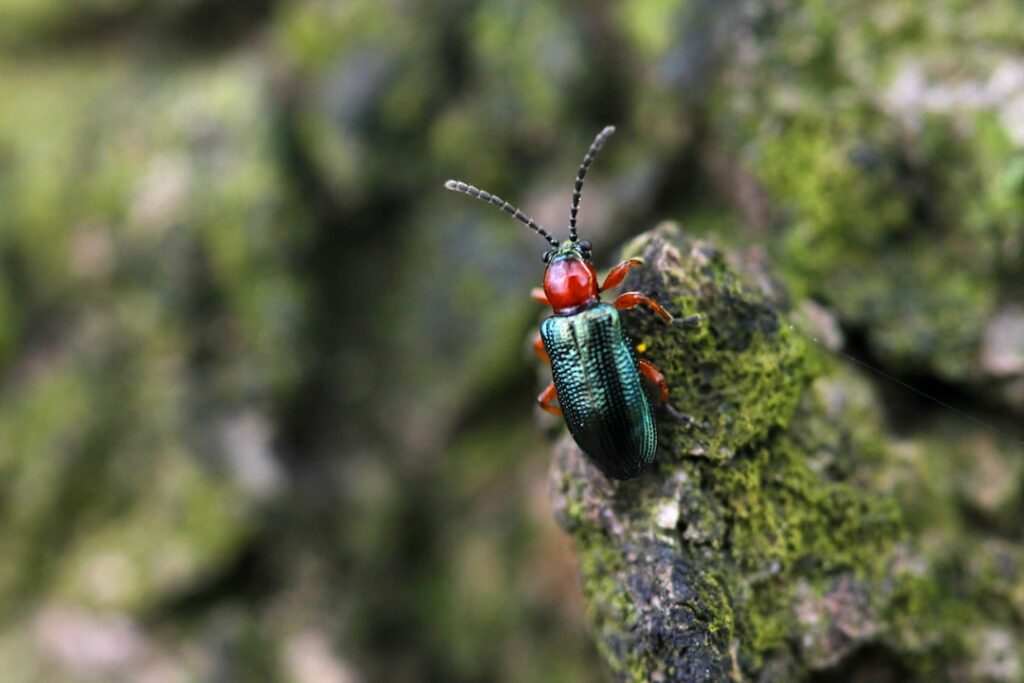
- Chrysochroa fulgidissima is characterized by its vibrant metallic colors, including shades of green, blue, and red, and its elongated body shape.
- The Jewel Beetle is found in various habitats across Asia, including forests and woodlands, and is known for its wide distribution in countries like Thailand, Malaysia, and Indonesia.
- The life cycle of Chrysochroa fulgidissima includes four stages: egg, larva, pupa, and adult, and it exhibits interesting behaviors such as mating and feeding on tree sap.
- The Jewel Beetle plays a crucial role in the ecosystem as a pollinator and decomposer, contributing to the health and balance of its natural habitat.
Physical Characteristics of Chrysochroa fulgidissima
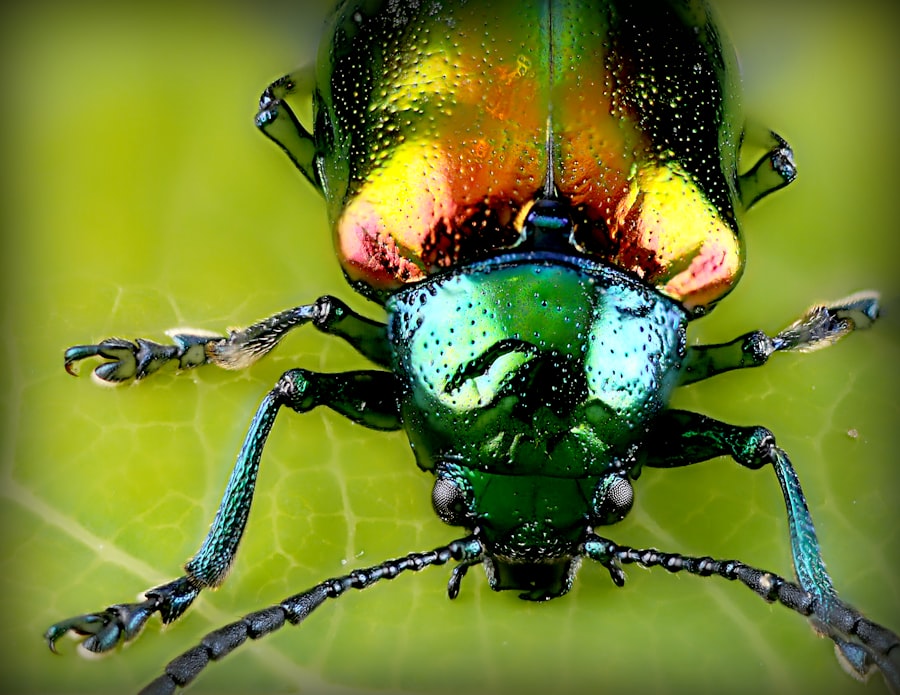
Chrysochroa fulgidissima is renowned for its striking physical attributes, which are primarily responsible for its common name, the Jewel Beetle. The adult beetles exhibit a glossy exoskeleton that reflects light in a way that creates a dazzling array of colors. This iridescence is due to microscopic structures on their cuticle that refract light, a phenomenon known as structural coloration.
The primary colors observed in these beetles include vibrant greens, blues, and golds, often with a metallic sheen that enhances their visual appeal. The size of these beetles typically ranges from 15 to 30 millimeters in length, with a robust body that is somewhat elongated and flattened. In addition to their striking coloration, Jewel Beetles possess distinctive morphological features that aid in their identification.
Their antennae are often long and slender, extending outward from the head, while their legs are adapted for climbing and navigating through their arboreal habitats. The elytra, or hardened forewings, are smooth and shiny, providing protection to the delicate wings beneath. The intricate patterns on their bodies can vary significantly between individuals, with some displaying unique markings that can be used to differentiate between populations or subspecies.
These physical characteristics not only contribute to their beauty but also play crucial roles in their survival and reproduction.
Habitat and Distribution of the Jewel Beetle
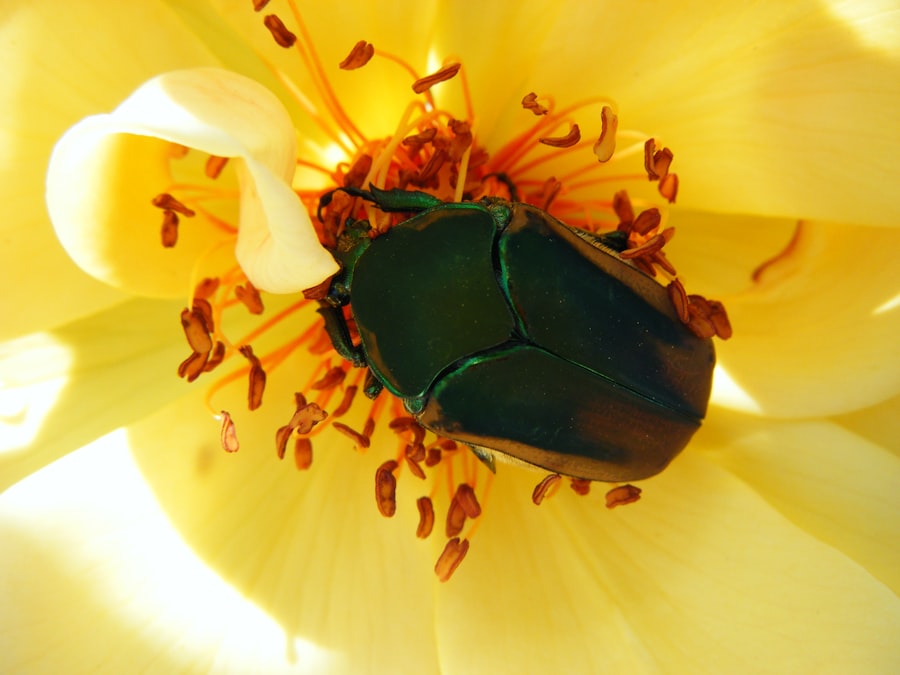
Chrysochroa fulgidissima is primarily found in temperate forests across various regions of Europe and Asia. Its preferred habitats include deciduous and mixed woodlands where it can thrive among a diverse array of tree species. The beetle is particularly associated with oak trees, which provide both food and breeding sites for larvae.
The presence of decaying wood is essential for the life cycle of these beetles, as the larvae bore into the wood to feed and develop. This relationship with specific tree species highlights the importance of forest ecosystems in supporting the life stages of Jewel Beetles. The distribution of Chrysochroa fulgidissima is influenced by environmental factors such as climate, soil type, and vegetation structure.
In Europe, they are commonly found in countries like Germany, France, and Italy, while populations in Asia extend into regions such as Japan and China. The adaptability of these beetles to various forest types allows them to occupy a range of ecological niches; however, they are sensitive to habitat degradation caused by deforestation and urbanization. As human activities continue to encroach upon natural habitats, understanding the distribution patterns of Jewel Beetles becomes increasingly important for conservation efforts.
Life Cycle and Behavior of Chrysochroa fulgidissima
| Life Cycle Stage | Duration |
|---|---|
| Egg | 2-4 weeks |
| Larva | 1-2 years |
| Pupa | 2-4 weeks |
| Adult | 2-4 weeks |
| Behavioral Traits | |
| Feeding | Adults feed on plant sap and nectar |
| Reproduction | Females lay eggs on host plants |
| Defense | Adults use bright colors for defense |
The life cycle of Chrysochroa fulgidissima is a fascinating process that begins with the mating rituals of adult beetles. Mating typically occurs during the warmer months when temperatures rise and food sources are abundant. After copulation, females lay eggs on or near suitable host trees, ensuring that the emerging larvae will have immediate access to food.
The eggs hatch into larvae that bore into the wood, where they spend several months feeding on the inner tissues of the tree. This wood-boring behavior not only provides nourishment but also offers protection from predators. As larvae mature, they undergo several molts before pupating within the wood.
The pupal stage can last several weeks to months, depending on environmental conditions such as temperature and humidity. Once fully developed, adult Jewel Beetles emerge from the wood through small exit holes, ready to begin the cycle anew. Their behavior is characterized by a strong affinity for light; adults are often seen basking in sunlight or attracted to artificial lights at night.
This phototropic behavior plays a crucial role in their mating strategies and dispersal patterns.
Importance of the Jewel Beetle in Ecosystem
Chrysochroa fulgidissima plays a vital role in forest ecosystems as both a decomposer and a food source for various predators. As larvae feed on decaying wood, they contribute to the breakdown of organic matter, facilitating nutrient cycling within the ecosystem. This process is essential for maintaining soil health and promoting plant growth.
By aiding in the decomposition of dead trees, Jewel Beetles help create habitats for other organisms, including fungi and microorganisms that thrive in decaying wood. Moreover, adult Jewel Beetles serve as prey for birds, mammals, and other insects, thus integrating them into the food web. Their presence indicates a healthy forest ecosystem; a decline in their populations can signal underlying environmental issues such as habitat loss or pollution.
Additionally, their unique coloration has implications for biodiversity; they attract various pollinators when they feed on nectar from flowering plants during their adult stage. This interaction further emphasizes their ecological significance beyond mere decomposition.
Threats and Conservation Efforts for Chrysochroa fulgidissima
Despite their ecological importance, Chrysochroa fulgidissima faces several threats that jeopardize its survival. Habitat destruction due to logging, urban development, and agricultural expansion poses significant risks to their populations. As forests are cleared or fragmented, the availability of suitable host trees diminishes, leading to declines in beetle numbers.
Additionally, climate change presents challenges by altering temperature and moisture levels within forest ecosystems, potentially disrupting the delicate balance required for their life cycles. Conservation efforts aimed at protecting Jewel Beetles focus on habitat preservation and restoration initiatives. Establishing protected areas within forests can help safeguard existing populations while promoting biodiversity conservation.
Furthermore, raising public awareness about the ecological roles of Jewel Beetles can foster community support for conservation initiatives. Engaging local communities in monitoring programs can provide valuable data on population trends and habitat conditions.
Human Interaction with the Jewel Beetle
Human interaction with Chrysochroa fulgidissima has evolved over time, reflecting both admiration for its beauty and concern for its conservation status. Collectors often seek out these beetles for their striking appearance, leading to increased interest in entomology among hobbyists and researchers alike. However, this collection can sometimes lead to overharvesting in certain areas if not managed sustainably.
Responsible collecting practices are essential to ensure that populations remain stable while allowing enthusiasts to appreciate these remarkable insects. Moreover, Jewel Beetles have found their way into cultural symbolism across various societies due to their vibrant colors and unique forms. In some cultures, they are regarded as symbols of beauty or transformation, inspiring art and folklore.
Educational programs that highlight the importance of insects like Chrysochroa fulgidissima can foster a greater appreciation for biodiversity among the public. By promoting understanding of their ecological roles and conservation needs, humans can play an active part in protecting these extraordinary beetles for future generations.
The Future of Chrysochroa fulgidissima
The future of Chrysochroa fulgidissima hinges on our ability to address the challenges posed by habitat loss and climate change while fostering sustainable practices that benefit both humans and wildlife. Continued research into their ecology and behavior will be crucial for developing effective conservation strategies tailored to their specific needs. As scientists uncover more about their life cycles and interactions within ecosystems, targeted efforts can be implemented to mitigate threats.
In addition to scientific research, collaboration among conservation organizations, governments, and local communities will be vital in ensuring the survival of Jewel Beetles. Initiatives aimed at restoring degraded habitats and promoting sustainable forestry practices can create environments conducive to their populations’ recovery. By recognizing the intrinsic value of Chrysochroa fulgidissima within our ecosystems and taking proactive measures to protect them, we can help secure a future where these stunning beetles continue to thrive amidst changing landscapes.
The Jewel Beetle (Chrysochroa fulgidissima) is renowned for its stunning iridescent colors and intricate patterns, making it a fascinating subject for entomologists and nature enthusiasts alike. For those interested in learning more about the broader implications of insect diversity and conservation, you can explore related topics in our article on the importance of biodiversity in ecosystems. Check it out here: About Us.
FAQs
What is a Jewel Beetle (Chrysochroa fulgidissima)?
Jewel Beetle (Chrysochroa fulgidissima) is a species of beetle belonging to the Buprestidae family. It is known for its iridescent and metallic coloration, which gives it a jewel-like appearance.
Where are Jewel Beetles found?
Jewel Beetles are native to Southeast Asia, including countries such as Thailand, Malaysia, and Indonesia. They are often found in tropical forests and are known for their bright colors and unique patterns.
What do Jewel Beetles eat?
Jewel Beetles are known to feed on the sap and wood of various tree species. They are often found on dead or dying trees, where they lay their eggs and their larvae feed on the decaying wood.
Are Jewel Beetles harmful to humans?
Jewel Beetles are not harmful to humans. They do not bite or sting, and they are not known to transmit any diseases. However, they can be considered pests in some cases, as their larvae can cause damage to timber in certain environments.
What is the significance of Jewel Beetles?
Jewel Beetles are valued for their striking appearance and are often collected for their beauty. They are also important in their natural ecosystems, where they play a role in the decomposition of dead wood and the recycling of nutrients. Additionally, they are studied by scientists for their unique coloration and ecological interactions.