
The Terrifying Tarantula Hawk Wasp: Nature’s Fierce Predator
The Tarantula Hawk Wasp, belonging to the family Pepsidae, is a remarkable insect that captures the imagination of entomologists and nature enthusiasts alike. Found primarily in tropical and subtropical regions, these wasps are known for their striking appearance and unique behaviors. Their name derives from their predilection for hunting tarantulas, which they paralyze and use as living hosts for their larvae. This fascinating relationship between predator and prey highlights the complex dynamics of ecosystems where these wasps thrive.
Despite their fearsome reputation, Tarantula Hawk Wasps are not aggressive towards humans unless provoked. Their role in the environment is significant, as they help control tarantula populations and contribute to the balance of their habitats. Understanding the biology and behavior of these wasps provides insight into their ecological importance and the intricate web of life in which they play a part.
The Tarantula Hawk Wasp (Pepsis grossa) is known for its incredible size and painful sting, making it one of the most fascinating insects in the animal kingdom. For those interested in learning more about the unique behaviors and characteristics of this remarkable wasp, you can read a related article that delves into its life cycle and ecological significance. To explore further, visit this article.
Key Takeaways
- The Tarantula Hawk Wasp is a large, solitary wasp known for its unique hunting behavior and potent sting.
- With metallic blue-black bodies and bright orange wings, Tarantula Hawk Wasps are easily recognizable in their desert habitats.
- These wasps hunt tarantulas as food for their larvae, using their powerful sting to paralyze the spider before laying an egg on its body.
- The sting of the Tarantula Hawk Wasp is one of the most painful insect stings, but it is not aggressive towards humans unless provoked.
- Despite their intimidating reputation, Tarantula Hawk Wasps play a vital role in controlling tarantula populations and are important contributors to their ecosystems.
Physical Characteristics and Behavior
Tarantula Hawk Wasps are easily identifiable due to their large size and distinctive coloration. Adult wasps can reach lengths of up to two inches, with some species exhibiting vibrant blue or orange hues. Their long, slender bodies are equipped with powerful wings that allow for agile flight, while their long antennae help them navigate through their surroundings. The combination of size and color makes them stand out in the environments they inhabit.
Behaviorally, these wasps exhibit intriguing patterns, particularly during mating and hunting. Males are often seen engaging in aerial displays to attract females, showcasing their agility and strength. Once a female has mated, she embarks on her solitary quest to find a tarantula. This process involves a meticulous search, as she must locate a suitable host for her eggs. Upon finding a tarantula, the female will engage in a dramatic confrontation, using her speed and agility to subdue the spider before delivering a paralyzing sting.
Hunting and Prey
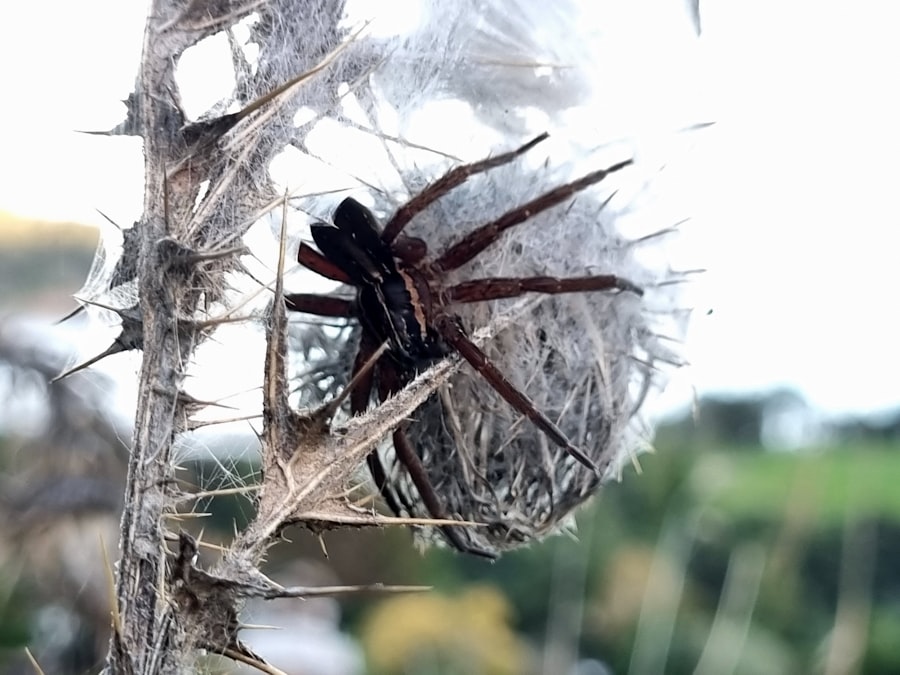
The hunting strategy of the Tarantula Hawk Wasp is both efficient and fascinating. After locating a tarantula, the female wasp employs a combination of speed and precision to capture her prey. She typically targets larger species of tarantulas, which provide ample nourishment for her developing larvae.
The wasp’s sting is not only painful but also serves to immobilize the spider, rendering it helpless while she prepares for the next stage of her reproductive cycle. Once the tarantula is subdued, the female lays her eggs on or inside the spider’s body. This parasitic relationship ensures that the larvae have a fresh food source upon hatching.
The wasp’s choice of prey is critical; it must be large enough to sustain her offspring but not so large that it poses a threat to her during the hunting process. This delicate balance showcases the wasp’s evolutionary adaptations and highlights its role as a predator within its ecosystem.
Sting and Venom
The sting of the Tarantula Hawk Wasp is infamous for its intensity. While it is not lethal to humans, it is often described as one of the most painful insect stings one can experience. The venom contains compounds that cause immediate pain and discomfort, which can last for several hours. This potent sting serves multiple purposes: it incapacitates prey and deters potential predators from attacking the wasp.
Interestingly, despite the pain associated with their sting, Tarantula Hawk Wasps are not aggressive creatures. They typically only sting when threatened or handled.
This behavior underscores their role as solitary hunters rather than social insects like bees or ants.
The pain inflicted by their sting is a defense mechanism that allows them to survive in a world filled with potential threats.
The Tarantula Hawk Wasp, scientifically known as Pepsis grossa, is renowned for its incredible sting, which is often described as one of the most painful in the insect world. This fascinating creature not only has a striking appearance but also plays a crucial role in controlling tarantula populations. To learn more about the unique behaviors and characteristics of this remarkable wasp, you can read a related article that delves into its life cycle and ecological significance. For more information, check out this detailed article.
Reproduction and Life Cycle
| Attribute | Measurement |
|---|---|
| Species | Tarantula Hawk Wasp (Pepsis grossa) |
| Size | 2 inches in length |
| Color | Black with bright orange wings |
| Habitat | Desert regions of the southwestern United States and Mexico |
| Prey | Paralyzes tarantulas with its sting and lays eggs on them |
| Sting | Considered one of the most painful insect stings |
The reproductive cycle of the Tarantula Hawk Wasp is a complex process that begins with mating rituals between males and females. After successful copulation, females seek out tarantulas to serve as hosts for their eggs. The choice of host is crucial; females must ensure that the tarantula is healthy enough to sustain their larvae but also manageable enough for them to subdue.
Once an egg is laid on or inside the paralyzed tarantula, it takes several days for it to hatch. The larvae then begin to feed on the spider’s body, consuming it from the inside out while it remains alive but incapacitated. This gruesome method of development ensures that the larvae have access to fresh nutrients until they are ready to pupate and eventually emerge as adult wasps. The entire life cycle can take several weeks to months, depending on environmental conditions and the availability of suitable hosts.
The Tarantula Hawk Wasp, scientifically known as Pepsis grossa, is renowned for its striking appearance and incredibly painful sting, which is often described as one of the most excruciating experiences in the insect world. For those interested in learning more about this fascinating creature and its unique behaviors, a related article can provide deeper insights into its life cycle and ecological role. You can explore this further by visiting this link for additional information.
Interactions with Humans
Tarantula Hawk Wasps have garnered attention from humans due to their striking appearance and painful sting. While encounters with these wasps can be alarming, they generally pose little threat unless provoked. Many people find them fascinating creatures, often observing them in their natural habitats without interference. Their role in controlling tarantula populations can be seen as beneficial from an ecological perspective.
In some cultures, these wasps are viewed with a mix of fear and respect. Their painful sting has led to various anecdotes and myths surrounding their behavior and capabilities. However, education about these insects can help demystify them and promote coexistence between humans and wildlife. Understanding their ecological role can foster appreciation rather than fear.
Conservation Status
The conservation status of Tarantula Hawk Wasps varies by species and region. While many populations remain stable due to their adaptability to different environments, habitat loss poses a significant threat to some species. Urbanization, agricultural expansion, and climate change can disrupt their natural habitats, leading to declines in local populations.
Conservation efforts aimed at preserving natural habitats can benefit not only Tarantula Hawk Wasps but also countless other species that share their ecosystems.
Protecting these environments ensures that the delicate balance of predator and prey remains intact, allowing for continued biodiversity.
Awareness campaigns can also help highlight the importance of these wasps in maintaining ecological health.
The Tarantula Hawk Wasp as a Vital Predator in Nature
In summary, the Tarantula Hawk Wasp is a remarkable insect that plays a crucial role in its ecosystem as a predator of tarantulas. Its unique hunting strategies, painful sting, and complex reproductive cycle illustrate the intricate relationships that exist within nature. While they may evoke fear due to their appearance and sting, understanding their ecological significance can foster appreciation for these fascinating creatures.
As we continue to explore the natural world, recognizing the importance of all species—including those that may seem intimidating—can lead to greater conservation efforts and a deeper understanding of biodiversity. The Tarantula Hawk Wasp serves as a reminder of nature’s complexity and the vital roles that even the most fearsome predators play in maintaining ecological balance.
FAQs
What is a Tarantula Hawk Wasp (Pepsis grossa)?
The Tarantula Hawk Wasp (Pepsis grossa) is a species of large, solitary wasp found in the southwestern United States, Central America, and South America. It is known for its distinctive blue-black body and bright orange wings.
What is the behavior of the Tarantula Hawk Wasp?
The Tarantula Hawk Wasp is known for its unique hunting behavior. The female wasp hunts tarantulas as food for its larvae. It stings the tarantula, paralyzing it, and then lays its eggs on the spider’s body. Once the eggs hatch, the wasp larvae feed on the still-living tarantula.
Is the Tarantula Hawk Wasp dangerous to humans?
While the Tarantula Hawk Wasp has a powerful sting, it is not particularly aggressive towards humans unless provoked. Its sting is considered one of the most painful insect stings, but it is not usually life-threatening to humans.
What is the ecological role of the Tarantula Hawk Wasp?
The Tarantula Hawk Wasp plays an important ecological role as a predator of tarantulas. By controlling tarantula populations, the wasp helps maintain balance in the ecosystem.
How can I protect myself from the Tarantula Hawk Wasp?
To avoid encounters with Tarantula Hawk Wasps, it is best to be aware of their presence in their natural habitat and to avoid disturbing them. If you do encounter one, it is best to remain calm and slowly move away to avoid provoking the wasp.