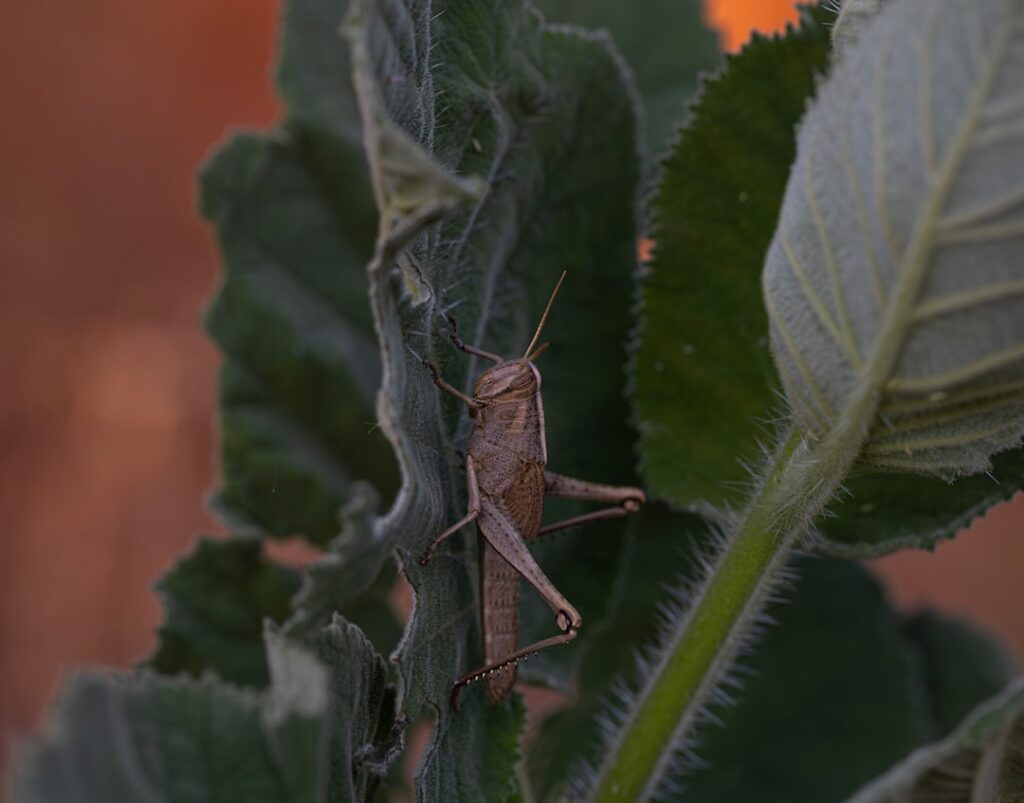
Uncovering the Spur-Throated Grasshopper: Melanoplus differentialis
The Spur-Throated Grasshopper, scientifically known as Melanoplus differentialis, is a fascinating insect that plays a significant role in its ecosystem. This grasshopper is easily recognizable due to its unique physical traits and behaviors. Found primarily in North America, it thrives in various habitats, making it a common sight in fields, meadows, and gardens. Understanding this species not only sheds light on its ecological role but also highlights the importance of grasshoppers in maintaining the balance of their environments.
Melanoplus differentialis is particularly interesting because of its adaptability and resilience. It can be found in diverse climates and terrains, which speaks to its evolutionary success. As we delve deeper into the characteristics, life cycle, and ecological significance of this grasshopper, we’ll uncover why it’s more than just a common insect; it’s a vital component of the ecosystems it inhabits.
The Spur-Throated Grasshopper (Melanoplus differentialis) is a fascinating species known for its distinctive morphology and behavior.
For those interested in learning more about the ecological role and characteristics of this grasshopper, a related article can be found at
This camouflage is crucial for avoiding birds and other predators that might see it as a meal.
Life Cycle and Reproduction of the Spur-Throated Grasshopper
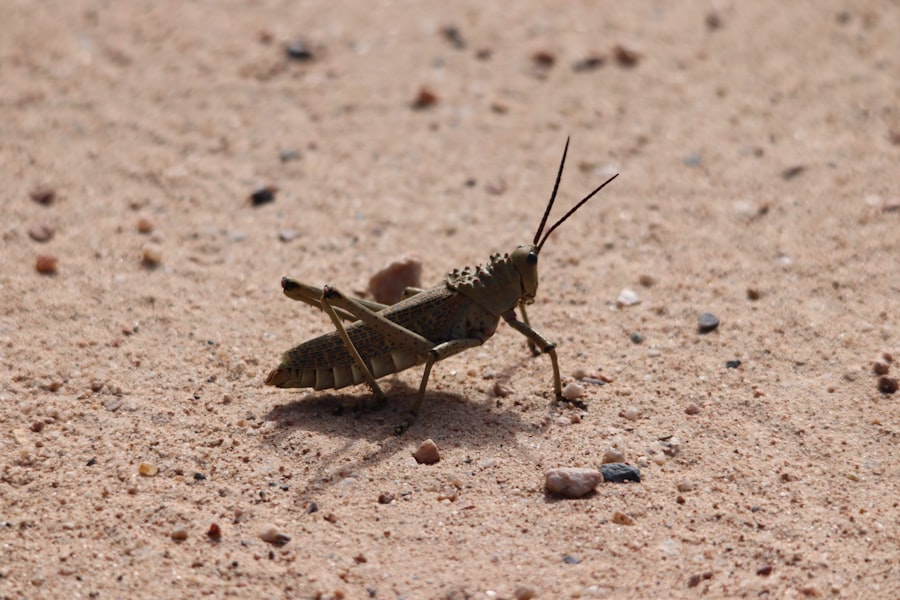
The life cycle of Melanoplus differentialis is typical of many grasshoppers, consisting of three main stages: egg, nymph, and adult. The reproductive process begins when females lay their eggs in the soil during late summer or early fall. These eggs are often deposited in clusters and can survive through the winter months, hatching when temperatures rise in spring.
This timing ensures that the nymphs emerge when food sources are plentiful. Once hatched, the nymphs go through several molts before reaching adulthood. This growth phase can take anywhere from a few weeks to a couple of months, depending on environmental conditions such as temperature and food availability.
During this time, nymphs resemble miniature versions of adults but lack fully developed wings. As they mature, they undergo a series of transformations that prepare them for their role in the ecosystem as adults.
Feeding Habits and Diet of Melanoplus differentialis
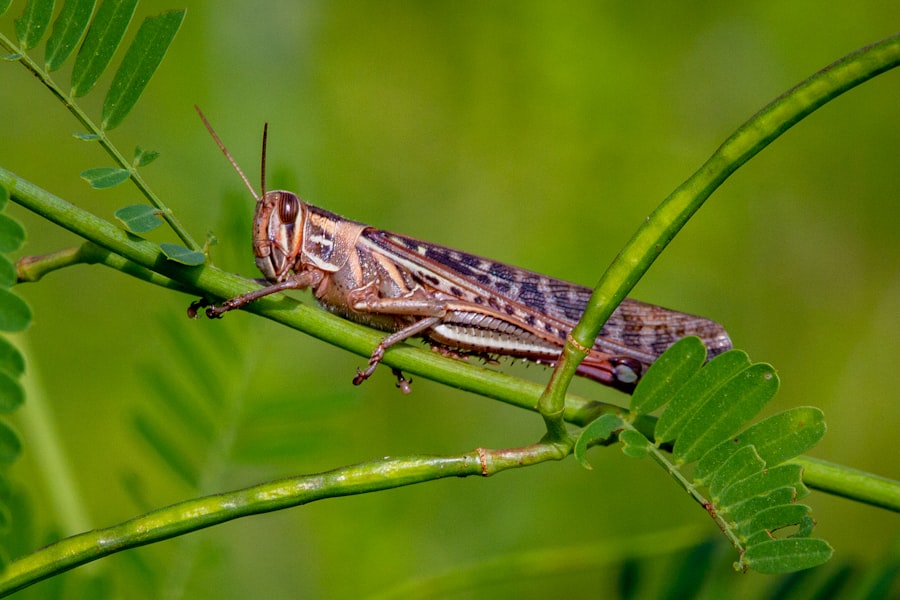
Melanoplus differentialis is primarily herbivorous, feeding on a variety of grasses and other vegetation. Its diet can include clover, dandelions, and various types of weeds, making it an important consumer in its habitat. The grasshopper uses its strong mandibles to chew through tough plant material, which allows it to thrive in areas where other herbivores might struggle.
Interestingly, the feeding habits of this grasshopper can have significant implications for plant communities. By consuming large amounts of vegetation, Melanoplus differentialis can influence plant growth patterns and biodiversity. In some cases, if populations become too dense, they may lead to overgrazing, which can alter the landscape and affect other species that rely on those plants for survival.
The Spur-Throated Grasshopper (Melanoplus differentialis) is a fascinating species known for its distinctive morphology and behavior. For those interested in learning more about various grasshopper species and their ecological roles, a related article can provide valuable insights. You can explore this further by visiting this link, which offers a comprehensive overview of grasshoppers and their habitats.
Behavioral Characteristics and Communication of the Spur-Throated Grasshopper
| Category | Metrics |
|---|---|
| Species Name | Spur-Throated Grasshopper (Melanoplus differentialis) |
| Habitat | Grasslands, meadows, and agricultural fields |
| Diet | Grasses, clover, and other vegetation |
| Lifespan | 1 year |
| Reproduction | Eggs laid in soil, hatch in spring |
Behaviorally, Melanoplus differentialis exhibits a range of interesting traits. One notable characteristic is its ability to jump long distances when threatened. This quick escape mechanism is crucial for survival in the wild, allowing it to evade predators effectively. Additionally, these grasshoppers are often seen basking in the sun during the day, which helps regulate their body temperature.
Communication among Spur-Throated Grasshoppers primarily occurs through sound. Males produce distinctive calls by rubbing their wings together—a behavior known as stridulation. These calls serve multiple purposes: attracting females during mating season and establishing territory against rival males. The sounds can vary in pitch and duration, adding a layer of complexity to their social interactions.
Importance and Impact of Melanoplus differentialis in Ecosystems
The Spur-Throated Grasshopper plays a crucial role in its ecosystem as both a herbivore and prey species. As herbivores, they help control plant populations and contribute to nutrient cycling within their habitats. By feeding on various plants, they facilitate growth by promoting new shoots and preventing any single species from dominating the landscape.
Moreover, Melanoplus differentialis serves as an essential food source for numerous predators, including birds, small mammals, and reptiles. This interconnectedness highlights the grasshopper’s role in maintaining biodiversity within its ecosystem. By supporting various trophic levels, it contributes to the overall health and stability of its environment.
Threats and Conservation Efforts for the Spur-Throated Grasshopper
Despite its adaptability, Melanoplus differentialis faces several threats that could impact its populations. Habitat loss due to urbanization and agricultural expansion poses significant challenges for this species. As natural habitats are converted into developed land or monoculture farms, the grasshopper’s food sources and shelter become increasingly scarce.
Conservation efforts aimed at protecting Melanoplus differentialis often focus on habitat preservation and restoration. Initiatives may include creating buffer zones around agricultural lands or promoting sustainable farming practices that minimize pesticide use. Additionally, raising awareness about the importance of grasshoppers in ecosystems can help garner support for conservation measures.
Studying and Observing Melanoplus differentialis in the Wild
For those interested in studying Melanoplus differentialis in its natural habitat, there are several approaches to consider. Observing these grasshoppers can be done through field studies during their active months in spring and summer. Researchers often use techniques such as sweep netting or visual surveys to collect data on population density and behavior.
Engaging with local naturalist groups or participating in citizen science projects can also enhance understanding of this species. These initiatives often encourage community involvement in monitoring local wildlife populations, providing valuable data that can inform conservation strategies. Whether you’re a seasoned entomologist or simply curious about nature, observing Spur-Throated Grasshoppers can be a rewarding experience that deepens your appreciation for these remarkable insects.
In conclusion, Melanoplus differentialis is more than just another grasshopper; it’s an integral part of our ecosystems with unique characteristics and behaviors worth exploring. From its physical traits to its ecological roles, understanding this species helps us appreciate the complexity of nature and the importance of preserving biodiversity for future generations.
FAQs
What is the Spur-Throated Grasshopper (Melanoplus differentialis)?
The Spur-Throated Grasshopper (Melanoplus differentialis) is a species of grasshopper found in North America. It is known for its distinctive spur-like projections on its hind legs, which give it its name.
What does the Spur-Throated Grasshopper eat?
The Spur-Throated Grasshopper is a herbivorous insect that feeds on a variety of plants, including grasses, clover, and other vegetation found in its habitat.
Where does the Spur-Throated Grasshopper live?
The Spur-Throated Grasshopper is commonly found in grasslands, meadows, and agricultural fields throughout North America. It prefers open areas with plenty of vegetation for feeding and breeding.
What are the physical characteristics of the Spur-Throated Grasshopper?
The Spur-Throated Grasshopper is typically brown or green in color, with a length of around 1 to 1.5 inches. It has long hind legs with distinctive spurs, and its wings are often shorter than its body.
What is the life cycle of the Spur-Throated Grasshopper?
The Spur-Throated Grasshopper undergoes incomplete metamorphosis, with three life stages: egg, nymph, and adult. The nymphs resemble the adults but are smaller and lack fully developed wings. The adults mate and lay eggs in the soil, and the cycle begins again.