The Great Green Bush-Cricket: A Fascinating Insect
The Great Green Bush-Cricket, scientifically known as Tettigonia viridissima, is a fascinating insect that captures the attention of both entomologists and nature enthusiasts alike. This large cricket, with its vibrant green coloration, is often found in gardens, meadows, and woodlands across Europe and parts of Asia. Its striking appearance and unique behaviors make it a subject of interest for those who study biodiversity and ecological interactions.
Understanding the Great Green Bush-Cricket is not just about appreciating its beauty; it also involves exploring its role in the ecosystem, its life cycle, and the challenges it faces in a changing environment. This article delves into various aspects of this remarkable insect, providing insights into its physical characteristics, habitat, diet, and more.
The Great Green Bush-Cricket (Tettigonia viridissima) is a fascinating insect known for its vibrant green coloration and unique chirping sounds. For those interested in learning more about this remarkable species and its habitat, you can explore a related article that delves into the characteristics and behaviors of various crickets. This article provides valuable insights into the ecological role of the Great Green Bush-Cricket and its significance in the ecosystem. To read more, visit this link.
Key Takeaways
- The Great Green Bush-Cricket is a large insect species found in Europe and Asia, known for its vibrant green color and distinctive song.
- This species is characterized by its long antennae, powerful hind legs for jumping, and ability to produce a loud, high-pitched song to attract mates.
- Great Green Bush-Crickets are commonly found in grassy areas, meadows, and woodland edges throughout their range, and are known for their excellent camouflage abilities.
- The life cycle of the Great Green Bush-Cricket includes an egg stage, several nymph stages, and a final adult stage, with mating and egg-laying occurring in late summer.
- These insects are herbivorous, feeding on a variety of plant materials including leaves, flowers, and grasses, and play a role in seed dispersal within their ecosystems.
Physical Characteristics and Behavior
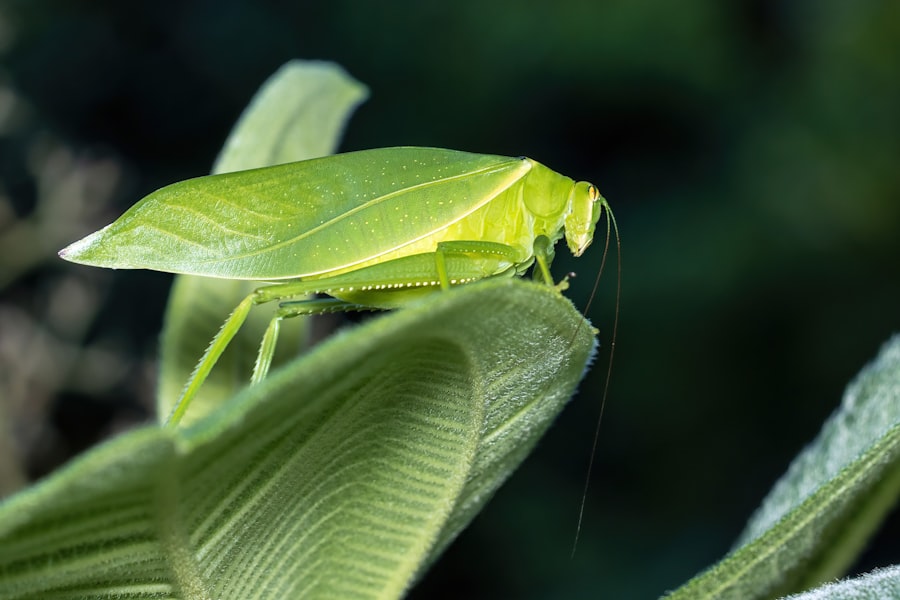
The Great Green Bush-Cricket is easily recognizable due to its impressive size and vivid coloration. Adults can reach lengths of up to 8 centimeters, making them one of the largest crickets in Europe. Their bodies are elongated and slender, adorned with long antennae that can be several times the length of their body. The bright green hue serves as excellent camouflage among foliage, helping them evade predators.
Behaviorally, these crickets are known for their distinctive song, which is produced by rubbing their wings together in a process called stridulation. Males are particularly vocal during the mating season, using their calls to attract females. The sound can be described as a series of rhythmic chirps that resonate through their habitats. Interestingly, their songs can vary in pitch and duration depending on environmental factors, such as temperature and humidity.
Habitat and Distribution
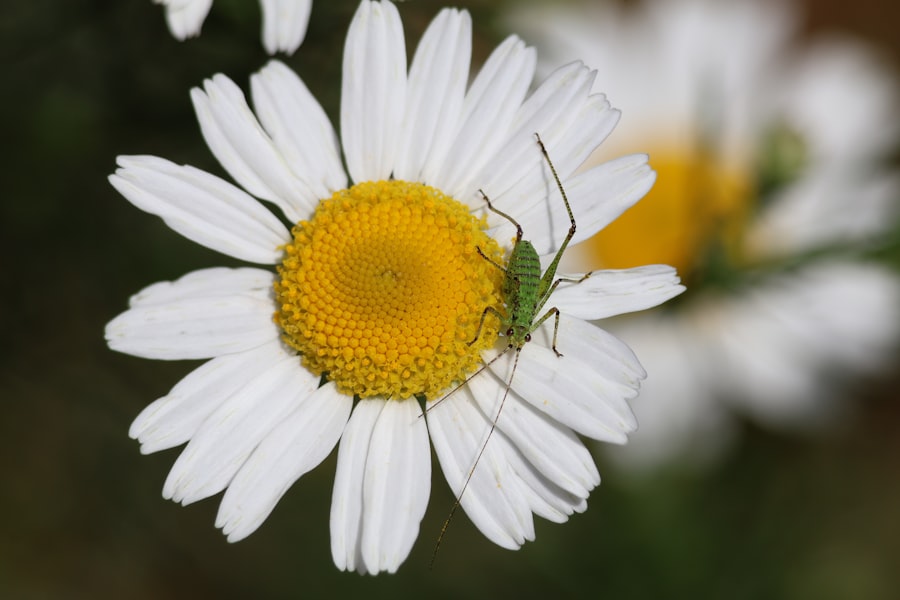
The Great Green Bush-Cricket thrives in a variety of habitats, including grasslands, hedgerows, and woodland edges. They prefer areas with dense vegetation where they can easily hide from predators while also having access to sunlight for warmth. These crickets are often found in regions with abundant plant life, as they rely on foliage for both shelter and food.
Geographically, the Great Green Bush-Cricket is primarily distributed across Europe, extending from the British Isles to parts of Eastern Europe and into Asia. They are particularly common in temperate climates where the conditions are favorable for their growth and reproduction. However, their distribution can be affected by changes in land use and climate, which may alter their preferred habitats.
Life Cycle and Reproduction
The life cycle of the Great Green Bush-Cricket consists of several stages: egg, nymph, and adult. Females lay their eggs in the soil or within plant stems during late summer to early autumn. The eggs remain dormant through the winter months, hatching in spring when temperatures rise and conditions become more favorable for growth.
Nymphs emerge from the eggs resembling miniature adults but lack fully developed wings. They undergo a series of molts, shedding their exoskeletons as they grow.
This process can take several weeks to months, depending on environmental conditions.
Once they reach maturity, they develop wings and begin to participate in mating rituals, continuing the cycle.
The Great Green Bush-Cricket, known scientifically as Tettigonia viridissima, is a fascinating insect that captivates many entomologists and nature enthusiasts alike. This remarkable species is often studied for its unique adaptations and behaviors in various habitats. For those interested in learning more about the ecological significance of crickets and their role in the environment, a related article can be found at this link. Exploring such resources can deepen our understanding of these intriguing creatures and their contributions to biodiversity.
Diet and Feeding Habits
| Category | Information |
|---|---|
| Species | Great Green Bush-Cricket (Tettigonia viridissima) |
| Size | Adults can reach up to 28-36 mm in length |
| Habitat | Found in grassy areas, hedgerows, and woodland edges |
| Diet | Primarily feeds on leaves, flowers, and other plant material |
| Behavior | Known for their loud and distinctive song produced by rubbing their wings together |
The Great Green Bush-Cricket is primarily herbivorous, feeding on a variety of plant materials. Their diet consists mainly of leaves, flowers, and stems from grasses and other vegetation. They have strong mandibles that allow them to chew through tough plant fibers, making them effective foragers in their habitats.
Feeding habits can vary based on seasonal availability of food sources. During warmer months, they tend to consume a wider range of plants, while in cooler periods, they may focus on more readily available options. This adaptability in diet helps them survive in diverse environments and contributes to their overall success as a species.
The Great Green Bush-Cricket (Tettigonia viridissima) is a fascinating insect known for its vibrant green color and unique chirping sounds. If you’re interested in learning more about this remarkable species and its habitat, you might find a related article on the topic insightful. For further details, you can explore the information available here, which delves into the ecological significance and behavior of various crickets, including the Great Green Bush-Cricket.
Predators and Defense Mechanisms
Like many insects, the Great Green Bush-Cricket faces threats from various predators, including birds, small mammals, and other insects. Their bright green coloration provides effective camouflage against foliage, allowing them to blend into their surroundings and avoid detection. When threatened, they often remain motionless or move slowly to avoid drawing attention.
In addition to camouflage, these crickets have developed other defense mechanisms. Some species can produce a foul-smelling secretion when disturbed, deterring potential predators. Their ability to jump quickly also aids in escaping danger; they can leap several times their body length to evade capture.
Importance in the Ecosystem
The Great Green Bush-Cricket plays a significant role in its ecosystem as both a herbivore and a prey species. By feeding on plants, they contribute to the regulation of plant growth and help maintain the balance within their habitats. Their feeding activities can promote plant diversity by preventing any single species from dominating an area.
Moreover, as a food source for various predators, these crickets are integral to the food web. They support bird populations and other wildlife that rely on them for sustenance. Their presence indicates a healthy ecosystem; thus, monitoring their populations can provide valuable insights into environmental health.
Conservation Efforts and Threats to the Species
Despite their adaptability, the Great Green Bush-Cricket faces several threats that could impact its populations. Habitat loss due to urbanization, agricultural expansion, and climate change poses significant challenges. As natural habitats are altered or destroyed, these crickets may struggle to find suitable environments for feeding and reproduction.
Conservation efforts are essential to protect this species and its habitat. Initiatives may include creating wildlife corridors that connect fragmented habitats or implementing sustainable land-use practices that preserve natural ecosystems. Public awareness campaigns can also play a crucial role in educating communities about the importance of biodiversity and the need to protect species like the Great Green Bush-Cricket.
In conclusion, the Great Green Bush-Cricket is more than just an intriguing insect; it is a vital component of its ecosystem.
Understanding its characteristics, behaviors, and challenges helps us appreciate the complexity of nature and underscores the importance of conservation efforts to ensure its survival for future generations.
FAQs
What is the Great Green Bush-Cricket (Tettigonia viridissima)?
The Great Green Bush-Cricket, also known as Tettigonia viridissima, is a species of large, herbivorous insect belonging to the family Tettigoniidae. It is commonly found in Europe and parts of Asia.
What does the Great Green Bush-Cricket look like?
The Great Green Bush-Cricket is known for its vibrant green coloration, which helps it blend in with its natural habitat of grassy areas and shrubbery. It has long antennae and wings, and can grow to be around 28-36 millimeters in length.
What is the habitat of the Great Green Bush-Cricket?
The Great Green Bush-Cricket is typically found in grasslands, meadows, and woodland edges. It prefers areas with plenty of vegetation and can often be seen climbing and jumping among the plants.
What does the Great Green Bush-Cricket eat?
As a herbivorous insect, the Great Green Bush-Cricket primarily feeds on a variety of plant materials, including leaves, flowers, and grasses. It is known to be a voracious eater and can cause damage to crops in some agricultural areas.
What is the life cycle of the Great Green Bush-Cricket?
The Great Green Bush-Cricket undergoes incomplete metamorphosis, meaning it hatches from an egg into a nymph and then gradually develops into an adult. The nymphs resemble smaller versions of the adults and go through several molts before reaching maturity.