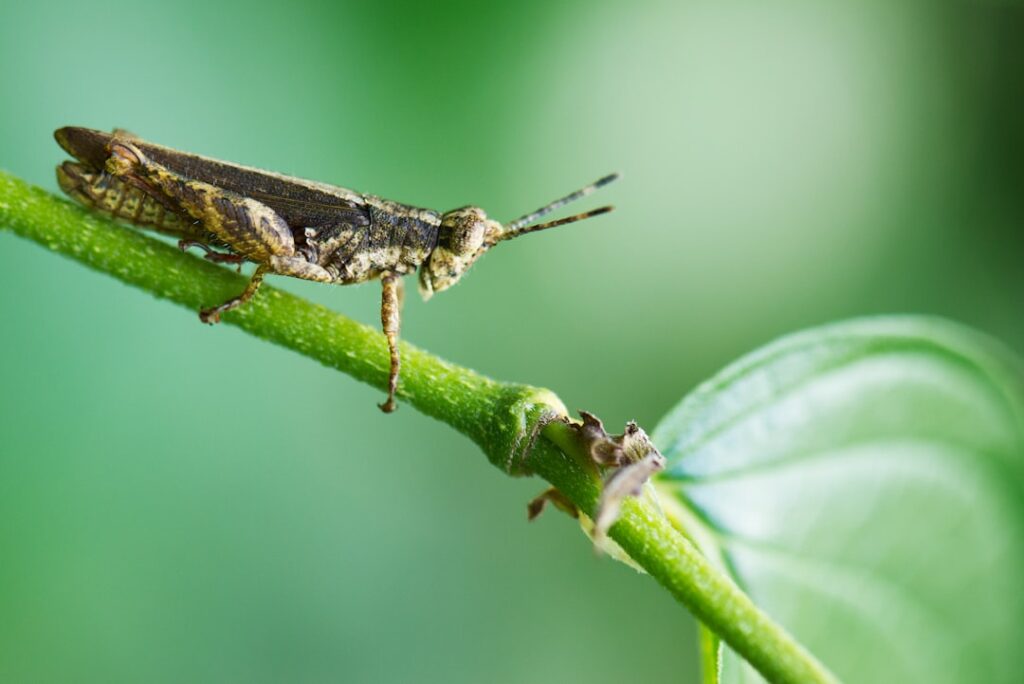
The Lubber Grasshopper: A Colorful and Unique Insect
The Lubber Grasshopper, known scientifically as *Romalea microptera*, is a striking insect that captures the attention of many due to its unique appearance and behavior. Native to the southeastern United States, this grasshopper is easily recognizable and often stands out in its environment. Unlike many of its more agile relatives, the Lubber Grasshopper is characterized by its robust body and limited flying ability, which makes it a fascinating subject for entomologists and nature enthusiasts alike.
These grasshoppers are not just visually interesting; they also play a significant role in their ecosystems. Understanding their characteristics, behaviors, and interactions with their environment can provide insights into the health of the ecosystems they inhabit. In this article, we will explore various aspects of the Lubber Grasshopper, from its physical traits to its ecological importance.
The Lubber Grasshopper (Romalea microptera) is a fascinating insect known for its striking appearance and unique behaviors. For those interested in learning more about this intriguing species, you can explore a related article that delves into its habitat, diet, and role in the ecosystem.
To read more, visit
Additionally, their bright coloration serves as a warning signal to potential predators about their toxicity—a classic example of aposematism in nature.
When threatened, Lubber Grasshoppers may also employ physical defenses such as jumping away quickly or remaining still to avoid detection.
Importance of the Lubber Grasshopper in the Ecosystem
Lubber Grasshoppers play a vital role in their ecosystems as herbivores. By feeding on various plants, they help control vegetation growth and contribute to nutrient cycling within their habitats. Their feeding habits can influence plant community dynamics by promoting diversity among plant species.
Moreover, as prey for various predators, Lubber Grasshoppers are an essential part of the food web. They provide sustenance for birds and other wildlife, helping to maintain ecological balance. Their presence can indicate the health of an ecosystem; a decline in their population may signal changes in environmental conditions or habitat quality.
Conservation Status and Threats to the Lubber Grasshopper
While the Lubber Grasshopper is not currently listed as endangered or threatened, it faces several challenges that could impact its populations in the future. Habitat loss due to urban development, agricultural expansion, and changes in land use can significantly affect their distribution and abundance. Additionally, pesticide use in agricultural practices poses a direct threat to their survival by reducing food sources and increasing mortality rates.
Conservation efforts aimed at preserving natural habitats can benefit not only the Lubber Grasshopper but also many other species that share their environment. Promoting awareness about these insects and their ecological roles can help foster appreciation for biodiversity and encourage protective measures within local communities.
In conclusion, the Lubber Grasshopper is more than just an interesting insect; it plays a crucial role in its ecosystem while showcasing unique adaptations that allow it to thrive in its environment. Understanding its characteristics and behaviors can enhance our appreciation for these remarkable creatures and highlight the importance of conserving their habitats for future generations.
FAQs
What is a Lubber Grasshopper (Romalea microptera)?
The Lubber Grasshopper (Romalea microptera) is a large, colorful grasshopper species found in the southeastern United States. It is known for its distinctive size, bright colors, and slow, clumsy movements.
What do Lubber Grasshoppers eat?
Lubber Grasshoppers are herbivores and primarily feed on a variety of plants, including citrus trees, roses, and other garden plants. They can cause damage to crops and ornamental plants in large numbers.
What is the lifespan of a Lubber Grasshopper?
Lubber Grasshoppers have a relatively short lifespan, typically living for only a few months. They go through several stages of development, including egg, nymph, and adult, before reaching the end of their life cycle.
Are Lubber Grasshoppers harmful to humans?
Lubber Grasshoppers are not harmful to humans and do not bite or sting. However, they can release a defensive chemical when threatened, which can cause skin irritation or allergic reactions in some individuals.
How can Lubber Grasshoppers be controlled?
Controlling Lubber Grasshopper populations can be challenging due to their large numbers and ability to quickly reproduce. Methods of control include physical removal, barriers, and insecticides, but these may have limited effectiveness.