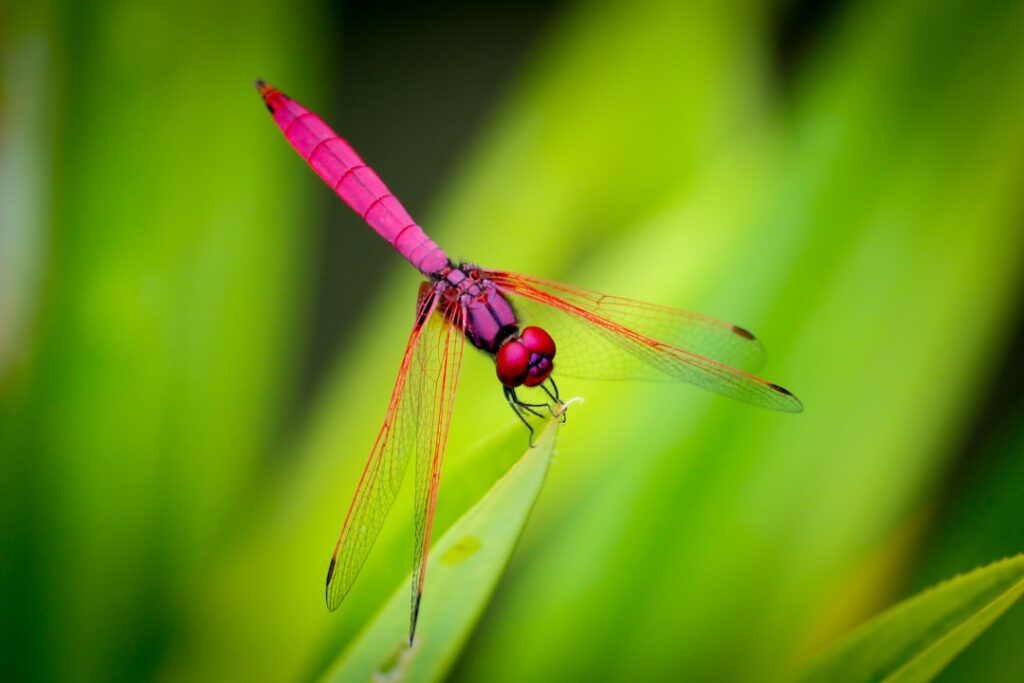
Emperor Dragonfly: Majestic Insect of the Wetlands
The Emperor Dragonfly, scientifically known as Anax imperator, is a striking insect that captures the attention of nature enthusiasts and casual observers alike. With its impressive size and vibrant colors, this dragonfly stands out in the world of odonates. Found across various regions, it is often seen gliding gracefully over water bodies, making it a favorite among those who appreciate the beauty of wildlife.
What makes the Emperor Dragonfly particularly interesting is not just its appearance but also its behavior and ecological significance. As one of the largest dragonflies in Europe, it boasts a wingspan that can reach up to 10 centimeters. This article will delve into the various aspects of the Emperor Dragonfly, from its habitat and physical characteristics to its role in the ecosystem and interactions with humans.
The Emperor Dragonfly (Anax imperator) is a fascinating species known for its impressive size and striking coloration. For those interested in learning more about various aspects of the animal kingdom, including the habitats and behaviors of dragonflies, you can explore a related article that provides in-depth insights. Check out this informative resource at Animal Kingdom to expand your knowledge about these incredible insects and their ecological significance.
Key Takeaways
- The Emperor Dragonfly is one of the largest and most impressive dragonfly species, known for its striking appearance and powerful flying abilities.
- This species is commonly found near freshwater habitats such as ponds, lakes, and slow-moving rivers across Europe and Asia.
- With its large size, bright green eyes, and distinctive blue and green body, the Emperor Dragonfly is a formidable predator, known for its agile hunting behavior and territorial nature.
- The life cycle of the Emperor Dragonfly involves a fascinating transformation from aquatic nymph to airborne adult, with mating and egg-laying occurring near water bodies.
- As top predators in their ecosystems, Emperor Dragonflies play a crucial role in controlling insect populations and maintaining the balance of their habitats.
Habitat and Distribution
The Emperor Dragonfly thrives in a variety of habitats, primarily favoring freshwater environments such as ponds, lakes, and slow-moving rivers. These locations provide not only a breeding ground but also ample hunting opportunities for this agile predator. The presence of aquatic vegetation is crucial, as it offers shelter for both the dragonfly and its prey, which includes smaller insects and larvae.
Geographically, the Emperor Dragonfly is widely distributed across Europe, particularly in southern regions, but it can also be found in parts of North Africa and Asia. Its adaptability allows it to inhabit diverse climates, from temperate zones to warmer areas. However, it is most commonly spotted during the summer months when temperatures rise, and its activity peaks. Observers often find them near water bodies, where they can be seen darting about in search of food or engaging in courtship displays.
Physical Characteristics and Behavior
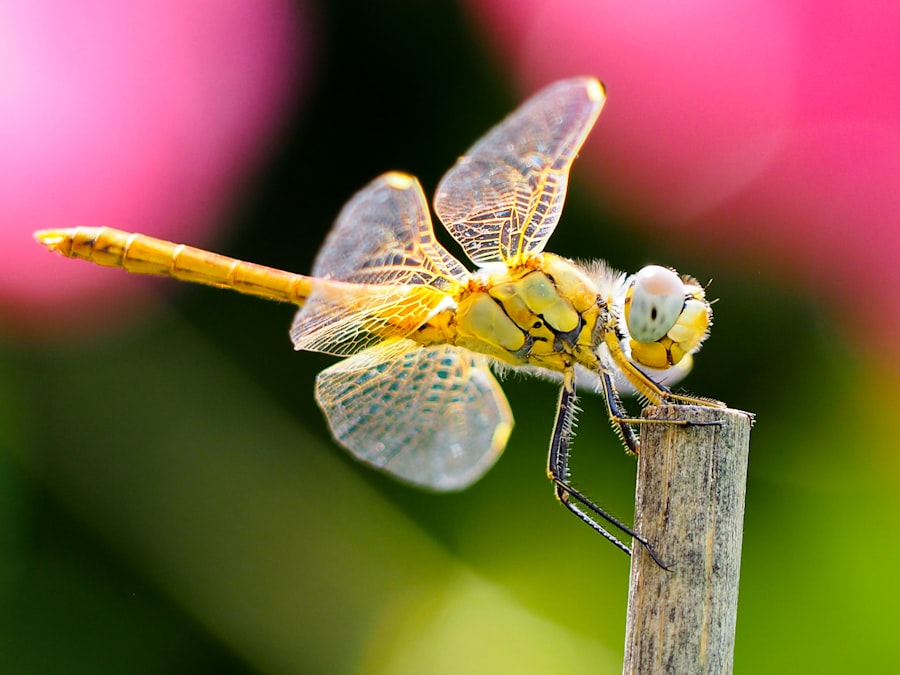
The Emperor Dragonfly is easily recognizable due to its striking coloration. Males typically exhibit a bright blue body adorned with black markings, while females tend to have a more greenish hue. This sexual dimorphism not only aids in identification but also plays a role in mating rituals.
Their large, multifaceted eyes provide excellent vision, allowing them to spot prey from a distance and navigate their surroundings with remarkable agility. Behaviorally, the Emperor Dragonfly is known for its impressive flying skills. It can hover in place, fly backward, and even make sharp turns mid-air.
This agility is essential for hunting, as it preys on a variety of insects, including mosquitoes and other small flying bugs. During mating season, males engage in elaborate aerial displays to attract females, showcasing their strength and stamina. These displays often involve chasing one another through the air, adding an exciting dynamic to their behavior.
Life Cycle and Reproduction
The life cycle of the Emperor Dragonfly consists of several stages: egg, larva (nymph), and adult. Females lay their eggs in or near water, often attaching them to aquatic plants or depositing them directly into the water. The eggs hatch into nymphs after a few weeks, entering a stage that can last several months to years, depending on environmental conditions.
Nymphs are aquatic and are equipped with specialized adaptations for hunting underwater. They have extendable jaws that allow them to capture prey with remarkable speed. As they grow, they undergo multiple molts, shedding their exoskeletons to accommodate their increasing size. Once they reach maturity, nymphs crawl out of the water onto vegetation or rocks to undergo metamorphosis into adult dragonflies.
This transformation is a critical moment in their life cycle, as they emerge from their exoskeletons with wet wings that need time to dry before they can take flight.
The Emperor Dragonfly (Anax imperator) is a remarkable species known for its impressive size and striking coloration, making it a fascinating subject for entomologists and nature enthusiasts alike. If you’re interested in learning more about the behaviors and habitats of this incredible insect, you might find this related article on dragonfly conservation efforts particularly insightful. For more information, you can visit this link.
Role in the Ecosystem
| Category | Details |
|---|---|
| Scientific Name | Anax imperator |
| Family | Aeshnidae |
| Habitat | Ponds, lakes, and slow-flowing rivers |
| Size | Body length: 78-85 mm, Wingspan: 80-95 mm |
| Color | Blue and green with black markings |
| Behavior | Aggressive hunters, known for their aerial acrobatics |
The Emperor Dragonfly plays a vital role in its ecosystem as both a predator and prey. As a predator, it helps control populations of smaller insects, contributing to the balance of local ecosystems. By feeding on pests like mosquitoes, it indirectly benefits humans by reducing the number of these annoying insects around water bodies.
Additionally, the nymph stage of the Emperor Dragonfly serves as an important food source for various fish species and other aquatic animals. This interconnectedness highlights the significance of maintaining healthy habitats for dragonflies and their prey. The presence of Emperor Dragonflies can indicate a healthy ecosystem; their abundance often reflects good water quality and biodiversity.
The Emperor Dragonfly (Anax imperator) is one of the largest and most striking dragonflies found in Europe, known for its impressive size and vibrant colors. If you’re interested in learning more about the fascinating behaviors and habitats of this remarkable insect, you can check out a related article that delves deeper into its life cycle and ecological significance. For more information, visit this link to explore the wonders of the Emperor Dragonfly and its role in the ecosystem.
Threats and Conservation Efforts
Despite their adaptability, Emperor Dragonflies face several threats that can impact their populations. Habitat loss due to urbanization, pollution, and climate change poses significant challenges. Wetland drainage for agriculture or development reduces available breeding sites and disrupts their life cycle. Additionally, pesticide use can harm both adult dragonflies and their nymphs by contaminating water sources.
Conservation efforts are underway in various regions to protect these magnificent insects and their habitats. Initiatives include restoring wetlands, creating buffer zones around water bodies, and promoting sustainable agricultural practices that minimize pesticide use. Public awareness campaigns also play a crucial role in educating communities about the importance of dragonflies in ecosystems and encouraging conservation efforts.
Interactions with Humans
Humans have had a long-standing fascination with dragonflies, including the Emperor Dragonfly. Many people enjoy observing these insects in their natural habitats, appreciating their beauty and grace. In some cultures, dragonflies symbolize change and transformation due to their remarkable life cycle.
However, interactions are not always positive. As mentioned earlier, pesticide use can have detrimental effects on dragonfly populations. Additionally, habitat destruction caused by human activities can lead to declines in their numbers. On the flip side, some communities have embraced dragonflies as indicators of environmental health, using them as a focal point for conservation efforts.
Fascinating Facts about the Emperor Dragonfly
The Emperor Dragonfly is full of intriguing characteristics that make it stand out among other insects. For instance, it is known for its impressive hunting skills; it can catch prey mid-air with astonishing precision. Some studies suggest that these dragonflies can consume up to 30% of their body weight in food each day.
Another fascinating aspect is their migratory behavior.
While many dragonflies are sedentary, some populations of Emperor Dragonflies are known to migrate over long distances in search of suitable breeding grounds or favorable climates.
This adaptability showcases their resilience in changing environments.
In conclusion, the Emperor Dragonfly is not just an insect; it’s a vital part of our ecosystems with unique behaviors and characteristics that make it worth studying and protecting. Understanding its life cycle, habitat needs, and role in nature can help us appreciate these remarkable creatures even more while fostering efforts to ensure their survival for future generations.
FAQs
What is the Emperor Dragonfly (Anax imperator)?
The Emperor Dragonfly (Anax imperator) is a large species of dragonfly belonging to the family Aeshnidae. It is one of the largest dragonfly species in Europe and is known for its striking appearance and impressive flying abilities.
Where can the Emperor Dragonfly be found?
The Emperor Dragonfly is commonly found in Europe, Asia, and North Africa. It is often seen near freshwater habitats such as ponds, lakes, and slow-moving rivers where it can hunt for prey and breed.
What does the Emperor Dragonfly eat?
As a predatory insect, the Emperor Dragonfly feeds on a variety of small flying insects including mosquitoes, flies, and other dragonflies. It is known for its agile hunting behavior and can catch its prey mid-flight.
What is the lifespan of an Emperor Dragonfly?
The lifespan of an Emperor Dragonfly varies depending on environmental conditions and predators. On average, the adult stage of the Emperor Dragonfly lasts for about 4-6 weeks, during which time they mate and lay eggs.
How does the Emperor Dragonfly contribute to the ecosystem?
The Emperor Dragonfly plays a crucial role in controlling insect populations, particularly mosquitoes and other pests. As a top predator in its habitat, it helps maintain the balance of the ecosystem by keeping insect populations in check. Additionally, the Emperor Dragonfly serves as a food source for birds and other larger predators.