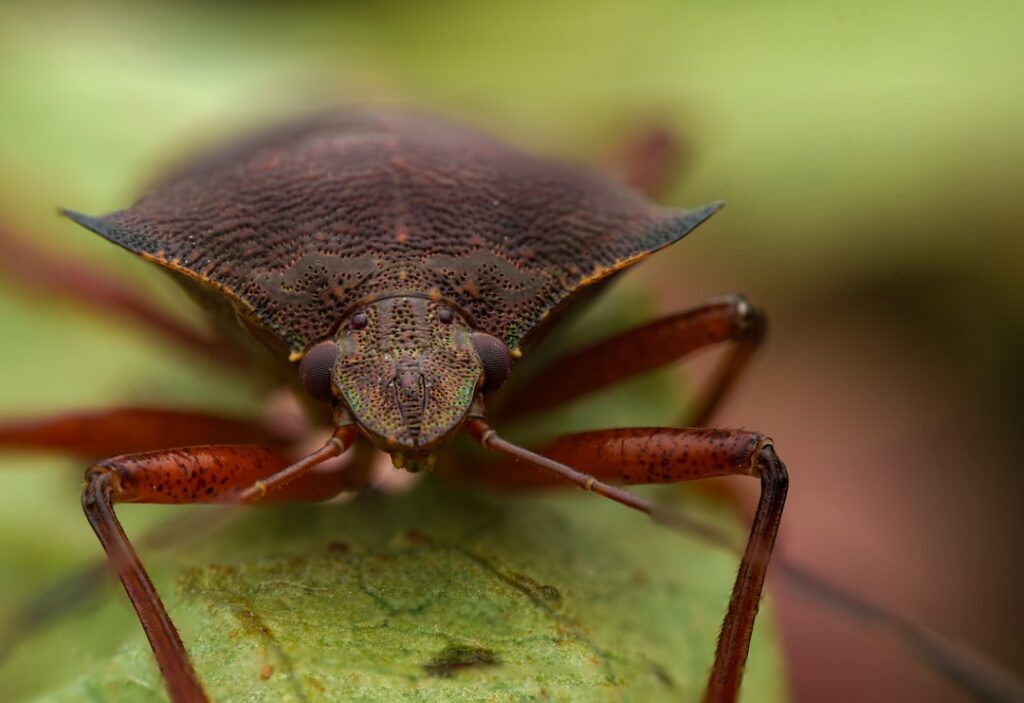
The Green Shield Bug: A Fascinating Insect
The Green Shield Bug, scientifically known as Palomena prasina, is a fascinating insect that often captures the attention of nature enthusiasts and gardeners alike. This vibrant green bug is not just visually striking; it plays a significant role in its ecosystem. Found across Europe and parts of Asia, the Green Shield Bug is a member of the pentatomid family, commonly referred to as shield bugs. Its unique appearance and behaviors make it a subject of interest for both casual observers and researchers.
Understanding the Green Shield Bug goes beyond its aesthetic appeal. These insects are integral to their habitats, influencing plant health and serving as indicators of environmental changes. In this article, we will explore the physical characteristics, life cycle, feeding habits, and interactions of the Green Shield Bug with humans and the environment. By the end, you’ll have a comprehensive understanding of this intriguing insect.
The Green Shield Bug (Palomena prasina) is a fascinating insect known for its vibrant green coloration and distinctive shield-shaped body. For those interested in learning more about this intriguing species and its ecological role, you can explore a related article that delves into its behavior, habitat, and the importance of biodiversity. To read more, visit this article.
Key Takeaways
- The Green Shield Bug is a common insect found in gardens and agricultural fields.
- It has a shield-shaped body and is typically green in color, blending in with plant foliage.
- The Green Shield Bug goes through a complete metamorphosis, with eggs hatching into nymphs and eventually developing into adults.
- They feed on plant sap and can be both beneficial and harmful to crops, depending on their population size.
- Green Shield Bugs play a role in maintaining ecological balance and are also used as biological control agents in agriculture.
Physical Characteristics and Habitat
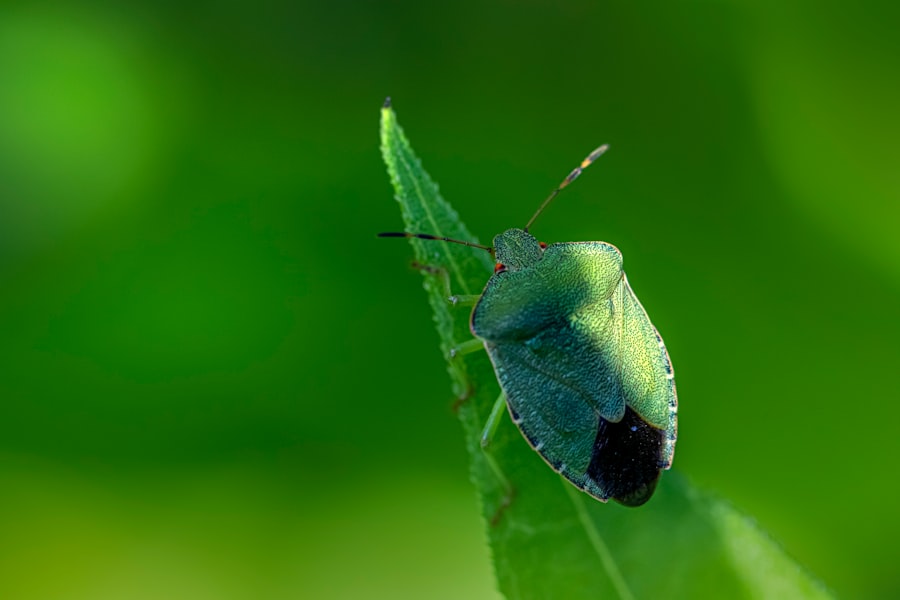
The Green Shield Bug is easily recognizable due to its bright green coloration, which can vary slightly depending on its age and environmental conditions. Adult bugs typically measure between 10 to 14 millimeters in length and have a distinctive shield-like shape that gives them their name. Their bodies are flat and broad, with a smooth surface that can sometimes appear glossy. This coloration serves as camouflage among leaves, helping them evade predators.
In terms of habitat, the Green Shield Bug thrives in a variety of environments. They are commonly found in gardens, woodlands, and agricultural fields where their preferred food sources are abundant. These bugs are particularly fond of broadleaf plants, including various fruit trees and shrubs. They tend to congregate in areas with plenty of vegetation, as this not only provides food but also shelter from harsh weather conditions and predators.
Life Cycle and Reproduction
The life cycle of the Green Shield Bug is quite fascinating, consisting of several stages: egg, nymph, and adult. The female lays her eggs in clusters on the undersides of leaves, usually during late spring or early summer. These eggs are small and oval-shaped, often appearing yellow or greenish in color.
After about a week, the eggs hatch into nymphs, which resemble miniature adults but lack fully developed wings. Nymphs go through several molts, typically five stages, before reaching adulthood. During this time, they feed voraciously on plant sap, growing larger with each molt.
The entire process from egg to adult can take anywhere from six to eight weeks, depending on environmental conditions such as temperature and food availability.
Once they reach maturity, these bugs are ready to mate and continue the cycle.
Feeding Habits and Behavior
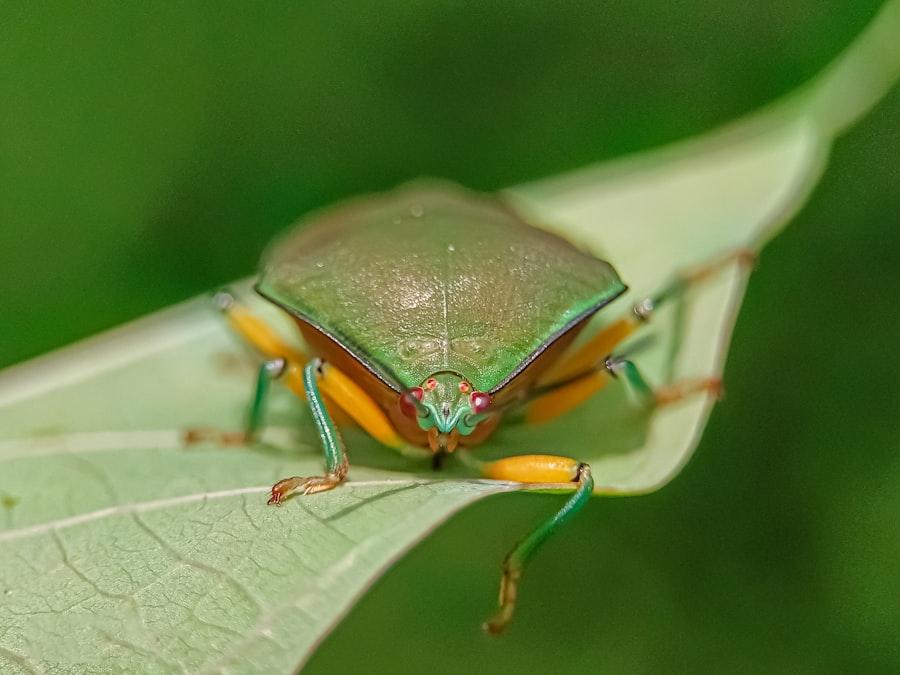
Green Shield Bugs are primarily herbivorous, feeding on the sap of various plants. They use their specialized mouthparts to pierce plant tissues and extract nutrients. This feeding behavior can sometimes lead to damage in gardens and crops, as they may weaken plants by draining essential fluids. However, they tend to prefer certain plants over others, which can help gardeners manage their presence.
In terms of behavior, these bugs are generally solitary but can be found in groups during mating season or when feeding on particularly abundant food sources. They are most active during warm weather and tend to be less visible during colder months when they seek shelter in crevices or under leaf litter.
Interestingly, when threatened, Green Shield Bugs can emit a foul-smelling liquid as a defense mechanism to deter predators.
The Green Shield Bug, scientifically known as Palomena prasina, is a fascinating insect that often captures the attention of entomologists and nature enthusiasts alike. If you’re interested in learning more about the ecological role of this vibrant bug and its interactions within various habitats, you might find this related article on insect biodiversity particularly insightful. For further exploration, you can read more about it here.
Importance in Agriculture and Ecosystem
| Aspect | Information |
|---|---|
| Scientific Name | Palomena prasina |
| Common Name | Green Shield Bug |
| Family | Pentatomidae |
| Habitat | Grassy areas, gardens, and woodlands |
| Diet | Plant sap, fruits, and seeds |
| Size | Around 12-14 mm in length |
| Color | Bright green with reddish markings |
| Behavior | Overwinters as an adult, and lays eggs in spring |
The Green Shield Bug plays a dual role in agriculture and ecosystems. On one hand, they can be considered pests due to their feeding habits that may harm crops and ornamental plants. Farmers often need to monitor their populations closely to prevent significant damage. However, they also serve as prey for various birds and other insects, contributing to the food web.
Moreover, these bugs can act as bioindicators of environmental health. Their presence or absence can provide insights into the ecological balance of an area. For instance, a sudden increase in their population might indicate changes in plant health or environmental conditions that could affect other species as well. Understanding their role helps in developing integrated pest management strategies that consider both agricultural productivity and ecological balance.
Interactions with Humans
Humans often encounter Green Shield Bugs in gardens or outdoor spaces where they may be seen basking on leaves or moving about in search of food. While they are generally harmless to humans, their presence can be unwelcome for gardeners who may view them as pests. When disturbed, these bugs can release a strong odor that some find unpleasant, leading to further aversion.
Despite their occasional nuisance status, many people appreciate the Green Shield Bug for its role in the ecosystem. Gardeners who adopt organic practices may tolerate their presence due to their contribution to biodiversity. Additionally, educational programs about local wildlife often highlight these insects as examples of nature’s complexity and beauty.
Conservation Efforts and Threats
While the Green Shield Bug is not currently considered endangered, it faces threats from habitat loss due to urbanization and agricultural practices that prioritize monoculture over biodiversity. Pesticide use can also impact their populations by reducing food sources and directly harming them. Conservation efforts aimed at preserving natural habitats can help maintain healthy populations of these insects.
Promoting biodiversity in gardens and agricultural landscapes is crucial for supporting not only the Green Shield Bug but also other beneficial insects. Practices such as planting native species, reducing pesticide use, and creating habitats like hedgerows can foster environments where these bugs thrive alongside other wildlife.
Fun Facts and Interesting Trivia about the Green Shield Bug
The Green Shield Bug has some intriguing traits that make it stand out even more. For instance, did you know that they can change color slightly based on their environment? This ability helps them blend in better with their surroundings, enhancing their camouflage against predators.
Another interesting fact is that these bugs have a unique way of communicating with each other through pheromones. These chemical signals can convey information about mating readiness or alert others to potential threats. This form of communication adds another layer to their complex social interactions.
In conclusion, the Green Shield Bug is more than just a pretty face in the garden; it’s an important player in our ecosystems with a life cycle that reflects nature’s intricacies. Understanding its characteristics, behaviors, and interactions with humans helps us appreciate this insect’s role in our world while also recognizing the need for conservation efforts to protect its habitat for future generations.
FAQs
What is a Green Shield Bug (Palomena prasina)?
The Green Shield Bug, also known as Palomena prasina, is a common species of shield bug found in Europe and North America. It is known for its bright green color and shield-shaped body.
What does the Green Shield Bug feed on?
Green Shield Bugs primarily feed on the sap of various plants, including fruits, vegetables, and ornamental plants. They use their piercing mouthparts to extract the sap from the plant tissues.
What is the life cycle of the Green Shield Bug?
The Green Shield Bug undergoes incomplete metamorphosis, with three life stages: egg, nymph, and adult. The eggs are laid on the underside of leaves, and the nymphs resemble the adults but are smaller and lack fully developed wings.
Are Green Shield Bugs considered pests?
While Green Shield Bugs can cause damage to crops and ornamental plants by feeding on their sap, they are not typically considered major pests. However, in large numbers, they can cause cosmetic damage to fruits and vegetables.
How can Green Shield Bugs be controlled?
To control Green Shield Bugs, methods such as hand-picking, using insecticidal soaps, and maintaining a healthy garden ecosystem can be effective. Additionally, planting companion plants that repel shield bugs can help reduce their presence.