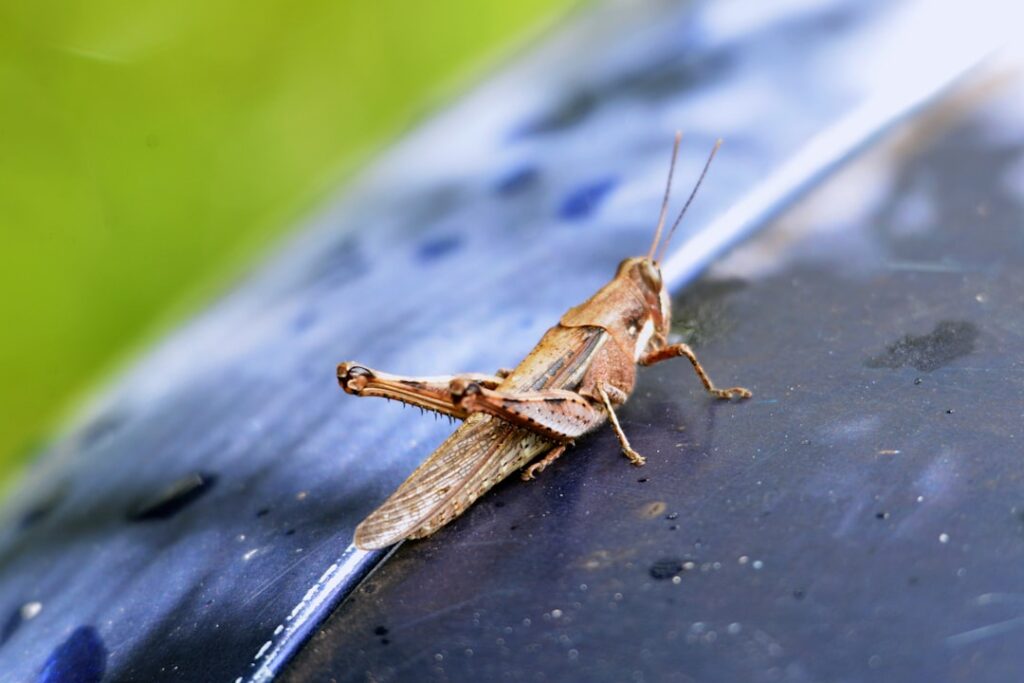
The Giant Water Bug: A Formidable Predator
The Giant Water Bug, scientifically known as Lethocerus, is a fascinating creature that often captures the curiosity of those who encounter it. These aquatic insects are not only notable for their size but also for their unique behaviors and ecological roles. Found in freshwater habitats across various regions, they are sometimes referred to as “toe-biters” due to their painful bite. While they may not be the most charming of insects, understanding their biology and behavior can shed light on their importance in the ecosystem.
Giant Water Bugs are part of the Hemiptera order, which includes true bugs. They can grow to impressive sizes, with some species reaching lengths of up to four inches. Their large, flat bodies and long legs make them adept swimmers, allowing them to navigate through their aquatic environments with ease. As we delve deeper into the characteristics and behaviors of these intriguing insects, it becomes clear that they play a significant role in their ecosystems.
The Giant Water Bug (Belostoma flumineum) is a fascinating aquatic insect known for its impressive size and predatory behavior. For those interested in learning more about this remarkable creature and its ecological role, you can explore a related article that delves into its habitat, diet, and life cycle. To read more, visit this link.
Key Takeaways
- The Giant Water Bug is a fascinating insect found in freshwater habitats around the world.
- With its large size and powerful forelegs, the Giant Water Bug is a formidable predator in the water.
- These bugs are known for their unique feeding behavior, which includes injecting digestive enzymes into their prey and sucking out the liquefied insides.
- Giant Water Bugs undergo incomplete metamorphosis, with eggs hatching into nymphs that resemble miniature adults.
- The conservation status of Giant Water Bugs varies by species, with some facing threats from habitat loss and pollution.
Physical Characteristics and Adaptations
Giant Water Bugs possess several physical traits that enable them to thrive in their aquatic habitats. Their bodies are streamlined and flattened, which aids in swimming and helps them move swiftly through water. The coloration of these bugs typically ranges from brown to dark green, providing effective camouflage against the murky backgrounds of ponds and streams. This natural disguise is crucial for both hunting prey and avoiding predators.
One of the most striking adaptations of the Giant Water Bug is its specialized mouthparts. They have a long, piercing beak that allows them to inject digestive enzymes into their prey, effectively liquefying it before consumption. This adaptation not only facilitates feeding but also showcases their role as predators in the aquatic food web. Additionally, their long legs are equipped with hairs that help them paddle through water, making them agile hunters.
Feeding Behavior and Prey
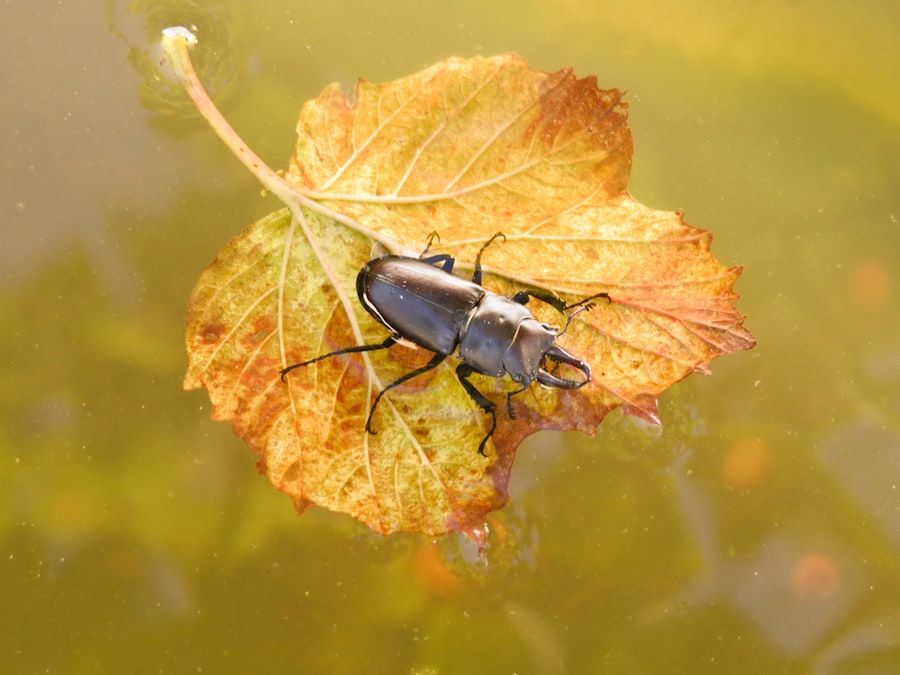
Giant Water Bugs are voracious predators, primarily feeding on a variety of aquatic organisms. Their diet mainly consists of fish, amphibians, and other insects, which they capture using their swift swimming abilities and powerful beaks. When hunting, they often lie in wait, camouflaged against the substrate, before launching a surprise attack on unsuspecting prey.
This ambush strategy is effective, allowing them to secure meals with minimal energy expenditure. The feeding process of the Giant Water Bug is quite fascinating. Once they have captured their prey, they use their beak to pierce the exoskeleton or skin and inject digestive enzymes.
These enzymes break down the internal tissues of the prey, turning it into a nutrient-rich soup that the bug can then suck up. This method of feeding not only highlights their predatory nature but also emphasizes their role in controlling populations of other aquatic organisms.
Reproduction and Life Cycle
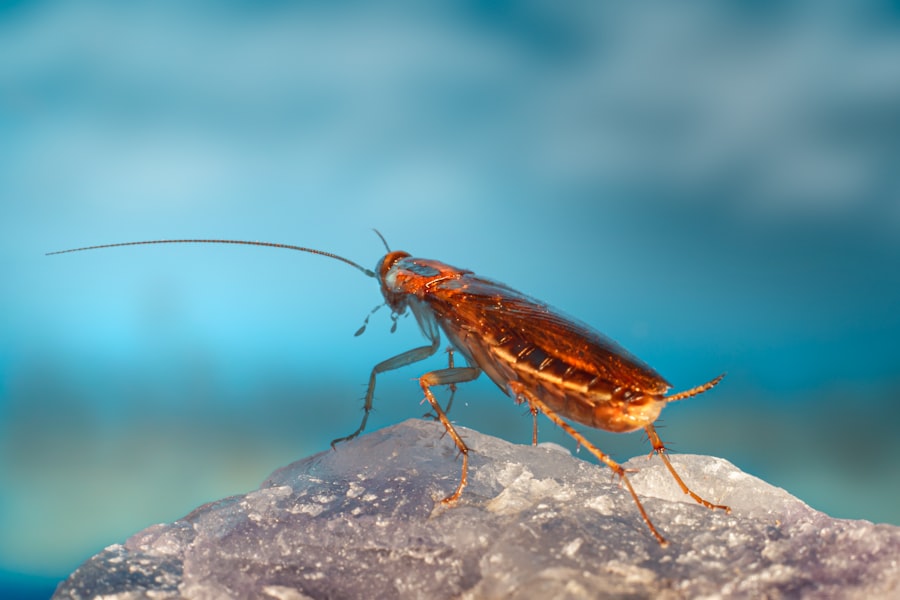
The reproductive habits of Giant Water Bugs are equally intriguing. Mating typically occurs in late spring or early summer when conditions are favorable for breeding. Males often engage in elaborate courtship displays to attract females, which may involve swimming in circles or producing sounds by rubbing their wings together. Once a female selects a mate, she lays her eggs on the back of the male, who carries them until they hatch.
The life cycle of the Giant Water Bug consists of several stages: egg, nymph, and adult. After hatching, the nymphs emerge and resemble miniature versions of adults but lack fully developed wings. They undergo multiple molts as they grow, gradually developing into mature adults over several weeks or months. This gradual metamorphosis allows them to adapt to their environment at each stage of development.
The Giant Water Bug, scientifically known as Belostoma flumineum, is a fascinating aquatic insect that plays a crucial role in its ecosystem. These remarkable creatures are often found in freshwater habitats, where they are known for their impressive hunting skills and unique mating behaviors. For those interested in learning more about the ecological significance and behavior of the Giant Water Bug, a related article can provide further insights into its life cycle and habitat preferences. You can explore this information in detail by visiting this link.
Habitat and Distribution
| Category | Measurement |
|---|---|
| Species | Belostoma flumineum |
| Habitat | Freshwater habitats such as ponds, streams, and marshes |
| Size | Up to 2 inches in length |
| Diet | Preys on small fish, insects, and amphibians |
| Behavior | Aggressive predator with a powerful bite |
Giant Water Bugs are primarily found in freshwater habitats such as ponds, lakes, marshes, and slow-moving streams. They prefer areas with abundant vegetation, which provides both shelter and hunting grounds. Their distribution spans across North America, parts of Central America, and even some regions in Asia. In North America, they are commonly found in states like Florida and Texas, where warm temperatures support their active lifestyles.
The choice of habitat is crucial for the survival of Giant Water Bugs. They thrive in environments rich in biodiversity, as this ensures a steady supply of prey. However, they are also sensitive to changes in water quality and habitat destruction caused by human activities. As such, understanding their preferred habitats can help in conservation efforts aimed at preserving these unique insects.
The Giant Water Bug, scientifically known as Belostoma flumineum, is a fascinating aquatic insect that plays a crucial role in its ecosystem. These bugs are not only known for their impressive size but also for their predatory behavior, often feeding on fish and amphibians. For those interested in learning more about the diverse world of insects and their habitats, a related article can provide valuable insights. You can explore this further in the article found here.
Interactions with Humans
While Giant Water Bugs may not be well-known to many people, they do have interactions with humans that can be both positive and negative. On one hand, they play an essential role in controlling pest populations in aquatic ecosystems by preying on smaller insects and fish that could otherwise become problematic. This natural pest control can be beneficial for maintaining balanced ecosystems.
On the other hand, their painful bite has earned them a reputation as pests themselves. When disturbed or handled carelessly, Giant Water Bugs can deliver a sharp bite that can cause significant discomfort. This has led to some negative perceptions among those who encounter them while fishing or swimming. Education about these insects can help mitigate fear and promote understanding of their ecological importance.
Conservation Status
The conservation status of Giant Water Bugs varies by region and species. While many populations remain stable due to their adaptability and wide distribution, certain species face threats from habitat loss and pollution. Wetland degradation caused by urban development and agricultural practices can significantly impact their populations by reducing available habitats and prey sources.
Conservation efforts aimed at protecting freshwater ecosystems can indirectly benefit Giant Water Bugs and other aquatic organisms. Initiatives focused on restoring wetlands, improving water quality, and promoting sustainable land use practices are essential for maintaining healthy habitats for these insects. Awareness campaigns can also help educate the public about the importance of preserving biodiversity in freshwater environments.
The Role of the Giant Water Bug in the Ecosystem
In conclusion, the Giant Water Bug is more than just an oversized insect; it plays a vital role in maintaining the balance of aquatic ecosystems.
As a predator, it helps regulate populations of smaller organisms, contributing to the overall health of its habitat.
Its unique adaptations for feeding and reproduction further highlight its significance within the food web.
Understanding the biology and ecology of Giant Water Bugs can foster appreciation for these often-overlooked creatures. By recognizing their contributions to biodiversity and ecosystem stability, we can better advocate for conservation efforts that protect not only Giant Water Bugs but also the intricate web of life they inhabit. In doing so, we ensure that future generations can continue to learn from and appreciate these remarkable insects.
FAQs
What is a Giant Water Bug (Belostoma flumineum)?
The Giant Water Bug, also known as Belostoma flumineum, is a species of insect belonging to the family Belostomatidae. It is commonly found in freshwater habitats such as ponds, streams, and marshes.
What does a Giant Water Bug look like?
Giant Water Bugs are large insects, typically measuring around 1.5 to 2 inches in length. They have a brownish-black, elongated body with a flattened, oval shape. Their front legs are modified into powerful pincers used for capturing prey.
What do Giant Water Bugs eat?
Giant Water Bugs are voracious predators and feed on a variety of aquatic organisms, including small fish, tadpoles, insects, and even other invertebrates. They are known for their ability to immobilize and consume prey much larger than themselves.
Are Giant Water Bugs dangerous to humans?
Giant Water Bugs are not aggressive towards humans, but they can deliver a painful bite if handled or disturbed. Their bite is primarily a defensive mechanism and is not considered dangerous, although it may cause localized pain and irritation.
What is the ecological importance of Giant Water Bugs?
Giant Water Bugs play a significant role in freshwater ecosystems as top predators, helping to control populations of smaller aquatic organisms. They are also an important food source for various aquatic animals, contributing to the overall balance of the ecosystem.