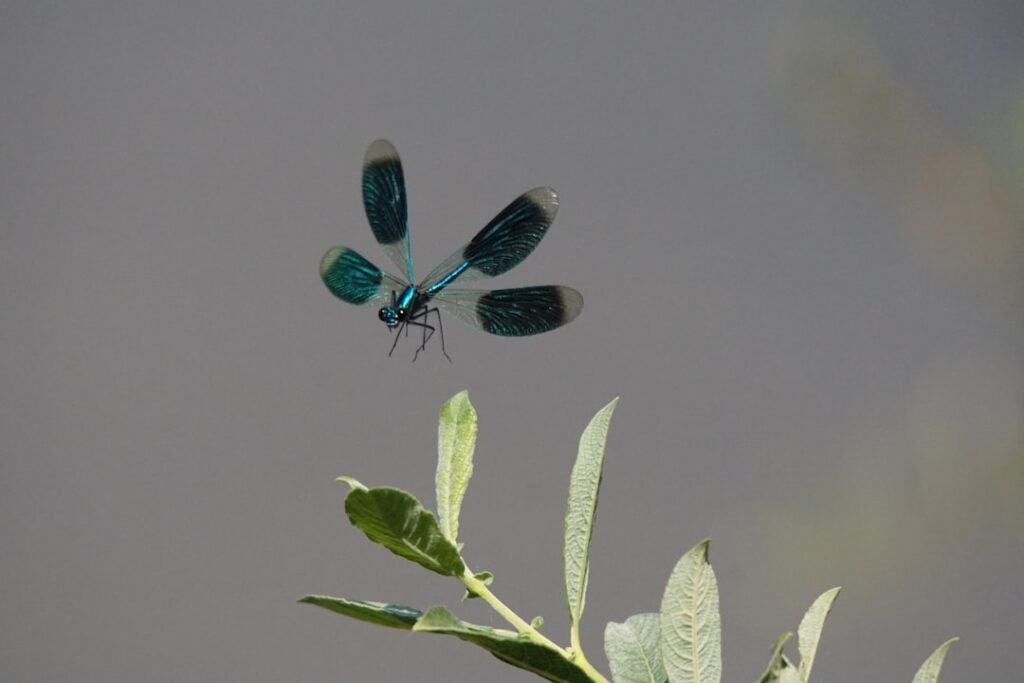
Discover the Stunning Banded Demoiselle
The Banded Demoiselle, scientifically known as Calopteryx splendens, is a strikingly beautiful damselfly that captures the attention of nature enthusiasts and casual observers alike. With its iridescent wings and vibrant colors, this insect is not just a visual delight but also an important part of its ecosystem. Found primarily near freshwater bodies, the Banded Demoiselle is a fascinating subject for anyone interested in entomology or simply enjoying the great outdoors.
In this article, we will explore various aspects of the Banded Demoiselle, including its physical characteristics, habitat, behavior, and the role it plays in the ecosystem. We will also discuss the threats it faces and conservation efforts aimed at protecting this remarkable species. Whether you’re a budding naturalist or just curious about this damselfly, you’ll find valuable insights here.
The Banded Demoiselle (Calopteryx splendens) is a striking dragonfly known for its iridescent colors and delicate appearance, often found near freshwater habitats. For those interested in learning more about the fascinating behaviors and ecological significance of this species, you can read a related article that delves into its life cycle and habitat preferences. To explore this topic further, visit this article.
Key Takeaways
- The Banded Demoiselle is a species of damselfly known for its striking appearance and graceful flight.
- This species is characterized by its metallic blue-green body, banded wings, and long, slender abdomen.
- Banded Demoiselles are commonly found near slow-flowing rivers, streams, and canals throughout Europe and parts of Asia.
- During mating season, male Banded Demoiselles perform an elaborate courtship display to attract females.
- Banded Demoiselles play a crucial role in the ecosystem as predators of small insects and as a food source for birds and other predators.
Physical Characteristics of the Banded Demoiselle
The Banded Demoiselle is easily recognizable due to its distinctive appearance. Adult males typically exhibit a striking metallic blue-green body adorned with dark bands on their wings, which gives them their name. The wings themselves are not only beautiful but also serve a functional purpose; they help in flight and can be used to attract mates. Females, on the other hand, are generally less colorful, sporting a more subdued greenish-brown hue with lighter bands on their wings. This difference in coloration is a classic example of sexual dimorphism in the insect world.
In terms of size, the Banded Demoiselle measures about 4 to 5 centimeters in length, with a wingspan that can reach up to 8 centimeters. Their elongated bodies and delicate wings make them appear almost ethereal as they flit about near water sources. The combination of their vibrant colors and graceful movements makes them a favorite among photographers and nature lovers alike.
Habitat and Distribution of the Banded Demoiselle
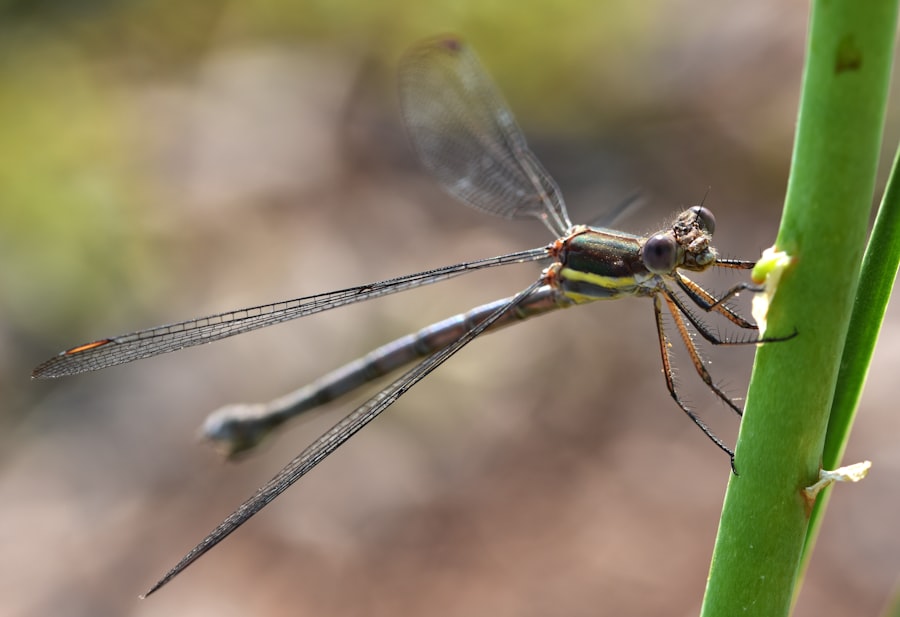
Banded Demoiselles thrive in habitats that provide clean, slow-moving freshwater. They are commonly found along rivers, streams, and ponds, where they can perch on vegetation or rocks near the water’s edge. These environments not only offer ample food sources but also serve as breeding grounds for their larvae.
The presence of aquatic plants is crucial, as they provide shelter and hunting grounds for both adults and nymphs. Geographically, the Banded Demoiselle is widely distributed across Europe and parts of Asia. They are particularly abundant in regions with temperate climates, favoring areas with abundant sunlight and minimal pollution.
However, their populations can vary significantly depending on local environmental conditions. In some areas, they are thriving, while in others, they may be struggling due to habitat degradation or climate change.
Behavior and Mating Habits of the Banded Demoiselle
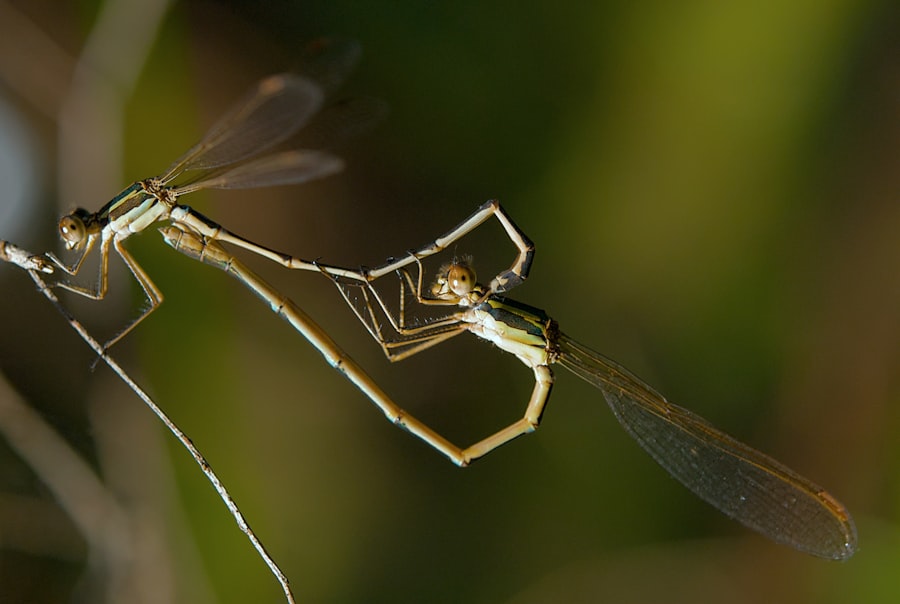
The behavior of the Banded Demoiselle is as captivating as its appearance. Males are known for their territorial nature; they often engage in aerial displays to assert dominance over their chosen territory. These displays can include rapid flight patterns and hovering maneuvers that showcase their vibrant colors to potential mates. Males will also chase away other males that intrude on their territory, ensuring that they have the best chance of attracting females.
Mating typically occurs during the warmer months when conditions are ideal for reproduction. After a successful courtship display, males will grasp females in a unique mating position known as the “wheel.” This position allows for effective sperm transfer and ensures that the female can lay her eggs in suitable locations. After mating, females will deposit their eggs in or near water, where they will eventually hatch into nymphs.
The Banded Demoiselle (Calopteryx splendens) is a striking dragonfly known for its iridescent wings and vibrant colors, often found near freshwater habitats. If you’re interested in learning more about the fascinating world of dragonflies and their ecological importance, you can explore a related article that delves into their behaviors and habitats. This information can enhance your understanding of these beautiful insects and their role in the ecosystem. For further insights, check out this article that provides a broader perspective on the diversity of dragonfly species.
Importance of the Banded Demoiselle in the Ecosystem
| Category | Information |
|---|---|
| Scientific Name | Calopteryx splendens |
| Family | Calopterygidae |
| Order | Odonata |
| Habitat | Streams, rivers, and other freshwater bodies |
| Diet | Small insects |
| Conservation Status | Least Concern |
The Banded Demoiselle plays a vital role in its ecosystem, serving as both predator and prey within its habitat. As nymphs, they feed on small aquatic organisms like algae and other tiny invertebrates, helping to maintain a balanced ecosystem by controlling these populations. Adult Banded Demoiselles continue this role by preying on smaller insects, contributing to the overall health of their environment.
Moreover, these damselflies are an important food source for various birds and other predators. Their presence indicates a healthy aquatic ecosystem, as they are sensitive to pollution and environmental changes. Thus, monitoring Banded Demoiselle populations can provide valuable insights into the health of freshwater habitats.
The Banded Demoiselle (Calopteryx splendens) is a stunning dragonfly known for its iridescent wings and vibrant colors, often found near slow-moving waters. For those interested in learning more about the fascinating behaviors and habitats of this species, a related article can provide deeper insights into their ecological significance and conservation efforts. You can explore this further by visiting this link, which offers valuable information about various aspects of wildlife and their environments.
Threats and Conservation Efforts for the Banded Demoiselle
Despite their resilience, Banded Demoiselles face several threats that could impact their populations. Habitat loss due to urbanization, agricultural expansion, and pollution poses significant risks to their survival. The degradation of water quality can lead to declines in both adult and nymph populations, making it crucial to protect their natural habitats.
Conservation efforts are underway in various regions to safeguard the Banded Demoiselle and its habitat.
Initiatives include habitat restoration projects aimed at improving water quality and re-establishing native vegetation along waterways.
Additionally, public awareness campaigns help educate communities about the importance of preserving these delicate ecosystems. By fostering a greater understanding of the Banded Demoiselle’s role in nature, conservationists hope to inspire action that will benefit both the species and its environment.
How to Spot and Identify the Banded Demoiselle
Spotting a Banded Demoiselle can be an enjoyable challenge for nature enthusiasts. Look for them near slow-moving freshwater bodies during warm months when they are most active. Their vibrant colors make them stand out against green foliage or dark water surfaces. Males are particularly easy to identify due to their striking blue-green bodies and dark wing bands.
When observing these damselflies, pay attention to their flight patterns. They often hover near water or dart quickly from one perch to another. If you see a damselfly with iridescent wings resting on a leaf or rock near water, there’s a good chance it’s a Banded Demoiselle. Females may be more challenging to identify due to their more muted colors but look for lighter bands on their wings as a distinguishing feature.
Tips for Observing and Photographing the Banded Demoiselle
If you’re keen on observing or photographing the Banded Demoiselle, there are several tips that can enhance your experience. First, visit locations known for their populations during peak activity times—typically late spring through summer when they are most visible. Early mornings or late afternoons can be particularly rewarding as these times often see increased activity.
When photographing these damselflies, patience is key. Approach slowly and quietly to avoid startling them. A macro lens can help capture the intricate details of their wings and bodies up close. Consider using natural light for your photos; early morning or late afternoon light can create stunning effects without harsh shadows.
Lastly, respect their habitat by staying on designated paths and avoiding disturbing vegetation near water sources. This not only protects the Banded Demoiselle but also ensures that future generations can enjoy observing these beautiful insects in their natural environment.
In conclusion, the Banded Demoiselle is more than just an attractive insect; it plays an essential role in maintaining ecological balance while providing joy to those who take the time to observe it. By understanding its characteristics, behaviors, and threats, we can better appreciate this remarkable species and contribute to its conservation efforts. Whether you’re out in nature or simply learning from afar, there’s much to admire about this captivating damselfly.
FAQs
What is a Banded Demoiselle (Calopteryx splendens)?
The Banded Demoiselle (Calopteryx splendens) is a species of damselfly belonging to the family Calopterygidae. It is known for its striking metallic blue-green coloration and distinctive banded wings, which give it its name.
Where can Banded Demoiselles be found?
Banded Demoiselles are commonly found in Europe and parts of Asia, particularly in areas with slow-flowing rivers, streams, and canals. They prefer habitats with plenty of vegetation and sunlight.
What do Banded Demoiselles eat?
As nymphs, Banded Demoiselles feed on small aquatic invertebrates such as mosquito larvae and small crustaceans. Once they reach adulthood, they primarily feed on flying insects such as mosquitoes, flies, and small butterflies.
What is the lifespan of a Banded Demoiselle?
The lifespan of a Banded Demoiselle varies depending on environmental factors and predators, but they typically live for around 2-4 weeks as adults. Their nymph stage can last for up to two years before they emerge as adults.
Are Banded Demoiselles endangered?
Banded Demoiselles are not currently considered endangered. However, like many other insect species, they may face threats from habitat loss, pollution, and climate change. Conservation efforts to protect their habitats can help ensure their continued survival.