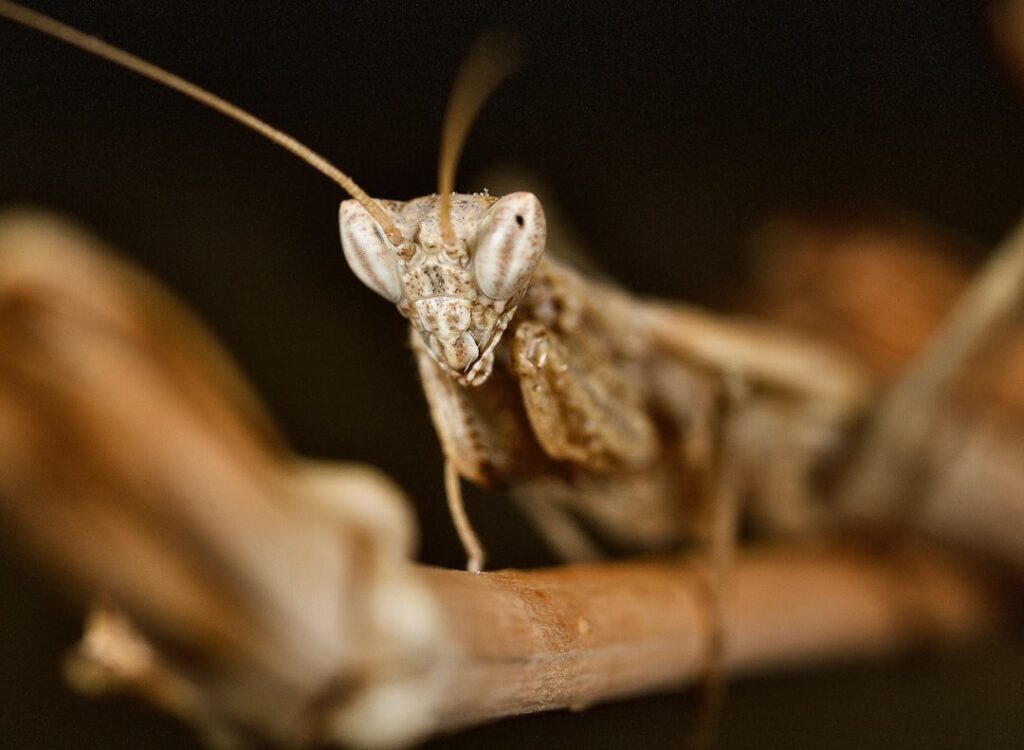
The Enigmatic Ghost Mantis: Phyllocrania paradoxa
The Ghost Mantis, scientifically known as Phyllocrania paradoxa, is a fascinating insect that has captured the attention of entomologists and hobbyists alike. With its unique appearance and intriguing behaviors, this mantis stands out in the world of insects. Native to Africa, particularly in regions like Madagascar and the surrounding areas, the Ghost Mantis is not just another insect; it’s a master of disguise and an expert predator.
What makes the Ghost Mantis particularly interesting is its ability to blend seamlessly into its environment, making it a remarkable example of nature’s ingenuity. This article will delve into the physical characteristics, habitat, feeding habits, reproduction, and even the challenges this species faces in the wild. Whether you’re a budding entomologist or simply curious about this unique creature, there’s plenty to discover about the Ghost Mantis.
The Ghost Mantis (Phyllocrania paradoxa) is a fascinating insect known for its remarkable ability to camouflage itself among leaves and branches, making it a master of disguise in its natural habitat. For those interested in learning more about this intriguing species and its unique adaptations, you can explore a related article that delves into the various aspects of its behavior and environment. To read more, visit this article.
Key Takeaways
- The Ghost Mantis, or Phyllocrania paradoxa, is a fascinating species known for its unique appearance and behavior.
- With its leaf-like body and intricate camouflage, the Ghost Mantis is a master of disguise in its natural habitat.
- These mantises are found in various parts of Africa, including countries like Tanzania, Kenya, and Zimbabwe.
- Ghost Mantises are skilled hunters, using their stealth and agility to capture prey such as flies, crickets, and other small insects.
- As pets, Ghost Mantises require a carefully controlled environment and a diet of live insects, making them a unique and rewarding choice for experienced insect enthusiasts.
Physical Characteristics of Phyllocrania paradoxa
The Ghost Mantis is easily recognizable due to its striking physical features. One of its most notable traits is its leaf-like appearance, which allows it to blend into its surroundings effectively. The body is flattened and elongated, resembling a dried leaf or twig, which is a clever adaptation for evading predators. Its coloration varies from light brown to greenish hues, further enhancing its camouflage capabilities.
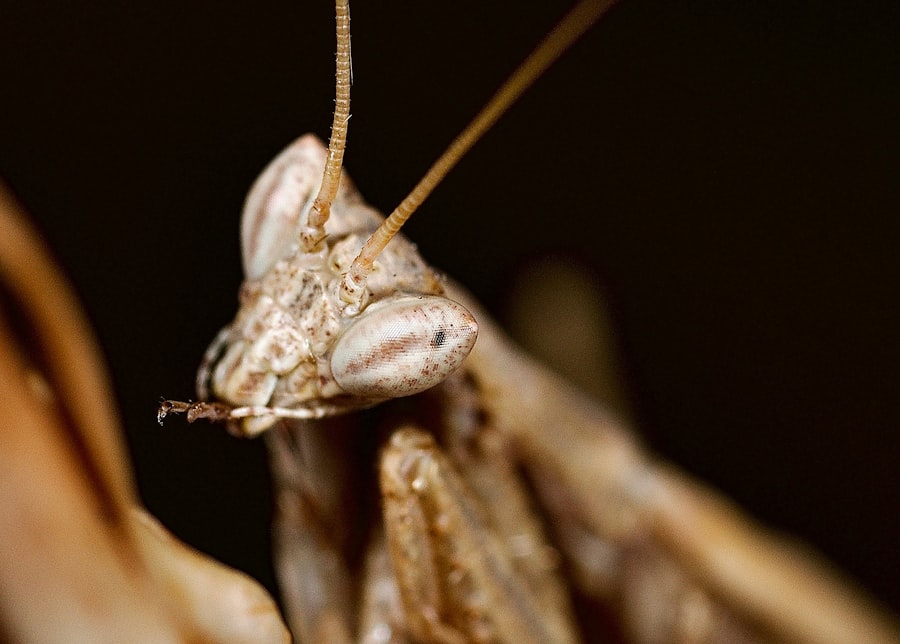
In addition to its body shape and color, the Ghost Mantis has large, expressive eyes that give it a somewhat eerie look. These eyes are not just for show; they provide excellent vision, crucial for spotting prey and potential threats. The limbs of the Ghost Mantis are also uniquely shaped, with spiny protrusions that mimic the texture of leaves.
This combination of features makes it one of the most visually striking mantises in the insect world.
Habitat and Distribution of the Ghost Mantis
Ghost Mantises are primarily found in tropical and subtropical regions of Africa, with Madagascar being their most well-known habitat. They thrive in environments that offer plenty of foliage, such as forests and shrublands, where they can easily hide from both predators and prey. The dense vegetation provides not only camouflage but also a rich hunting ground filled with insects.
Their distribution is not limited to Madagascar; they can also be found in other parts of Africa, including countries like Kenya and Tanzania. However, their populations are often localized, depending on the availability of suitable habitats. As urbanization and deforestation continue to impact these regions, the natural habitats of the Ghost Mantis are increasingly threatened, making their conservation all the more critical.
Feeding and Hunting Behavior
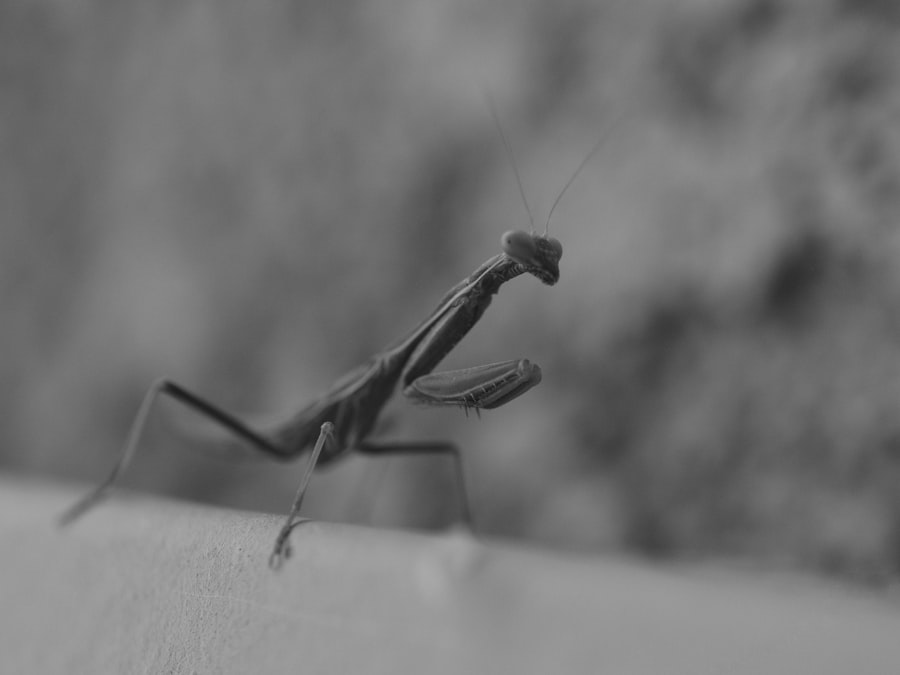
The Ghost Mantis is a carnivorous predator that primarily feeds on small insects. Its hunting strategy is as fascinating as its appearance. Using its exceptional camouflage, it remains motionless for extended periods, waiting for unsuspecting prey to come within striking distance. Once an insect ventures too close, the Ghost Mantis strikes with lightning speed, using its spiny forelegs to capture and immobilize its meal.
This ambush technique is highly effective, allowing the Ghost Mantis to catch a variety of prey, including flies, crickets, and other small insects. Interestingly, they have been observed engaging in a behavior known as “sit-and-wait” predation, where they remain still for long durations before making their move. This method not only conserves energy but also increases their chances of a successful hunt.
The Ghost Mantis (Phyllocrania paradoxa) is a fascinating insect known for its remarkable camouflage, which allows it to blend seamlessly into its surroundings. This unique adaptation not only helps it evade predators but also aids in ambushing prey. If you’re interested in learning more about the intriguing behaviors and habitats of various mantis species, you might find this article on Animal Kingdom particularly insightful. Exploring the diverse world of mantises can deepen your appreciation for these extraordinary creatures and their ecological roles.
Reproduction and Life Cycle of the Ghost Mantis
| Category | Information |
|---|---|
| Scientific Name | Phyllocrania paradoxa |
| Common Name | Ghost Mantis |
| Origin | Sub-Saharan Africa |
| Size | Approximately 2 inches |
| Lifespan | Around 9 months |
| Diet | Insects |
| Behavior | Camouflages as dead leaves or branches |
The reproductive habits of the Ghost Mantis are as intriguing as their hunting techniques. Mating typically occurs after a courtship display where males perform elaborate dances to attract females. Once a female accepts a male’s advances, mating can last several hours. However, this process can be perilous for males; in some cases, females may consume their partners after mating—a behavior known as sexual cannibalism.
After mating, females lay eggs in an ootheca (egg case), which can contain dozens of eggs. These egg cases are often camouflaged to blend in with their surroundings, providing an additional layer of protection against predators. The eggs hatch into nymphs that resemble miniature versions of adults but lack wings. As they grow, they undergo several molts before reaching maturity, typically taking several months to complete their life cycle.
Camouflage and Defensive Mechanisms
One of the most remarkable aspects of the Ghost Mantis is its ability to camouflage itself within its environment. This skill is not just for hunting; it also serves as a vital defense mechanism against predators. By mimicking leaves or twigs, the Ghost Mantis can avoid detection from birds and other potential threats. When threatened, it may remain motionless or adopt a defensive posture that enhances its disguise.
In addition to camouflage, the Ghost Mantis has other defensive strategies. When disturbed, it may display aggressive behaviors such as raising its forelegs or opening its wings to appear larger than it is. This display can deter potential predators by making them think twice about attacking such a formidable-looking creature. These adaptations highlight how evolution has equipped the Ghost Mantis with various tools for survival in a competitive ecosystem.
Keeping Ghost Mantises as Pets
For those interested in keeping exotic pets, the Ghost Mantis can be an intriguing choice. They are relatively easy to care for compared to other exotic insects, making them suitable for both beginners and experienced hobbyists. A well-ventilated enclosure with plenty of foliage mimicking their natural habitat is essential for their well-being. This setup not only provides hiding spots but also encourages natural behaviors.
Feeding them is straightforward; they thrive on a diet of small insects like fruit flies or crickets. It’s important to ensure that the prey is appropriately sized—too large can be overwhelming for these delicate creatures. Regular misting can help maintain humidity levels in their enclosure, which is crucial for their health and molting process. With proper care and attention, keeping a Ghost Mantis can be a rewarding experience that offers insights into the fascinating world of mantises.
Conservation Status and Threats to the Ghost Mantis
Despite their unique adaptations and captivating behaviors, Ghost Mantises face several threats that jeopardize their survival. Habitat loss due to deforestation and urbanization poses significant challenges for their populations. As natural habitats are destroyed or fragmented, these mantises find it increasingly difficult to find food and shelter.
Additionally, climate change impacts their habitats by altering temperature and moisture levels, which can affect their breeding cycles and food availability. While there are currently no specific conservation measures in place solely for the Ghost Mantis, broader efforts aimed at preserving tropical ecosystems can indirectly benefit this species. Raising awareness about their ecological role and promoting conservation initiatives will be crucial in ensuring that future generations can appreciate these remarkable insects.
In conclusion, the Ghost Mantis is more than just an insect; it’s a testament to nature’s creativity and adaptability. From its incredible camouflage to its unique hunting strategies and reproductive behaviors, this mantis offers a glimpse into the complexities of life in the wild. As we continue to learn more about these fascinating creatures, it’s essential to advocate for their conservation and protect their habitats for years to come.
FAQs
What is a Ghost Mantis (Phyllocrania paradoxa)?
The Ghost Mantis, also known by its scientific name Phyllocrania paradoxa, is a species of praying mantis native to Africa. It is known for its unique appearance and behavior, making it a popular choice among insect enthusiasts.
What does a Ghost Mantis look like?
The Ghost Mantis is named for its pale, ghostly appearance. It has a slender body and long, thin legs, with a distinctive leaf-like shape to its wings. Its coloration can range from pale green to brown, allowing it to blend in with its natural habitat.
What is the behavior of a Ghost Mantis?
Ghost Mantises are known for their stealthy hunting behavior. They are ambush predators, using their camouflage to blend in with their surroundings and wait for unsuspecting prey to come within striking distance. They are also known for their unique swaying motion, which helps them mimic the movement of leaves in the wind.
What do Ghost Mantises eat?
Ghost Mantises primarily feed on small insects such as fruit flies, crickets, and other small arthropods. They are adept hunters and use their powerful forelegs to grasp and immobilize their prey before consuming it.
How are Ghost Mantises kept as pets?
Ghost Mantises are popular choices for insect enthusiasts and are relatively easy to care for as pets. They require a well-ventilated enclosure with branches or twigs for climbing and molting, as well as a substrate for egg-laying. They also require a varied diet of live insects and regular misting to maintain humidity levels.