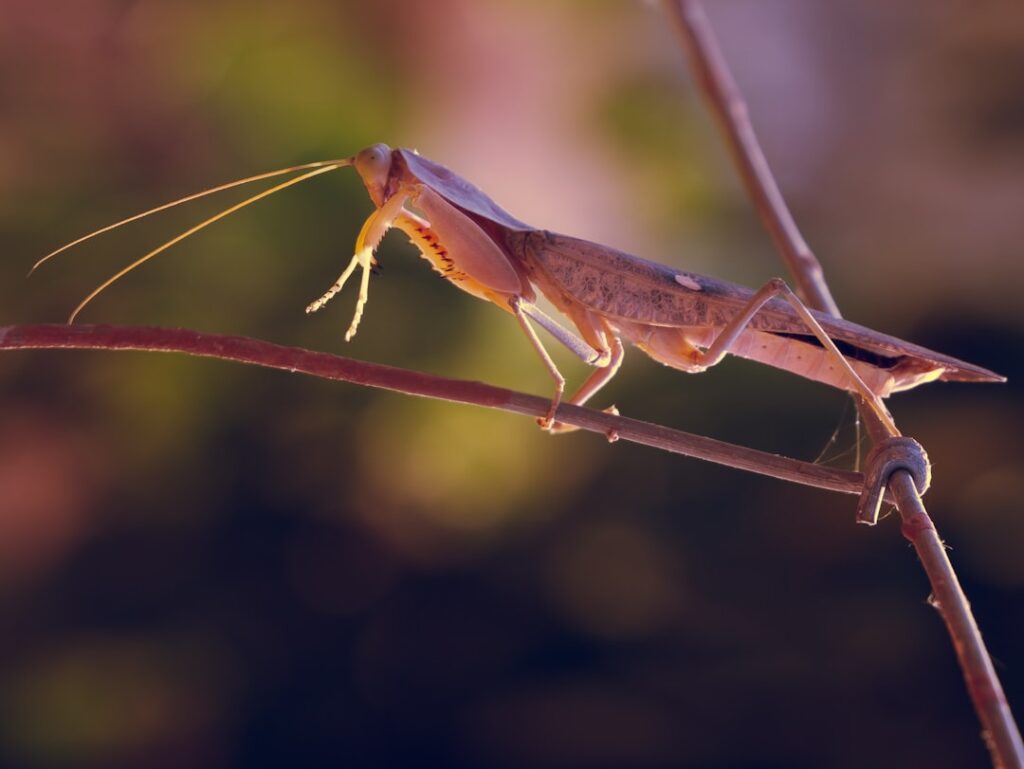
The Fascinating Indian Stick Insect: Carausius morosus
The Indian Stick Insect, scientifically known as Carausius morosus, is a fascinating creature that often captures the attention of both entomologists and casual observers alike. These insects are renowned for their remarkable ability to blend into their surroundings, mimicking twigs and branches with impressive accuracy. This camouflage not only serves as a defense mechanism against predators but also highlights the incredible adaptations that have evolved in this species over time.
Originating from the Indian subcontinent, the Indian Stick Insect has gained popularity in various parts of the world, particularly among insect enthusiasts and hobbyists. Their unique appearance and relatively easy care requirements make them an appealing choice for those interested in keeping exotic pets. In this article, we will delve into the physical characteristics, habitat, feeding habits, and more about Carausius morosus, providing a comprehensive overview of this intriguing insect.
The Indian Stick Insect (Carausius morosus) is a fascinating creature known for its remarkable ability to blend into its surroundings, mimicking twigs and branches to evade predators. For those interested in learning more about the unique adaptations and behaviors of this intriguing insect, you can read a related article that delves into its habitat, diet, and lifecycle. To explore this further, visit this article.
Key Takeaways
- The Indian Stick Insect, also known as Carausius morosus, is a fascinating insect species that belongs to the Phasmatodea order.
- Carausius morosus is known for its remarkable ability to camouflage itself in its environment, thanks to its stick-like appearance and slow movements.
- Indian Stick Insects are native to India and are commonly found in tropical and subtropical regions, where they inhabit shrubs and trees.
- These insects primarily feed on leaves and reproduce through parthenogenesis, a form of asexual reproduction.
- Indian Stick Insects play a crucial role in the ecosystem as they serve as a food source for various predators and contribute to the balance of their natural habitat. Conservation efforts are important to protect their populations and preserve biodiversity.
Physical Characteristics of Carausius morosus
Carausius morosus exhibits a range of physical traits that contribute to its stick-like appearance. Adult individuals can vary significantly in size, typically measuring between 10 to 15 centimeters in length. Their elongated bodies are covered in a rough texture that mimics the bark of trees or the surface of twigs, enhancing their camouflage. The coloration of these insects can range from green to brown, depending on their environment and the specific morph they belong to. This color variation allows them to adapt to different habitats, further aiding in their survival.
In addition to their body shape and color, Indian Stick Insects possess long, slender legs that resemble branches. These legs are not only crucial for maintaining their disguise but also for navigating through their arboreal habitats. Their antennae are long and sensitive, helping them detect changes in their environment. Interestingly, these insects can also regenerate lost limbs, a trait that is particularly useful when evading predators. Overall, the physical characteristics of Carausius morosus are a testament to nature’s ingenuity in crafting survival strategies.
Habitat and Distribution of the Indian Stick Insect
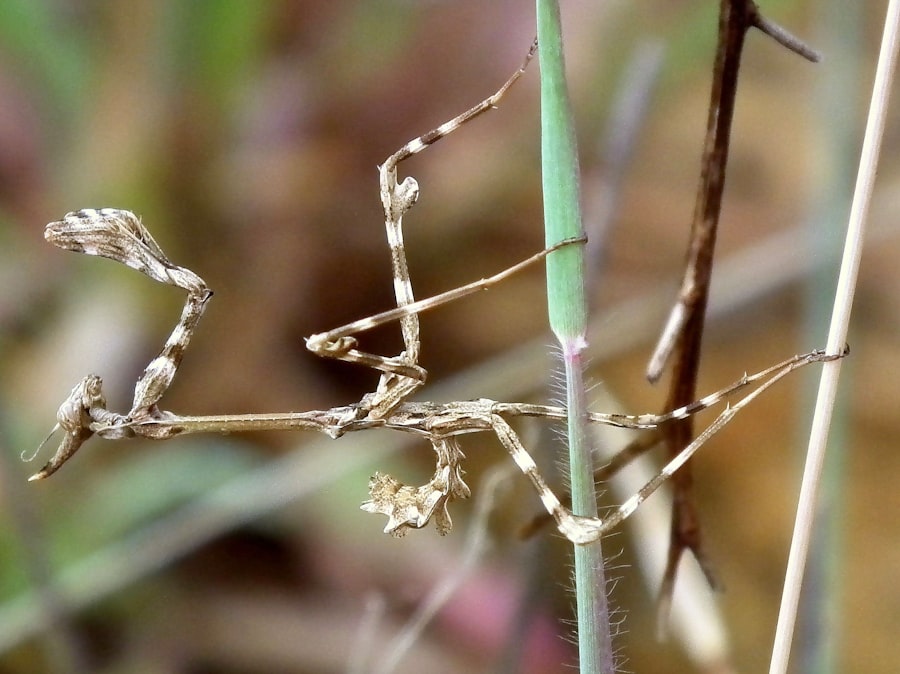
The Indian Stick Insect is primarily found in tropical and subtropical regions of India and surrounding countries. They thrive in dense forests where they can easily blend into the foliage. These insects prefer environments with plenty of vegetation, as it provides both food sources and protection from predators.
The humid climate of their native habitat is ideal for their survival, as it supports the growth of the plants they feed on. In terms of distribution, Carausius morosus has been introduced to various parts of the world due to its popularity in the pet trade. As a result, they can now be found in many countries outside their native range.
However, despite their widespread presence in captivity, they still rely heavily on specific environmental conditions to thrive. Understanding their natural habitat is crucial for anyone considering keeping them as pets or studying their behavior in captivity.
Feeding and Reproduction of Carausius morosus
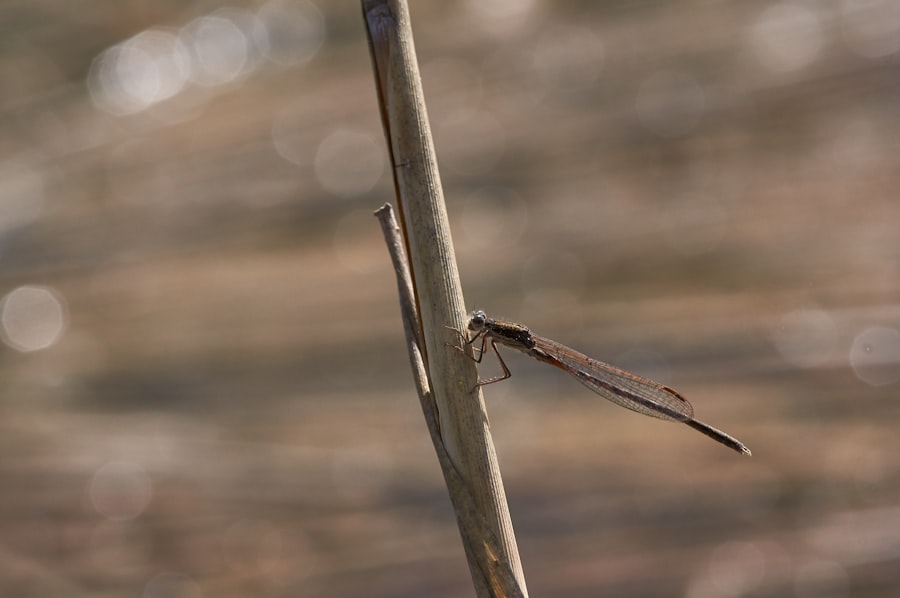
Feeding habits of the Indian Stick Insect are quite straightforward.
They are herbivorous and primarily feed on a variety of leaves, with bramble (blackberry) and oak being among their favorites.
Their feeding strategy involves slowly nibbling on leaves while remaining motionless to avoid detection by predators. This method not only helps them stay hidden but also allows them to consume food without drawing attention to themselves.
Reproduction in Carausius morosus is equally fascinating. These insects can reproduce both sexually and asexually through parthenogenesis, where females can produce offspring without mating with males.
This ability allows populations to thrive even when males are scarce.
The female lays eggs that resemble seeds, which further aids in their camouflage. The eggs are often laid in clusters and can take several months to hatch, depending on environmental conditions. This reproductive strategy ensures that the species can maintain its numbers even in challenging circumstances.
The Indian Stick Insect, scientifically known as Carausius morosus, is a fascinating creature often admired for its remarkable camouflage abilities. These insects can mimic twigs and branches, making them difficult to spot in their natural habitat. For those interested in learning more about the diverse world of stick insects and their unique adaptations, you can explore a related article that delves deeper into their characteristics and behaviors. Check it out here to gain further insights into these incredible insects.
Behavioral Adaptations of the Indian Stick Insect
| Aspect | Information |
|---|---|
| Scientific Name | Carausius morosus |
| Common Name | Indian Stick Insect |
| Origin | India |
| Size | 4-5 inches |
| Lifespan | 1-2 years |
| Diet | Leaves, mainly bramble and ivy |
| Behavior | Nocturnal and herbivorous |
Behavioral adaptations play a significant role in the survival of Carausius morosus. One of the most notable behaviors is their ability to remain motionless for extended periods. This stillness is a key defense mechanism; by not moving, they become nearly indistinguishable from their surroundings. When threatened, they may also adopt a defensive posture by raising their legs or dropping to the ground to further enhance their disguise.
Another interesting behavior is their social interaction during mating rituals. Males often engage in elaborate courtship displays to attract females, which may include gentle tapping or swaying movements. This behavior not only helps ensure successful mating but also reinforces the bond between potential partners. Additionally, these insects exhibit a degree of territoriality, particularly among males during mating season, which can lead to competition for access to females.
The Indian Stick Insect, scientifically known as Carausius morosus, is a fascinating creature often admired for its remarkable camouflage abilities. This insect’s ability to blend seamlessly into its surroundings makes it a popular choice among insect enthusiasts and researchers alike. For those interested in learning more about the unique adaptations and care requirements of this intriguing species, you can read a related article that provides valuable insights. Check it out here to explore the world of the Indian Stick Insect further.
Importance of Carausius morosus in the Ecosystem
Carausius morosus plays a vital role in its ecosystem as both a herbivore and a prey species. By feeding on leaves, these insects contribute to plant health by promoting new growth and helping maintain the balance within their habitat. Their feeding habits can influence plant populations and contribute to the overall biodiversity of their environment.
Moreover, Indian Stick Insects serve as an important food source for various predators, including birds and small mammals. Their ability to camouflage effectively helps them evade many potential threats; however, they still play a crucial role in the food web. By supporting predator populations, Carausius morosus indirectly contributes to maintaining ecological balance within its habitat.
Keeping Indian Stick Insects as Pets
For those interested in keeping Indian Stick Insects as pets, there are several factors to consider. First and foremost is creating an appropriate habitat that mimics their natural environment. A well-ventilated terrarium with plenty of foliage is essential for providing both food and hiding spots. It’s important to maintain humidity levels between 50-70% and ensure that temperatures remain within a comfortable range for these insects.
Feeding your stick insects is relatively simple; providing fresh leaves daily will keep them healthy and happy. It’s also crucial to monitor their growth and molting process, as they will shed their exoskeleton several times throughout their lives. While they are generally low-maintenance pets, it’s essential to keep an eye out for any signs of stress or illness, which can occur if environmental conditions are not optimal.
Conservation Efforts for the Indian Stick Insect
Despite their adaptability and resilience, conservation efforts for Carausius morosus are important due to habitat loss and environmental changes affecting their natural populations. Deforestation and urbanization pose significant threats to their habitats, leading to declines in wild populations. Conservation initiatives aimed at preserving natural habitats are crucial for ensuring the survival of this species.
Additionally, raising awareness about the ecological importance of stick insects can help foster appreciation for these unique creatures. Educational programs that highlight their role in ecosystems may encourage more people to support conservation efforts. By promoting sustainable practices and protecting natural habitats, we can help ensure that Carausius morosus continues to thrive both in the wild and as a beloved pet for enthusiasts around the world.
In conclusion, the Indian Stick Insect is more than just an intriguing pet; it is a remarkable example of nature’s adaptability and resilience. From its physical characteristics to its ecological significance, Carausius morosus offers valuable insights into the complexities of insect life and the importance of conservation efforts in preserving biodiversity. Whether you’re considering keeping one as a pet or simply want to learn more about this fascinating species, understanding its needs and role in the ecosystem is essential for fostering appreciation and respect for these unique insects.
FAQs
What is the Indian Stick Insect (Carausius morosus)?
The Indian Stick Insect, also known as Carausius morosus, is a species of stick insect native to India and Sri Lanka. It is commonly kept as a pet due to its unique appearance and ease of care.
What does the Indian Stick Insect look like?
The Indian Stick Insect has a long, slender body that resembles a stick or twig, allowing it to camouflage itself in its natural habitat. It can range in color from brown to green, and has small, leaf-like appendages on its legs.
What does the Indian Stick Insect eat?
Indian Stick Insects are herbivores and primarily feed on a diet of fresh leaves, such as bramble, rose, oak, and ivy. They are known to be voracious eaters and can consume large quantities of foliage.
How does the Indian Stick Insect reproduce?
The Indian Stick Insect reproduces through parthenogenesis, a form of asexual reproduction where females can produce offspring without mating with a male. This allows for rapid population growth in captivity.
Are Indian Stick Insects easy to care for as pets?
Yes, Indian Stick Insects are relatively easy to care for as pets. They require a simple setup with a secure enclosure, fresh leaves for food, and a warm, humid environment. They are also low maintenance and do not require much handling.