The Enigmatic Giant Prickly Stick Insect: Extatosoma Tiaratum
The Giant Prickly Stick Insect, scientifically known as Extatosoma tiaratum, is a remarkable creature that often captures the curiosity of entomologists and nature enthusiasts alike. Native to Australia, this insect is not just another bug; it’s a fascinating example of nature’s ingenuity in camouflage and adaptation. With its unique appearance and intriguing behaviors, the Giant Prickly Stick Insect stands out in the world of entomology, making it a subject of interest for both scientific study and casual observation.
What makes this insect particularly captivating is its ability to blend seamlessly into its surroundings. Resembling twigs or branches, the Giant Prickly Stick Insect has evolved to avoid predators through its impressive mimicry. This article will delve into the physical characteristics, habitat, feeding habits, and more, providing a comprehensive look at this enigmatic insect.
The Giant Prickly Stick Insect (Extatosoma tiaratum) is a fascinating creature known for its remarkable camouflage and unique appearance. For those interested in learning more about this intriguing insect and its habitat, you can check out a related article that delves deeper into its characteristics and behavior. To explore further, visit this link for comprehensive insights into the world of the Giant Prickly Stick Insect and other fascinating species.
Key Takeaways
- The Giant Prickly Stick Insect, also known as Extatosoma Tiaratum, is a fascinating and enigmatic creature that is often kept as a pet due to its unique appearance and behavior.
- The Extatosoma Tiaratum is characterized by its large size, spiky appearance, and ability to mimic twigs or leaves, making it a master of camouflage in its natural habitat.
- These insects are native to Australia and can be found in a variety of habitats, including forests, woodlands, and urban areas, where they feed on a diet of eucalyptus leaves and other plant matter.
- Giant Prickly Stick Insects reproduce through parthenogenesis, a form of asexual reproduction, and can lay hundreds of eggs at a time, making them relatively easy to breed in captivity.
- When threatened, the Extatosoma Tiaratum displays fascinating behavioral traits and defense mechanisms, such as swaying to mimic a branch in the wind or releasing a foul-smelling substance to deter predators.
Physical Characteristics of the Extatosoma Tiaratum
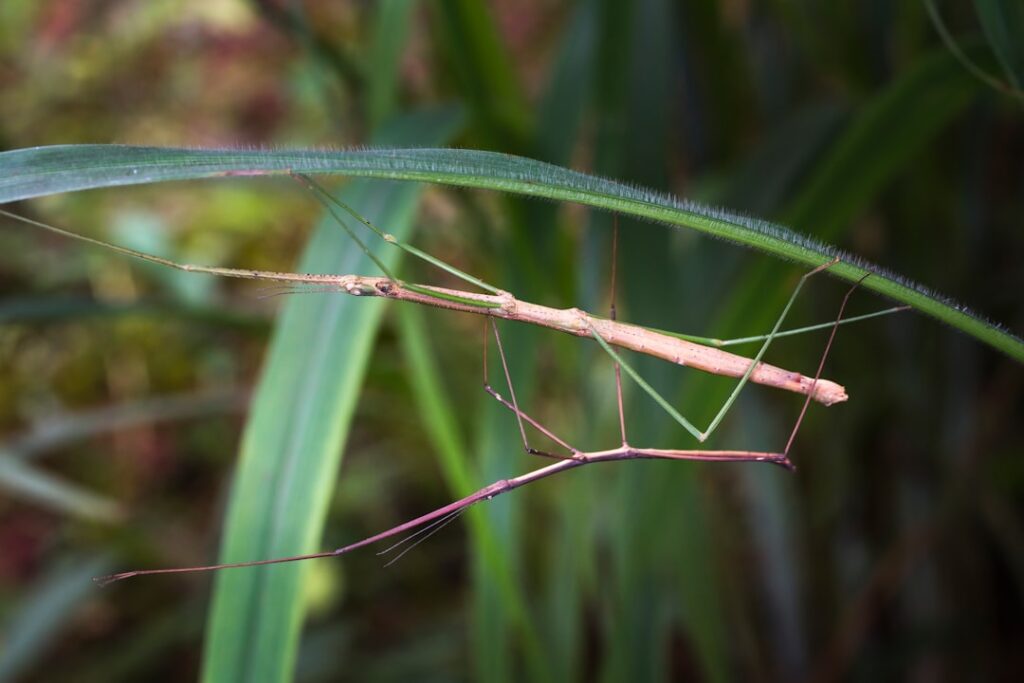
The physical appearance of the Giant Prickly Stick Insect is one of its most striking features. Adult specimens can reach lengths of up to 15 centimeters (about 6 inches), making them one of the largest stick insects in the world. Their bodies are covered in spiny projections and a rough texture that mimics the appearance of bark or twigs. This not only aids in camouflage but also serves as a deterrent against potential predators.
Coloration varies among individuals, with shades ranging from green to brown, allowing them to blend into their natural habitats effectively. The females are typically larger than males and possess a more robust body structure. Males, on the other hand, are generally slimmer and have longer antennae, which they use to navigate their environment. The wings of the male are also more developed, allowing for limited flight, while females are wingless and rely on their excellent camouflage for protection.
Habitat and Distribution of the Giant Prickly Stick Insect
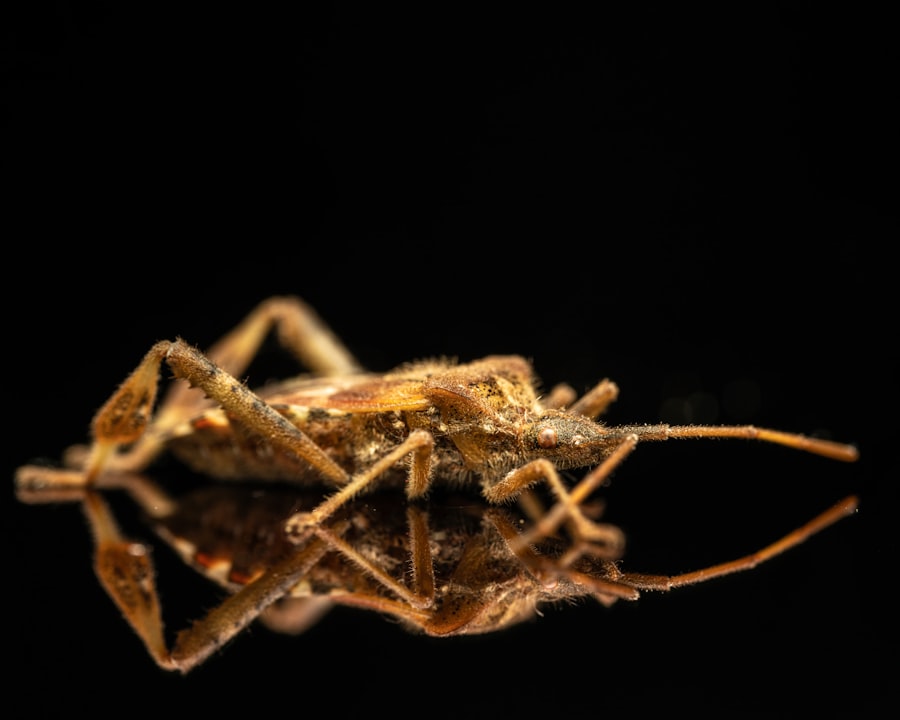
The Giant Prickly Stick Insect is primarily found in the forests and woodlands of eastern Australia. Its preferred habitats include eucalyptus trees, where it can easily blend in with the foliage. These insects thrive in warm, humid environments, which are conducive to their growth and reproduction.
The dense vegetation provides ample food sources and shelter from predators. In terms of distribution, Extatosoma tiaratum is not limited to just one region; it can be found across various states in Australia, including Queensland and New South Wales. However, their populations can vary significantly depending on environmental conditions and habitat availability.
As urbanization continues to encroach on natural habitats, understanding their distribution becomes increasingly important for conservation efforts.
Feeding and Reproduction of the Extatosoma Tiaratum
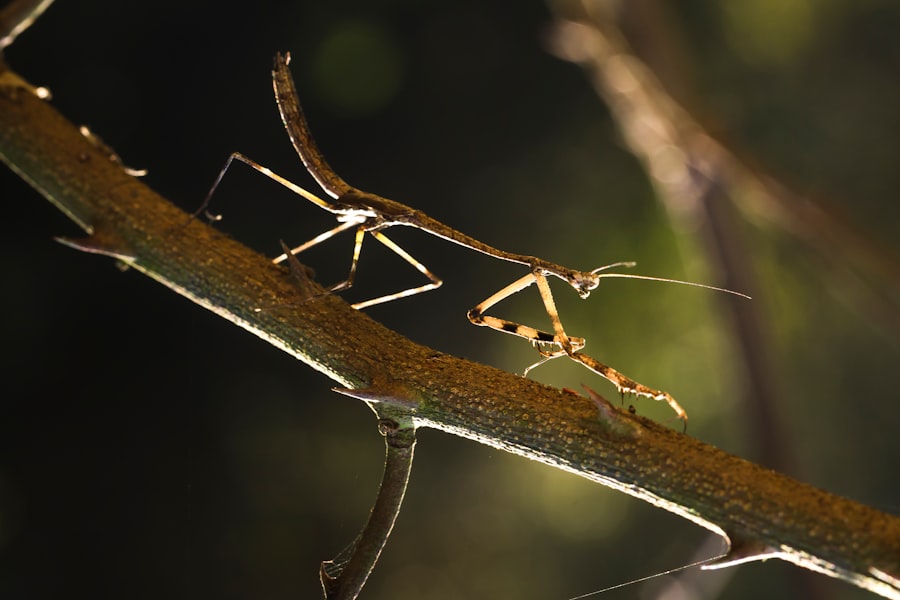
The diet of the Giant Prickly Stick Insect primarily consists of leaves from various plants, with eucalyptus being a favorite. They are herbivorous and have adapted to consume tough foliage that many other insects might find unpalatable. Their feeding habits are quite fascinating; they often remain motionless for long periods while munching on leaves, further enhancing their disguise as part of the plant.
Reproduction in Extatosoma tiaratum is equally intriguing.
Females can lay hundreds of eggs during their lifetime, which they deposit in the soil or among leaf litter.
These eggs are often camouflaged to resemble seeds or small stones, providing an additional layer of protection against predators. The eggs typically hatch after several months, depending on environmental conditions, and the young nymphs emerge looking like miniature versions of their parents.
The Giant Prickly Stick Insect, scientifically known as Extatosoma tiaratum, is a fascinating creature known for its remarkable camouflage and unique appearance. If you’re interested in learning more about the various adaptations and behaviors of this intriguing insect, you can explore a related article that delves deeper into its habitat and lifestyle. For more information, check out this detailed resource that highlights the wonders of the insect world.
Behavioral Traits and Defense Mechanisms of the Giant Prickly Stick Insect
| Aspect | Information |
|---|---|
| Scientific Name | Extatosoma tiaratum |
| Common Name | Giant Prickly Stick Insect |
| Size | Female: 15-20 cm, Male: 10-13 cm |
| Color | Brown, green, or gray |
| Habitat | Forest areas, shrublands, and gardens |
| Diet | Leaves of bramble, oak, and rose plants |
| Behavior | Nocturnal, herbivorous, and camouflages as a stick or leaf |
Behaviorally, the Giant Prickly Stick Insect exhibits several traits that enhance its survival. One notable behavior is its ability to remain motionless for extended periods, which helps it avoid detection by predators. When threatened, these insects may sway gently back and forth, mimicking the movement of twigs in the wind—a clever tactic that can confuse potential threats.
In terms of defense mechanisms, their primary strategy is camouflage. However, if they are discovered by a predator, they can also employ a few other tactics. Some individuals may drop to the ground and remain still, while others may release a foul-smelling substance from their bodies to deter attackers. This combination of strategies makes them quite adept at surviving in a world filled with potential dangers.
The Giant Prickly Stick Insect, known scientifically as Extatosoma tiaratum, is a fascinating creature that captivates many insect enthusiasts with its unique appearance and behavior. If you’re interested in learning more about the diverse world of stick insects and their adaptations, you might find this related article insightful. For further exploration of these remarkable insects, you can check out the details in this article which highlights their habitat, diet, and the role they play in their ecosystems.
Conservation Status and Threats to the Extatosoma Tiaratum
The conservation status of the Giant Prickly Stick Insect is currently not classified as endangered; however, it faces several threats that could impact its populations in the future. Habitat loss due to urban development and deforestation poses a significant risk to their natural environments. As more land is cleared for agriculture or housing, these insects lose their homes and food sources.
Additionally, climate change presents another challenge for Extatosoma tiaratum. Changes in temperature and precipitation patterns can affect their habitats and food availability. While they are currently thriving in some areas, ongoing environmental changes could lead to declines in their populations if suitable habitats become scarce.
Captivity and Care of the Giant Prickly Stick Insect
Keeping Giant Prickly Stick Insects in captivity can be a rewarding experience for enthusiasts and educators alike. They are relatively easy to care for compared to other exotic pets, but there are specific requirements to ensure their well-being. A spacious enclosure with plenty of vertical space is essential since these insects enjoy climbing.
Feeding them is straightforward; providing fresh eucalyptus leaves or other suitable foliage will keep them healthy. It’s important to ensure that the leaves are pesticide-free to avoid harming these delicate creatures. Regular misting of the enclosure helps maintain humidity levels, which is crucial for their health and molting process.
When it comes to breeding in captivity, it’s essential to house males and females together while ensuring there’s enough space for them to avoid stress. Observing their mating rituals can be fascinating; males often engage in courtship displays that involve gentle movements and pheromone release.
Fascinating Facts and Myths Surrounding the Extatosoma Tiaratum
The Giant Prickly Stick Insect is surrounded by a variety of fascinating facts and myths that add to its allure. One interesting fact is that these insects can regenerate lost limbs during molting—a remarkable ability that showcases nature’s resilience. This regeneration process allows them to recover from encounters with predators or accidents.
Myths about these insects often stem from their unusual appearance. Some cultures believe that seeing a stick insect brings good luck or signifies a change in fortune. Others may view them as omens due to their unique looks and behaviors. Regardless of these beliefs, what remains clear is that the Giant Prickly Stick Insect continues to intrigue people around the world with its remarkable adaptations and behaviors.
In conclusion, the Extatosoma tiaratum is more than just an insect; it’s a testament to nature’s creativity and adaptability. From its impressive camouflage to its fascinating life cycle, this giant prickly stick insect offers endless opportunities for exploration and learning. Whether you’re an entomologist or simply someone who appreciates the wonders of nature, there’s no denying that this insect holds a special place in our understanding of biodiversity and ecological balance.
FAQs
What is the Giant Prickly Stick Insect (Extatosoma tiaratum)?
The Giant Prickly Stick Insect, also known as Extatosoma tiaratum, is a species of stick insect native to Australia. It is known for its large size and distinctive appearance, with spiky protrusions on its body that resemble thorns.
What does the Giant Prickly Stick Insect eat?
Giant Prickly Stick Insects are herbivores and primarily feed on leaves from a variety of plants, including eucalyptus, bramble, and rose. In captivity, they can be fed a diet of fresh leaves from these plants.
How big do Giant Prickly Stick Insects grow?
Giant Prickly Stick Insects are one of the largest species of stick insects, with adult females reaching lengths of up to 15 centimeters (6 inches) and males reaching lengths of up to 10 centimeters (4 inches).
Are Giant Prickly Stick Insects good pets?
Giant Prickly Stick Insects are popular as pets due to their unique appearance and low maintenance requirements. They are relatively easy to care for and can be kept in a suitable enclosure with fresh leaves for food.
Are Giant Prickly Stick Insects endangered?
Giant Prickly Stick Insects are not considered endangered and are relatively common in their native habitat of Australia. However, habitat loss and environmental changes can pose threats to their populations in the wild.