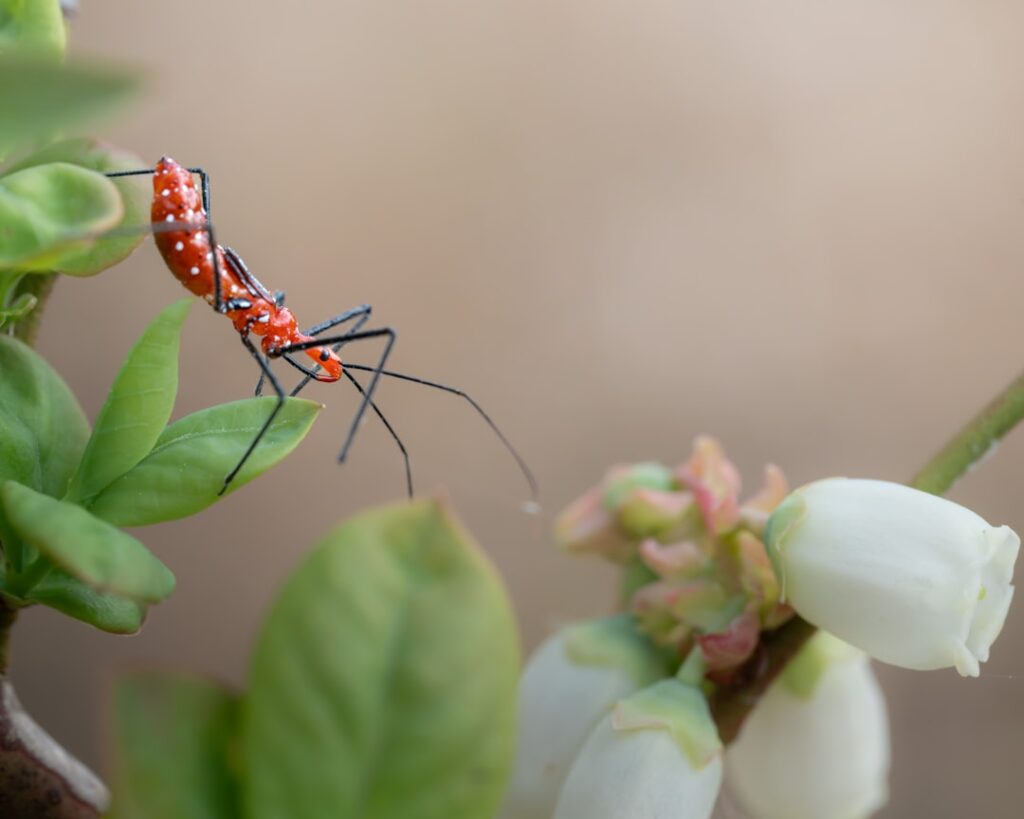
The Lethal Assassin Bug: Rhinocoris iracundus
The Rhinocoris iracundus, commonly known as the lethal assassin bug, is a fascinating yet often misunderstood insect. Found primarily in tropical and subtropical regions, this bug is notorious for its predatory nature and striking appearance. While it may not be the most well-known insect, its role in the ecosystem and its interactions with other species make it a subject of interest for entomologists and nature enthusiasts alike. Understanding this bug is crucial, not just for academic purposes but also for appreciating the delicate balance of our ecosystems.
The lethal assassin bug is part of the Reduviidae family, which includes a variety of predatory insects. Its name reflects its hunting prowess, as it employs a unique method to capture and consume its prey. This article will delve into the physical characteristics, habitat, feeding habits, reproduction, interactions with humans, conservation status, and ongoing research related to Rhinocoris iracundus. By exploring these aspects, we can gain a deeper appreciation for this remarkable insect and the role it plays in our world.
The Assassin Bug (Rhinocoris iracundus) is a fascinating predator known for its unique hunting techniques and striking appearance. For those interested in learning more about this intriguing insect and its role in the ecosystem, you can explore a related article that delves into its behavior and habitat. To read more, visit this article.
Key Takeaways
- Rhinocoris iracundus is a lethal assassin bug known for its predatory behavior and feeding habits.
- This species is characterized by its brown coloration, long legs, and distinct rhinoceros-like horn on its head, and it is commonly found in dry and arid habitats.
- Rhinocoris iracundus preys on a variety of insects, using its sharp proboscis to inject venom and digestive enzymes into its prey before sucking out the liquefied insides.
- The life cycle of Rhinocoris iracundus involves egg, nymph, and adult stages, with mating and reproduction occurring in the warmer months.
- Interactions with humans can result in painful bites and potential allergic reactions, making it important to understand and protect against the potential risks associated with this lethal assassin bug.
Physical Characteristics and Habitat of Rhinocoris iracundus
Rhinocoris iracundus is easily identifiable due to its distinctive physical features. Typically, these bugs exhibit a robust body that can reach lengths of up to 3 centimeters. Their coloration varies from dark brown to black, often adorned with striking red or orange markings that serve as a warning to potential predators. The elongated head is equipped with specialized mouthparts known as proboscis, which they use to pierce the exoskeleton of their prey. This adaptation not only aids in feeding but also enhances their predatory efficiency.
In terms of habitat, Rhinocoris iracundus prefers warm environments where it can thrive. They are commonly found in gardens, forests, and grasslands, often hiding under leaves or within crevices during the day. These bugs are particularly attracted to areas with abundant insect populations, as this provides ample food sources. Their ability to camouflage themselves among foliage helps them avoid detection by both prey and predators alike. Understanding their habitat preferences is essential for conservation efforts and for those interested in observing these intriguing insects in their natural settings.
Feeding Habits and Predatory Behavior of Rhinocoris iracundus
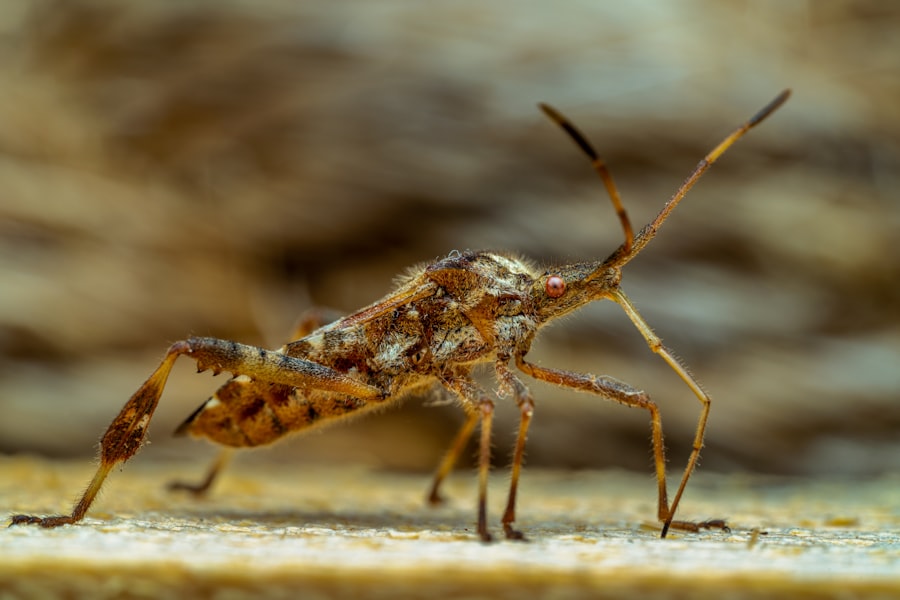
The feeding habits of Rhinocoris iracundus are a testament to their predatory nature. These bugs are primarily insectivorous, preying on a variety of smaller insects such as aphids, caterpillars, and other soft-bodied arthropods. Their hunting strategy involves stealth and patience; they often lie in wait for unsuspecting prey to come within striking distance.
Once an opportunity arises, they use their sharp proboscis to inject digestive enzymes into their prey, effectively liquefying the insides before sucking them out. This predatory behavior not only highlights their role as natural pest controllers but also showcases their adaptability in various environments. Rhinocoris iracundus can adjust their hunting techniques based on the type of prey available and the surrounding conditions.
For instance, in areas with high insect diversity, they may employ a more aggressive approach, while in less populated regions, they might adopt a more cautious strategy. This flexibility in feeding habits allows them to thrive in different ecosystems.
Reproduction and Life Cycle of Rhinocoris iracundus
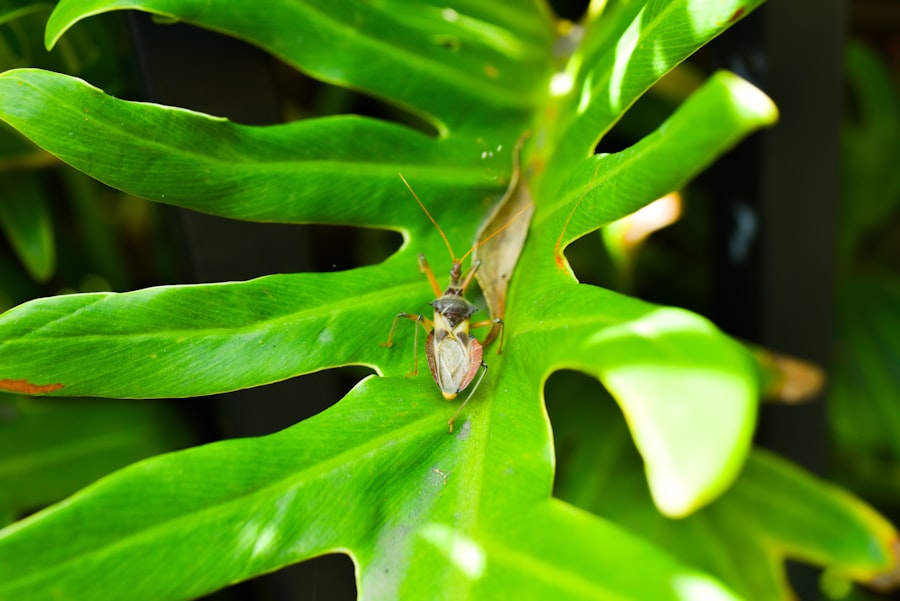
The reproductive cycle of Rhinocoris iracundus is equally intriguing. Mating typically occurs during warmer months when environmental conditions are favorable. After mating, females lay eggs in clusters on the undersides of leaves or within crevices to protect them from predators. The eggs are small and often resemble tiny grains of rice, making them relatively inconspicuous.
Once the eggs hatch, the nymphs emerge and begin their journey toward adulthood. The nymphs go through several molts before reaching maturity, each stage marked by distinct physical changes. During this time, they are voracious feeders, consuming a variety of insects to fuel their growth. The entire life cycle from egg to adult can take several weeks to months, depending on environmental factors such as temperature and food availability. Understanding this life cycle is crucial for researchers studying population dynamics and ecological interactions.
The Assassin Bug, specifically Rhinocoris iracundus, is a fascinating insect known for its predatory behavior and unique appearance. If you’re interested in learning more about the diverse world of insects and their ecological roles, you might find this related article on Animal Kingdom particularly insightful. It explores various species and their adaptations, shedding light on the intricate relationships within ecosystems.
Interactions with Humans and Potential Risks
| Category | Details |
|---|---|
| Scientific Name | Rhinocoris iracundus |
| Family | Reduviidae |
| Habitat | Grasslands, shrublands, and forests |
| Diet | Small insects and other arthropods |
| Size | Around 15-20 mm in length |
While Rhinocoris iracundus plays an essential role in controlling pest populations, its interactions with humans can sometimes lead to misunderstandings. These bugs are not aggressive towards humans; however, they can deliver a painful bite if provoked or handled carelessly. The bite is not venomous but can cause localized swelling and discomfort. This has led to some negative perceptions about the species among those unfamiliar with its ecological importance.
In agricultural settings, farmers may view these bugs as beneficial allies due to their predatory habits.
They help keep pest populations in check without the need for chemical pesticides, promoting a more sustainable approach to farming.
However, educating the public about their role in pest control is vital to mitigate fear and encourage coexistence. By fostering a better understanding of Rhinocoris iracundus, we can appreciate its contributions while minimizing potential risks.
Conservation Status and Threats to Rhinocoris iracundus
The conservation status of Rhinocoris iracundus is an area of growing concern among entomologists and conservationists. While specific data on their population trends is limited, habitat loss due to urbanization and agricultural expansion poses significant threats to their survival. As natural habitats are destroyed or altered, the delicate balance of ecosystems is disrupted, impacting not only Rhinocoris iracundus but also countless other species that share their environment.
Additionally, climate change presents another challenge for this species. Fluctuating temperatures and changing precipitation patterns can affect their breeding cycles and food availability. As temperatures rise, suitable habitats may shift or diminish altogether, forcing these bugs to adapt or face decline. Conservation efforts aimed at preserving natural habitats and promoting biodiversity are crucial for ensuring the survival of Rhinocoris iracundus and other beneficial insects.
Research and Study of Rhinocoris iracundus
Research on Rhinocoris iracundus has gained momentum in recent years as scientists seek to understand its ecological role better. Studies have focused on its feeding behavior, reproductive strategies, and interactions within ecosystems. By examining these aspects, researchers aim to uncover insights into how this species contributes to pest control and overall biodiversity.
Field studies often involve observing Rhinocoris iracundus in various habitats to assess their population dynamics and predation rates. Laboratory experiments may also be conducted to analyze their feeding preferences and reproductive success under controlled conditions. This research not only enhances our understanding of this particular species but also contributes to broader ecological knowledge that can inform conservation strategies.
The Importance of Understanding and Protecting Rhinocoris iracundus
In conclusion, Rhinocoris iracundus is more than just a lethal assassin bug; it is a vital component of our ecosystems that deserves attention and protection. Its unique physical characteristics, predatory behavior, and interactions with humans highlight its importance in maintaining ecological balance.
As we face increasing environmental challenges such as habitat loss and climate change, understanding species like Rhinocoris iracundus becomes even more critical.
By fostering awareness about this insect’s role in pest control and promoting conservation efforts, we can help ensure its survival for future generations. Protecting Rhinocoris iracundus not only benefits the species itself but also supports the health of ecosystems that rely on diverse insect populations. Ultimately, our understanding and appreciation of such creatures can lead to more sustainable practices that benefit both nature and humanity.
FAQs
What is an Assassin Bug (Rhinocoris iracundus)?
An Assassin Bug (Rhinocoris iracundus) is a species of predatory insect belonging to the Reduviidae family. They are known for their stealthy hunting behavior and their ability to ambush and feed on other insects.
What does an Assassin Bug (Rhinocoris iracundus) look like?
Assassin Bugs are typically brown or black in color and have a slender, elongated body with long legs. They have a distinctive long, narrow head with a curved beak used for piercing and sucking the fluids from their prey.
Where can Assassin Bugs (Rhinocoris iracundus) be found?
Assassin Bugs are commonly found in various habitats such as forests, grasslands, and gardens. They are distributed across Europe, Asia, and North Africa.
What do Assassin Bugs (Rhinocoris iracundus) eat?
Assassin Bugs are predatory insects that primarily feed on other insects such as caterpillars, beetles, and aphids. They use their sharp beak to inject enzymes into their prey and then suck out the liquefied tissues.
Are Assassin Bugs (Rhinocoris iracundus) harmful to humans?
Assassin Bugs are not known to be harmful to humans unless provoked or handled. However, they are capable of delivering a painful bite if they feel threatened, so it is best to avoid direct contact with them.